Who Are You Writing For? Yourself or Your Readers? Be Honest.

There’s a lot of fear in a writer’s heart. Lots of it. Am I good/smart/brave/pretty/handsome/wistful/*insert adjective here* enough to be a writer? Am I writing books people want to read?

I see this all the time. The fear. The agony of publishing. The waiting on pins and needles for reviews to start coming in. If they do. Then we have to wonder, is a bad review better than no review? Bad reviews mean that someone read my book, right? Or *gulp* tried to.

I have to admit, I see this stuff and I go wwwwwhhhhhhyyyyyyy?

Why_

There shouldn’t have to be this crippling anxiety when you write and publish a book. Not if you do it right. What do I mean by right? Well, I have some ideas.

The first and foremost is be honest who you’re writing for. Are you writing for yourself? Because if you are, then you have no justification to piss and moan when someone doesn’t read your book or want to read your book. Because after all, you wrote it for yourself so what do you care if no one else is reading it? So, be honest. I find that with a lot of indie myths floating around out there that this isn’t so easy. Some of my favorite indie myths? Indie myths

  1. Build it and they will come.
    This is the stupidest thing I ever heard. Your book is not a sports stadium. (And even sports stadiums are built with specifications. Could you image a stadium built with no bathrooms because the owner didn’t want to pay to put them in?) No one is going to find you unless you push your book out there. Even publishing houses make you do most if not all of the marketing for your book yourself. If you’re an indie, this means contacting book bloggers, paying for ads, hosting events on your FB author page. Setting up your own signings at bookstores. How does this fit in with writing for yourself? You can write what you want all day long, but if you’re writing what no one wants to read, why bother?
  2. Writing to market is a cop-out.
    I love this one the most. Do you know what writing to market even means? My friend Holly put it like this: Writing to market isn’t being a sell-out. Writing to market is writing what people like to read. That’s it. It’s not any harder than that. So what does that entail significantly? Knowing your genre. What tropes are used? What kind of characters are in that genre? It can even come down to how many pages does a book in that genre typically have? Know the genre. It’s why your reader picked up your book in the first place.
  3. Experimenting is okay/write what you love/it’s your book.
    I agree up to a point. You have to experiment to find your voice. You have to love what you’re writing because this is your hobby, this is your passion, and if you hate it, you might as well go to work instead and hate it there and get paid for it, too. And it is your book. Absolutely. The choice of genre and POV is in your hands. But you have to stay within the confines of the genre you choose. I don’t know how many more times I can say it. And if, for God’s sake, you have to experiment with a medieval Zombie sex plot, no one is saying you have to publish the *insert derogatory adjective here* thing.
  4. And the worst indie myth of all:
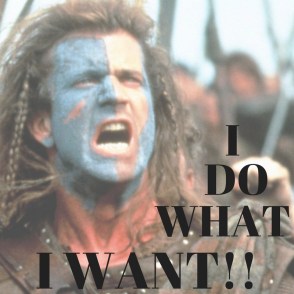
    I DO WHAT I WANT
  5. I’m an indie and I can do/write/publish what I want.
    This is hurtful for so many reasons. One, because what you do affects all of us. You know that saying “one rotten apple poisons the barrel?” It’s true. Indie publishing already has a bad enough reputation, do we need to add to it by publishing whatever crap you decide to write? You hurt me, and I hurt you. And if you think I’m full of crap, think again. Another reason this hurts is because you are hurting yourself on a personal level. One crap book and your reputation is on the line. Readers remember you. Don’t think they don’t. I have a list of readers I don’t like, both indie and trad-pubbed, and you know what? I don’t buy their books. Easy-peasy.

So what does all this have to do with the fear I was talking about earlier? Well, I’m willing to guess and say, if you follow the rules (yep, I went there) and produce a good book, you may find that the idea of people reading your book won’t scare you as much as it did.

What are these blasphemous rules I speak of?

  1. Know the genre you’re writing in. When a publishing professional asks, If you were to put your book on a shelf in a bookstore, where would you put it? That’s a serious question. We all dream of being in a bookstore, and I don’t think that means being in the back room because the manager hasn’t got a fucking clue where to put your book. Follow the tropes and expectations of that genre.
  2. Get the thing edited. I don’t care by who. Just do it. You have a typo on the first page, and it can be something as simple as using a period in dialogue when it should have been a comma, you lost me. And probably about 100 other readers who were interested. They aren’t anymore.
    And if this is your first book and you have no idea what you’re doing? Get a developmental editor, too. Your plot needs to move, your characters need to grow. If you have trouble crafting a good plot (ie no plot holes) and your characters are flat out boring, don’t publish.
  3. Have a cover that matches your genre. Seems like a no-brainer, but it’s amazing how many authors do what they want with no sense of what is going on in their genre. This could be because they don’t have a genre, and well, that sucks. No genre, no cover, no bookshelf space, no book. It takes two seconds to Google the hot 100 on Amazon in your genre. If your cover looks like a sweet romance, but you wrote erotica, you’ll piss off a lot of people. And you know that means? Bad reviews.
  4. Write a decent blurb.

If you do all these, and yeah, it takes work, time, and money, and you publish the best book you can, there is no reason why you should be scared people will read your book.

Let me tell you a little story.
A someone told me they were petrified people were going to find and read their book. This puzzled me, as they published the darn thing–they should want someone to read it. Naturally, I looked them up on Amazon. The cover was okay; it prepped me for a chick-lit plot with some naughty bits. Can’t beat comedy and sex. The blurb sucked, but well, writing them is hard, so I gave them a pass. Their author bio was written first person, a no-no, but well, I guess some people don’t know that. I used the look inside feature that Amazon has so graciously set up for us so we don’t waste money, and I found the book was a mess. Their cover didn’t match the serious tone of the book, the formatting was horrible, and it was evident from the first paragraph they didn’t have an editor. They’re scared people are going to find their book? They should be.

There are things you can do to control the quality of your book. Find an editor/critique partner/beta reader who will teach you things, not just blow smoke up your bum. Read craft books. Go to writing conferences and have your first pages critiqued. Read in your genre. For the love of God, choose a genre. It makes writing a lot easier, trust me. And after you hit publish, you did it. Own it.

And seriously. If you are writing for yourself, when you’re done, print it out and shove it under the bed. Maybe the monster under there can edit it for you.

Am I too harsh?

Tell me what you think!

Vania Blog Signature

What Draws a Person to Buy Your Book: A VERY Scientific Poll and Results

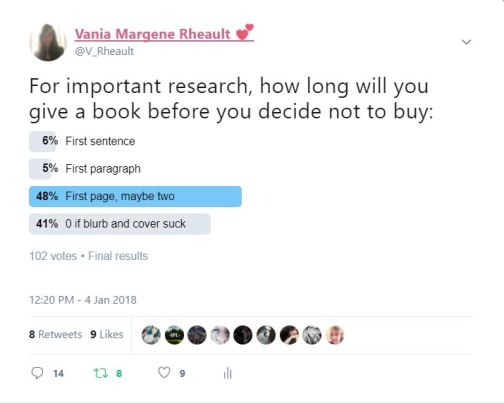
Your first pages do a lot of work for your book, and this blog post was going to talk all about it. This very scientific poll I ran on Twitter was going to lead the way. But it bought up way more than just first pages, and this post turned into an overall-type thing. I’ve always enjoyed knowing how others make decisions, and here’s a small idea of what attracts readers to your book.

twitter poll

What I found was that some people are really brutal with a book. You get the first sentence with some, others, maybe the first paragraph. That’s it–if your potential reader even gets that far.

If you have a typo anywhere, forget it. I have little patience for typos. I’m starting to feel quite agent-y about the whole book-buying thing. All it takes is one little nope, and I’m done.

this-is-the-cutest-nope-ever-5457814

I would imagine though, that if an author knew how many readers s/he was losing due to a small error, it wouldn’t seem so cute.

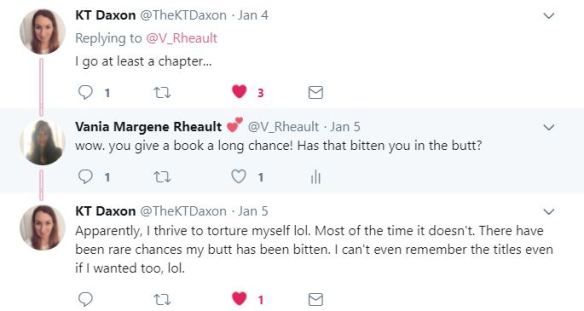
The picture above was just a poll, but there were a lot of comments, too:

first lines twitter poll 7

This is a great thing to keep in mind. Your writing style won’t hit home with everyone. I dislike first person present. There is only one author I will read who writes that way. I’ve turned down beta requests and review requests because of this. I might as well be reading something like, right?

first lines twitter poll 5

Reviews were one aspect of the whole thing that I didn’t consider. Mainly because I don’t look at reviews unless it’s a non-fiction book. Taste is subjective, and unless the reviews say it’s poorly edited, I don’t think someone’s opinion would have much weight with me. And I would know if it’s poorly edited by reading the first couple paragraphs.

first lines twitter poll 3

Liking the blurb makes sense–if that is poorly written, there’s a good chance the book will be too. But blur-writing is a skill in itself, and you need to either pay someone who has the skill to do it or learn it yourself.

first lines twitter poll 8JPG

Being swept away by a book is the best sign. If you’re reading on Amazon and you run out of the free sample and you want more . . . that’s the goal of every author right? Because it’s not such a long stretch from being sad the sample has run out to clicking the buy button.

first lines twitter poll 6

Some people give their books way too much of a chance–and I think this happens when someone has already bought the book and doesn’t want their money to go to waste. That’s one thing you have to watch out for when buying indie books from Writer Twitter. We’re all friends, but just because that person is a friend, that doesn’t mean what they’ve written is any good. It’s an unfortunate fact that some of your friends will publish crap. Be it because they can’t afford hire an editor, or didn’t want to take the time, didn’t take the time to have beta readers weigh in on their book, or because they don’t do anything in their non-writing time to get better, (reading craft books, reading other fiction) sometimes you just can’t trust the people you know are good writers (or know how to format correctly, either).

first lines twitter poll 4

While I was thinking of mainly indie books, Jamie brings up a good point. Trad-pubbed authors don’t control the book cover or the blurb. If you’re turned off by those two things, you won’t make it to the inside. Although, if you are trad-pubbed and have a little marketing power behind you, maybe a high number of good reviews or positive word of mouth would counteract a cover you don’t like and a blurb that sounds boring.

first lines twitter poll 2

Leanne brings up the book’s title, something else I didn’t think of, at least for this poll. I’ve lamented in the past about my title for On the Corner of 1700 Hamilton. I loved it then, not so much now. I don’t think the title has helped sales. *Laughs* But I bought the ISBN number for it so to retitle it I would have to trash the number, and that’s a waste of money. But anyway, to get back to Leanne, she likes the title and the cover.
If you want to laugh at some, look here.

first lines twitter poll 1

And last, but not least, Laurie likes the blurb as do most of us.

This poll surprised me, but it shouldn’t have because it’s a no-brainer to have a decent cover and a good blurb. But taste is subjective, and what you like for your own book may not be the best for your genre or your book’s content, so it’s always a good idea to research what is selling in your genre and try to fit in and stand out at the same time. Got it? Good. 😛

If you have a poor cover, some won’t bother with you at all. If you have poorly written-blurb, that’s probably a good indication the inside isn’t written well either, and potential readers will pass you by.

Publishing is a cutthroat industry; readers don’t have time for your poorly written book.

So, what makes a reader buy your book?

  1. A good cover. Something that fits within your genre.
  2. A good title.
  3. A good blurb. Hire someone. Learn how to do it and get honest feedback from people you trust.
  4.  Have awesome first pages.
  5. Format it correctly. Your book could have won the Pulitzer, but if you leave the automatic 8 pt. space between paragraphs, I’m not reading you. Simple as that.
  6. Decent reviews won’t hurt. At least one five star review so when you tweet the link to your book the five stars will pop in the tweet. I’m kidding. Kind of.

I rarely tweet my own books, but this is what it looks like:

never tweet my own books

Might not help if someone found your book on Amazon, but if you tweet it now and then, it can’t hurt.

This blog post was going to be about first pages, but I wanted to feature my Twitter poll, so I’ll write about first pages another day.

Thanks for reading, and tell me what you think!

Vania Blog Signature


I’m Going to be a Bad, Bad, Girl . . .

Since I’ve already gotten all my presents from Santa, I’m going to be a little naughty in 2018. I’m going to be decadent, give in to my desires.

book-2899636_1920

I’m going to go against everything I’ve ever preached on this blog.

I’m going to genre-hop.

I know. I’m sorry. There are so many reasons not to do this, and I’m going to disregard every single one. If you don’t know what they are, let me give you a short run down . . .

  1. You can’t build an audience that way.
    When you’re an indie, you need to focus all your energy on writing and finding your readers. You can’t do that when you’re skipping around genres. Write one genre, focus your time on getting books out there. Eventually, you will be known for writing that genre and your readers will find you through advertising, consistent content. You’ll become known on social media as a writer for that genre. I’m not saying you can’t ever write something else, but if you’re a new writer and looking for readers, genre-hopping is the fastest way to waste time.
  2. You don’t have anywhere to concentrate your energy on social media.
    Maybe, if you’re like me, and you write romance, you follow other romance writers, you follow book bloggers who blog romance, agents who rep romance. You’re networking with that genre. So, how easy do you think it would to turn around and decide you’re going to write horror? It’s not easy. There are writers who set up different twitter accounts, do this that and the other thing, and pretty soon, they aren’t writing. They’re doing social media maintenance all the time. It’s not productive.
  3. This goes with number two. If you genre-hop, you may decide to write under a pen name. Pen names need new twitter handles, maybe a new website, blog posts. And that’s just what you want to do. What you have to maintain is your new Amazon author page for that pen name, and a GoodReads profile, too. Now we’re back to social media maintenance, and who wants to be online all the time? Blah.
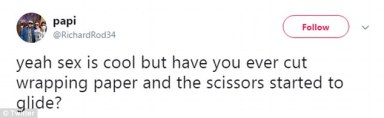
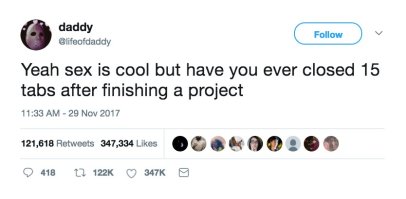
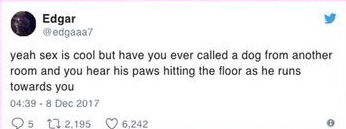
  4. It wastes time. If you decide you don’t like writing in that genre, you’ve wasted all that time you could have had writing something you like. I did that when I wrote Summer Secrets. Summer Secrets is six erotica novellas published split between two books. I think I was in the middle of writing novella 4 when I realized I didn’t want to write erotica anymore. All. That. Sex.sex is great but . . .
    sex is great but 1. . .
    sex-is-cool-but-jokes-1513681415

    Anyway, so you get the idea. By the time I was done with those six novellas, I knew I never wanted to write erotica on a regular basis. Summer Secrets, from start to finish, took me a year. Do I regret that? No. The stories are solid; I learned a lot from writing them. Not only writing but cover design, editing, etc. Every time you writing something, publish something, you learn something new, and that is experience you can’t learn in a book, no matter how much you research.

Do you want to know what I’m going to write? Sure you do! Before I wrote Don’t Run Away, I jumped into writing a high fantasy novel. It’s got everything: dragons, unicorns, wolves. Princesses, Princes, Kings, Queens. It is almost a fully completed series. Book One is 71,278 words, Book Two is 58,019,  Book Three is 114,815, Book Four is 88,005, and Book Five is 108,567, so far. Book Five not completed, as I took a break to write Don’t Run Away for my NaNo project, back in November 2015. I opened the file for Book One on January 4th, 2015.

Even though they are full of mistakes I have long since hammered out of my writing, I would feel sick if all those words went to waste. I’m confident that with what I know now, I can make those books into something I can be proud of. But it will take some work. A lot of work. And my contemporary romance schedule will be put on hold for at least a year but probably a lot longer.

Things I see I need to fix just by skimming the files as I retrieved my word count:

  1. Double spaces after my periods. Yep. I’m old, and that’s how I was taught to type. I didn’t know any better then.
  2. Head-hopping. I had a lot of head-hopping in Don’t Run Away, as well, and Joshua Edward Smith was nice enough to give me some much-needed feedback. Everything he pointed out in Don’t Run Away is there in that series, X 5. Will it be fun to correct all that head-hopping? Nope. Will the story sound better when I do? Yep. Fixing head-hopping is probably the hardest thing a writer can do during editing. Sometimes it requires so much rewriting and POV fixing, it can take months.
  3. These are very raw, and just the amount of typos I’m going to have to fix leaves me shaking. I can type 90 words a minute, but sometimes my brain is faster than that, and it leaves me with typos and missing words.
  4. Actually complete the 5th book. I need to finish book five, and I think I estimated I still need about 20,000 more words to end it. I know how I want it to end, and providing that doesn’t change, it should be easy enough. A piece of cake, really, compared to the massive amount of editing I’ll need to do before I write it.
  5. If I remember correctly, the main plot is a little shaky. I’m hoping with editing and POV-fixing that will naturally sort itself out. Fingers crossed!

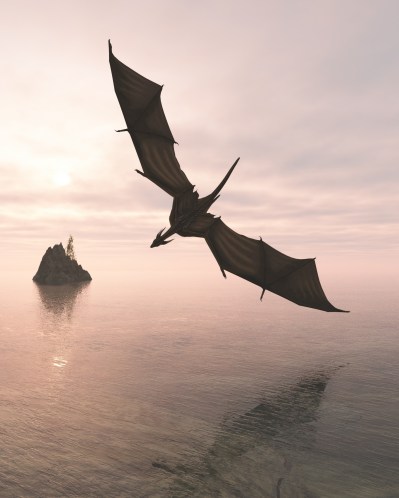
I’ve gone back and forth about fixing this series for a long time, mainly for the reasons I listed above. But, this is the part where I’m being bad, being naughty, and I’m just going to say it. I’m going to follow my heart, write what I want. I’ll genre-hop from contemporary romance to flat out high fantasy, but you know what? I’ll be indie here too, I don’t care. I’ll publish under a pen name, I’ll do what I’ll need to do to get it out there. I’ll hire an editor, hire a cover designer (I could never do fantasy by myself). Pay for some advertising and then leave it alone. I’ll have it out there, I’ll be proud of it, and if it flies, it flies. Like this guy.

canstockphoto45233200

It will set my writing schedule back by a year, maybe even two, because I know the score: editing these is going to be a labor of love. Lots of labor, but also, lots of love. I want to get my characters out into the world so you can love them, too!

That is all for now. I’m tired and being it’s Christmas Day, it’s been a long day. But I will use my blog as a way to keep you all updated on how editing is going and look for a new chat series with my friend, KT. She’s going through the publishing process for the first time, so we’ll be chatting about that up to twice a week. Tune in for newbie questions, road bumps, and hurdles that can slow you down. Use our chats and finally know what you don’t know!

Let me know what you think!

Vania Blog Signature

The Top 7 Indie News Items from 2017 (that I can remember).

Indie Publishing News of 2017

December is almost over, which means we’ll be welcoming in 2018 in a few days. Maybe you won’t see it happen because you’ll be in a pumpkin pie/eggnog-induced coma, or maybe you’ll be hungover, which is the best way to bring in any New Year. But nonetheless, 2017 will be just a distant memory. Here’s a recap of the top things that happened in 2017!

Amazon came up with Amazon Charts. Some people didn’t like this, some people did. Some people said it was a nice thing for Amazon to do since The New York Times cut back on some of their bestseller lists. Some people said it was a biased list; Amazon would only promote their bestselling imprint books. Whatever you think, there’s another list you can aim for, because just hoping for someone to buy your book and like it isn’t enough.

UnifiedListLandingPage_Charts_PostAC_FINAL_SliceReady_06

Pronoun closed. This caused a mad dash for indie authors as they were a third-party distributor like Draft2Digital or Smashwords. I don’t think anyone received a definitive answer as to why Macmillian closed Pronoun, but there was some discussion of money (isn’t there always) because they didn’t take a cut for distributing.

Speaking of Draft2Digital, it was big news in 2017 when they partnered with Findaway voices, giving indie authors a different way to produce audiobooks rather than relying on ACX through Amazon. Audio is on the rise, and while I hear it’s expensive and time-consuming to do an audio option for a book, more people than ever before are “reading” their books by listening. As an indie struggling with writing, editing, formatting, cover design, and marketing, audio is probably the last thing on your mind. But you don’t want to miss the boat–in the long run, you never know how many sales you’ll miss.

d2d_findawayvoices-600x375

Two other big news items that happened in 2017 concerning audio books are 1) Kobo is now selling audiobooks. This is important because it gives indies another sales channel besides depending on Amazon/iTunes through ACX. But if you like Amazon and are “all in” with them, and you write romance, when 2) Audible added the Romance package to their subscription, this gave indie romance writers another venue for getting their audiobooks out there. It may be more difficult to get your book into the Romance Package in Audible than it is to enroll your ebook into KU through KDP, but it’s still an option if you write excellent quality books.

Kobo-Audiobooks-560x255

Amazon/KDP rolled out KDP Print. That little tidbit of information goes alongside the news that CreateSpace is closing their online store. At first, this caused a stir that maybe CreateSpace was going to close its doors completely, and we’d be left with only IngramSpark (for distribution purposes you should be using them with CS anyway) but this is not the case. CreateSpace may fold, but in its place there will be KDP Print. I’ve looked into this service a little bit, and how you submit your interior files and cover files is the same. It actually makes sense–you have your paperback sales and Kindle sales all on one dashboard. So, in light of that news, I would suggest that if you’re close to publishing your next book, try KDP Print, figure things out before you’re forced to.

Publish-Your-Kindle-Book-in-Paperback-Format-with-KDP-Print

Another thing that popped into 2017 was if you’re looking for another way to have your romances published, the Hallmark Channel is accepting queries through Hallmark Publishing. Because, you know, there aren’t enough ways to have your writing rejected. No, seriously, if you write clean romance that you could easily see as a Hallmark Channel Movie, give it a go! You never know what can happen.

hp17-slide-hallmarkpublishing-853x570-revised

Luckily, I’m not writing in order of importance, because surely the change in how GoodReads handles their giveaways is more important than pitching to Hallmark. This was a huge step back for indies when they decided to stop their free giveaway program for all 2018 giveaways and start charging for giveaway packages. Before, for free, an indie could giveaway paperback books and only pay for the printing and shipping for the giveaway. Now, GoodReads offers two tiers of giveaways, one for $119.00 and one for $599.00. Yes, you read the second one correctly. I haven’t looked into this too carefully, as I haven’t used the free program, and it will be a while, if ever, when I use the paid option. There was a lot of speculation as to why GoodReads did this, and in my very humble opinion, it was because they needed to assert some kind of quality control. It may not be true, but I’m guessing if an indie has the resources to pay for editing, book cover design, formatting, possibly ISBN, then they also have the resources to fork over another $120.00 for a giveaway. On the flip side, if you do everything yourself to save money, then you are less likely to shell out the cash. I’ve had people disagree with me, saying that poor writers still can put out quality work, and I agree. But in terms of GoodReads now charging for giveaways, it thins the herd, no matter what the reasoning is behind it.

giveaway6

Well, for me, I guess that wraps up my year in review for big publishing news. I can do a personal, What I Did in 2017 post, maybe later. I hope you found this blog post interesting–maybe you’ll need to make some changes to what your marketing plans are for the coming year.

If you want to keep your ear to the ground, a good place to start is to listen to the podcast by Jim Kukral and Bryan Cohen, the Sell More Books Show. In their weekly podcast, they talk about indie news on a weekly basis, keeping you informed of what’s going on in the self-publishing industry. Also, follow Jane Friedman on Twitter (@JaneFriedman). She tweets interesting news articles about the publishing industry, and if you can afford it, sign up for her Hot Sheet. If you like to stay on top of trad-publishing news, listen to the PrintRun Podcast hosted by literary agents Laura Zats and Erik Hane. They work at Red Sofa Literary Agency in my home state of Minnesota. Also, follow them on Twitter (@printrunpodcast)! 

If I’ve forgotten anything, give me a shout. I like staying on top of things. You never know when it will come in handy.

Have a great 2018 in the world of publishing! Get your books out there! Good luck!

merry-christmas-3003544_1920


Thank you to the respective websites for the pictures that I stole borrowed for this post. Also, thank you to http://www.pixabay.com and Canva for the other photos.


Indie Book Reviews: My Unpopular Opinion

There’s been a lot of talk lately about writing indie book reviews. You know, it’s a kind thing to do, you’re giving the book a bump in the Amazon algorithms. You see it everywhere on Twitter: support an author, leave a review.

And I’ll be honest, when I jumped into the indie world, I read a lot of indie books. I was supporting my Twitter friends. But when you are just starting out, when you’re new to Writer Twitter, the thing that no one tells you is that there are bad books out there. Maybe I was naive, maybe I was just inexperienced. I was in awe of anyone who had published books. I hadn’t been exposed to the indie world, and I had no idea that a published book could be bad.

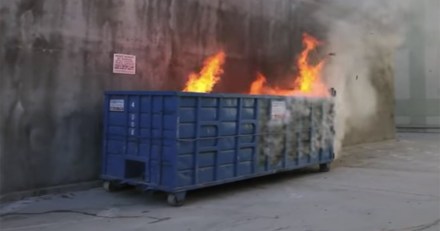
So I bought books, tweeted I was reading them, showed my support. The only problem was, some of them were good, some were okay, some were dumpster fires.

20-dumpster-fire.w1200.h630

Then I would have to write a review. I admit, I wrote a handful of 5-star reviews for books that were mediocre. (I realize that is a moral dilemma for some, and I have stopped doing it since it’s not fair to anyone). There was a lot of telling, or the characters were flat. Maybe a plot hole here and there.

After I bought two books in a row that I did not finish (DNF), I stopped buying indie completely. Because let’s face it, indie books are expensive. I buy paperback, and to get any kind of royalty, CreateSpace makes you price your book at a ridiculous price. So spending $17.99 on a book I won’t finish is a blow to my wallet.

But lately, the review talk is getting out of hand. While writing a positive review for a book that is well-written and well-edited is one thing, writing a negative review for a book that isn’t good is something else.

What makes a book bad?

Poor or complete lack of editing
The formatting is wonky, so wonky that it takes away from the reading experience
Flat characters
Plot holes
An all-around boring story

I’ve read my share, and if you read indie, you have too. I once read a book that had so many typos in it, I used it as a proofreading exercise (a quick run through Grammarly could have fixed 80% of those mistakes). I’ve read two books that I did not finish because the formatting was so terrible I couldn’t focus on the story. I read one book where nothing happened for three chapters. I was still waiting by chapter four and eventually toss the book aside.

Did I write bad reviews for any of those books? No, I didn’t. Did I reach out to those authors, my friends? No, I didn’t.

See, here’s the thing that you probably won’t agree with, but something that I live by:

When I pick up a book at Target, Walmart, Barnes and Noble, I’m picking up a traditionally published book. I’m reading a book that has been read several times by an agent, by several (and different kinds at that) editors. If the book is bad, say unlikeable characters, maybe a slight plot hole, or just a boring story, several people are to blame for the all the book lacks. I’m also reading that book as a readerI don’t know the author, probably. I’ll never interact with them. I can leave an honest review, and for a traditionally published book on GoodReads I have left, you know, two or three stars (which technically isn’t a bad review anyway).

When I read indie, I’m doing it because they are my friends, or I know them peripherally, or I thought it looked good and picked it up in a show of support. What do you get when you purchase an indie book?

Maybe something that hasn’t been edited all that great due to cost, resources, what have you. Most times editing is a favor, and it’s not always done by someone who knows how to edit.
A book that has a cover that was maybe done by the author to save a few bucks. I do my own covers, and I like to think they look decent. I know decent isn’t what we’re aiming for here, and I realize that if I wrote in any genre other than Romance, I would have to pay to have my covers done. Romance is the only genre you can get away with slapping a kissing couple on the front and adding the title and your name and be able to call it good.
A book that hasn’t been properly formatted. This has always bothered me because CreateSpace has free templates for you to download. And there are lovely templates you can purchase at a low cost you can use over and over again. Copy and paste your book into it, and you’re done. You’ve got your headers, footers, the pages where there should be numbers, and where they shouldn’t be. Gutters, margins. The templates aren’t perfect, and I’ve had to tweak mine, but even just using a template as a starting point will put you ahead of hundreds of authors who don’t know they exist or are too stubborn to use them. Pick up a trad-published book for God’s sake. Copy it. Page numbers, title, author name in the headers and footers. Full-justify the damn thing. Take out the auto spacing between paragraphs. A 200-page book shouldn’t be 600 pages. It costs money, for you and your customers, to print all that space. Stop it.

But you know what, a review is not the place to say all this. By the time the book is published, it’s too late. It’s not your job. You might say, well I have to warn other readers, or I’m giving my feedback.

When you read an indie, you are doing so as a writer, and that is not the same as reading a book as a reader. It’s not the same. When you read indie, you are peer-reviewing their books, and giving a poor review is a low blow. Reach out to them in a DM if you absolutely must, but be prepared for the backlash.

Look, there are a lot of readers out there, and eventually the book you want to “leave feedback on” will receive an honest review from someone the author doesn’t know. That’s an honest review, and maybe if your friend receives enough of them, they’ll pull the book and have it edited, or whatever.

reviews

This blog post is really long, and I haven’t even touched on the thing that makes me the maddest. I’ll write another blog post about it. But anyway, I don’t leave bad reviews for the simple fact that I am a nobody in the world of indie publishing. I don’t have thousands of sales, I don’t make six-figures. And when I do become an authority, I still won’t leave reviews. I’ll write blog posts like this.

Let’s try to save these books before they are published. Instead of reviewing, maybe offer to beta read, be a CP. Tweet informational articles about formatting. If you find services you like, tweet about it! Share when you find a paperback interior template that you LOVE. Share tips, tricks. A good editor that doesn’t cost an arm and a leg. Maybe you can get the information out there; even if you can help one person, it’s worth it.

It’s hell for an author to pull a book to fix it, and by then, their reputation may already be ruined. All it takes is one book for a reader to be turned off by an author, forever.

Let’s stop it before it starts. It can only help all of us.

no one heals themsevles by wouding another

Tell me if you leave bad reviews. Feel bad about it? Proud of yourself for being honest? Let me know!

Vania Blog Signature

Competitiveness. Let’s Not Talk About It

The other day, I got into a little spat with a couple people in a Facebook writer’s group. Someone announced that they had just published their book. There were a lot of congratulations, but there was one woman who felt the need to edit this person’s post. Yes, there was a typo in it. But it was clear this person hit the comma on their phone instead of the spacebar. No harm done, right?

The fact that she called him out on it wasn’t really what bugged me–it was the fact that her own post had a typo in it. All this poor guy did was post he’d published a book. That’s all. So why the need to attack him? I usually let this stuff go, but the fact she did it with a typo herself made me jump in.

typos_LI (2)

But like all good catfights, it didn’t end there:

i'm going to hell_LI

Did you notice that the person corrected her typo? I wanted to tell her that correcting her typo didn’t make her comment any less bitchy.  The person correcting my comment was someone different, but I like to think I got the upper hand there, too. Know your grammar before you begin correcting people, or you’ll just look like a fool, and yes, it is damaging to your online presence.

I’m trying to figure out why people need to be so callous. It came to me in the shower (where all good ideas do).

We jump on each other because we’re insecure and jealous. These people probably haven’t published anything, and they felt threatened by this person’s announcement.

Does that make it okay? No of course not, but I think it does point out something no one likes to talk about: competition.

Writers support each other, that’s a given. When we’re writing.

But what about when we’re trying to sell our books, novellas, shorts? What about when we try to market our blog posts?

There are only so many publishers/agents/bookshelf space to go around. Whether we like it or not, we are competing for prime real estate.

So when we feel like people are “ahead of us” in some way, be it a new marketing trick, or what????!!!!!! . . . they just put out another book? It can feel disheartening, and it can make some people, not very nice frustrated.
But you know what? It’s okay to have those feelings. We all feel them. Yes, I support all my writer friends; yes, I want their books to sell.

But.

I want my books to sell, too.

Maybe, maybe you can even admit, you want your books to sell more than you want their books to sell.

You can admit that–in a dark little corner of your soul. It’s okay. It’s natural that if someone is choosing between your book and someone else’s you want that person to choose yours.

But it’s what you do with those feelings that matter.

Don’t: attack people online; in the end, it only makes you look bad
Don’t: not write because you feel it’s hopeless
Don’t: stop supporting your friends because they make you feel inferior with their progress or sales

Do: turn those feelings into productivity and work harder
Do: trudge through those feelings and support your friends anyway (Jennifer Probst has a wonderful section on this in her book Write Naked which you can find here.)
Do: keep those feelings to yourself, or confide in someone you trust who won’t turn on you or blab behind your back.

The guy who was put down in that thread PM’d me to thank me for sticking up for him. I have been known to stick my nose in a few places where it doesn’t belong because I’ve been on social media long enough I don’t give a f*ck what people think of me. If I see nastiness, for the most part, I’ll call you out. There’s no need for it. We all have one goal: for people to read our work. Being nasty online is counterproductive to that. You can bet I’ll remember those two women, and if they ever publish anything I’ll look the other way.

Speaking of memory, I remember Rebecca Thorne posted a little something about this during her experience at the Dallas Writer’s Conference in 2016. Must have stuck with me to remember a blog post from over a year ago, and you can read it here.

After I defended my use of and at the beginning of a sentence, I left that group. I don’t need that kind of negativity in my life–and I certainly don’t need to waste my valuable time defending idiots who just won’t get it anyway.

You can be supportive and still want to do well for yourself.

And for those other two, karma’s a bitch, baby.

karma


Let me know what you think!

Vania Blog Signature

It’s Beginning to Look a lot like . . . Something the Cat Dragged in

I’ve been blogging close to nothing these past few weeks. I’ve been sick, but not like, a flu/head cold/stomach bug thing that wouldn’t go away. I’ve had an infection in the cartilage of my nose, and while the pain has been annoying and uncomfortable, it’s been the antibiotics that have made me feel off for the past few weeks. I went through two courses in the past 24 days. I just finished my second course a couple days ago, and I think my body is finally getting back to normal. Though now I have some weird sinus/fuzzy ear/ face pressure thing that won’t go away. It can’t be anything bacterial-related since all the antibiotics I’ve been on would have killed it. I’m just biding my time, waiting to see if my body will right itself after all the drugs I’ve pumped into my body lately. (With the second round of antibiotics I was also put on Prednisone; that didn’t do me any favors.)

cat-2749889_1920

Tired of this BS. I want to get better!

Anyway, so I’ve been fuzzy, sleeping, and my nose hurt until the antibiotics kicked in, and the tip of my nose still tingles and aches in the cold (I live in MN). I admire anyone who can function on a day to day basis with any kind of chronic illness. Not only does the pain do things to your body, it preys on your mental health. I couldn’t concentrate while waiting to see if the drugs were going to kick in or not. And yes, I have to force myself to stop poking at my nose to see if it hurts. The short answer, yes. Anything you poke at long enough will start to hurt. LOL

Through it all, any mental wherewithal I had went into my books. I released book one of my Tower City Romance on November 18th to little to no fanfare. My fault. But that’s okay. My second book is loaded into CreateSpace and KDP and is ready to go on December 18th. I’m editing and scrambling to get book 3 ready for release on January 18th. I might be behind on that one, and I may need to settle for the end of January, or even the beginning of February. I don’t want to sacrifice any part of editing just to publish, and I know Christmas is going to take a little time whether I want it to or not.

retro-gifts-1847088_1920

On the bright side I already know the next book I’m going to write–it’s a stand-alone and once I get going on it, I should be able to write and publish it rather quickly. I’ve already got it plotted out, and I’ve been playing with the cover. I’m so used to dealing with a million words at a time (Summer Secrets was about 160,000 words all together and this trilogy is 210,000 combined) that working with only a 70,000-word book will feel like a dream come true.

Anyway, so that’s what I’ve been doing these past few weeks.

I’ve also been fiddling with what I can do to break into the reader/social media barrier that eludes a lot of writers.

binoculars-1209011_1920

I read a lot of books so, for now, I’m going to focus on reviewing them. But not just any books. I’m going to read romances (what I write, naturally) pick at them, and compare how they are written to what I’ve learned in the world of self-publishing. That way I’ll be reading my genre, get a blog post out of it, but also I can compare what’s being published to what indies are “learning” in the Twitter Writing community. A win-win for everyone.

I’ll start with The Mountain Between Us by Charles Martin. I watched the movie with my sister and bought the book to compare. But that is another blog post.

I realize 2017 is coming to a close, and I’ll be writing another blog post or two about what happened in 2017 both in the publishing community and in my own career. I have a lot to share–if my nose and my ears stop doing weird things.

Fingers crossed!


Vania Blog Signature

Aila Stephens’ Interview and Giveaway (Updated post. The giveaway is closed.)

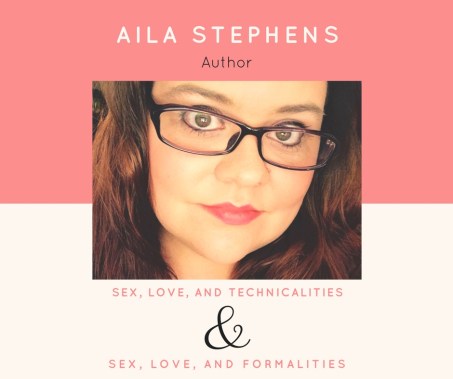
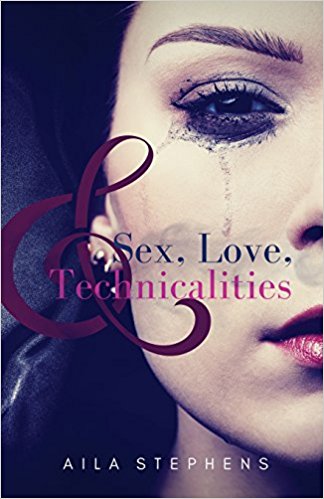
Aila StephensI got to know Aila wasting time networking on Twitter, and I read her first book, Sex, Love, and Technicalities, when it came out last year.

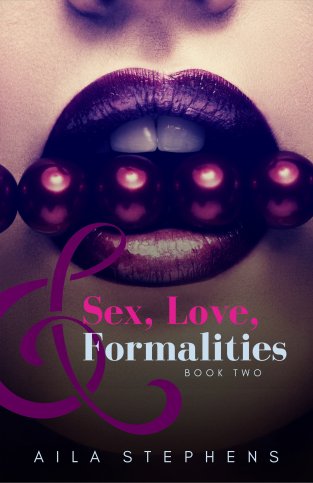
In celebration of her sequel’s release, Sex, Love, and Formalities, I’ve interviewed Aila, and I am also hosting a giveaway! (More on that later.) Settle down with a cup of coffee, and listen in to my interview with her! Enjoy!

You chose IngramSpark over CreateSpace. Can you explain why?
I was drawn to IngramSpark because of the reported quality of their paperbacks. I don’t know how many YouTube videos I watched where people had ordered copies from both Ingram and Createspace, and most authors liked the paper quality of Ingram better. I also liked the fact that my books would potentially be more attractive to brick and mortar stores—because you know, we Indie authors become household names so quickly. 😉
To be honest, I’m now convinced that using a combination of IngramSpark and Createspace is the way to go.

You published your first book in July of 2016, and now you are releasing the sequel in November of 2017. Can you give our readers some pros and cons of waiting over a year between books?
After SLT came out, life slapped me in the face. It wasn’t just one or two little things, it was more akin to a typhoon of problems pounding at my shore. I tried to keep writing during this rough period, but it was easy to see my creativity suffered and I knew I needed to step away if I wanted to even remotely be proud of my work. It stung…but in the long run, I think Sex, Love, and Formalities is better since I waited. The first storyline was weak—so I suppose that’s the pro. During the absence, I wasn’t writing, but I was thinking.
The cons are numerous. People forgot me. I wasn’t selling copies of SLT, therefore it’s hard to build hype around SLF. I will always worry I lost some of Briella’s voice.
All in all, I don’t recommend waiting over a year between books if it can be helped.

Sex, Love and Technicalities

The gorgeous cover for Sex, Love, and Technicalities. Love!

Now that you’ve released two books, can you tell us some of the things that surprised you about the self-publishing industry, or maybe the publishing industry in general?
It surprised me how much I enjoy the process. I love the fact that with self-publishing everything is up to me…which is also terrifying. There are a lot of rules. Marketing is the bane of my existence. That was one thing I hadn’t expected: How much I dislike marketing. I like creating marketing materials…it’s what to do after that baffles me.
I am glad I self-published these first two books. I think it was a great learning process, and I’m sure I will self-publish again. But the two books I am writing next, I plan to pitch. I’m still uncertain about how long I will pitch them before I decide to self-publish them, but I am excited to learn another side of the publishing industry.

Having gone through the publishing process twice now, can you tell us what you would have done differently the first time around with the knowledge you have now?
With the first book, I would have done more editing. I would NOT use IngramSpark for eBook publication. I also would have formatted the eBook myself from the beginning. I would force myself to market more.
With the second book, I wouldn’t have put my passion on hold for so long. I’d force my unsociable self to be more sociable.

In your opinion, what is the best part of the self-publishing process?
It may sound odd…but making my own book covers. I absolutely love making them. I hope people like them half as much as I loved making them.

sex love and formalities

The dazzling new cover! Her cover design skill is proven here. Great job!

Will you ever query and try for a traditionally published deal?
Yes. That’s the plan with the next two books. Alabama Rain is a book I’ve been working on intermittently for the last year and a half, which will now get my full attention. Then I have a project I’m currently outlining and preparing for which has a placeholder title of Underthings.

Thanks for having me, Vania! I am sure I speak for all your readers when I say thanks for all you do for the Indie writing community. You’re an inspiration!

Thank you, Aila, for taking the time to answer my questions. If anyone has other self-publishing questions, ask in the comment sections or tweet us. 🙂 We’ll be more than happy to help!

Please follow Aila on Facebook Twitter (mandatory to enter the giveaway) Goodreads and of course, follow her on Amazon! Keep up to date on her blog posts, and please take a moment to check out her website.

The giveaway for Aila’s release includes:
An assortment of coffee and tea
A coffee mug
Signed paperback copies of Sex, Love, and Technicalities
and Sex, Love, and Formalities
A $25.00 gift card to Amazon sent to the winner’s email address

The giveaway is open internationally, so don’t be afraid to enter!

Click here to enter!!!


Updated to congradulate Rebecca Yelland on winning the giveaway! I hope you all enjoyed Aila’s launch–she had a blast! Thank you all for helping make her day a huge success!


PitchWars: Should You Enter?

PitchWars is an annual writing contest where writers all over the world compete for the chance to be mentored by traditionally published authors. If you have a completed novel, you can enter. While mentors comb through entries, everyone involved in the contest spends about a month on Twitter making friends, talking about writing, and sharing their favorite GIFs.

Once picks are announced, mentors and mentees work together for two months on the mentee’s novel. After that, there’s an agent round where roughly fifty agents will read the entries and make requests for manuscripts that spark their interest.

Photo 1

Right? It’s an amazing opportunity to network and get your foot in the door with traditional publishing. The question is, should you enter?

Yes, I think every unpublished writer who wants to go traditional should try it once. I entered this past August and didn’t get a spot, but thought it was a very valuable experience. However, please save yourself some heartache and assume you will not win a spot. Getting into PitchWars is no easier than getting an agent from cold querying.

So why should you bother? As with everything in this bizarre universe of ours, it has its pluses and minuses.

Disadvantages

Seriously, the Odds Are Not in Your Favor

Ignoring duplicate entries, over 2800 people entered PitchWars in 2017. There were 180 spots. That’s a 0.6% acceptance rate. For context, Yale Fucking Law School has a 9.7% acceptance rate.

But let’s say you’re lucky enough to get in. As of July, PitchWars has almost 250 success stories. This means ~250 people have gotten agents out of the 385 mentees selected between 2013 and 2016. Don’t get me wrong, a 65% chance of getting an agent is HUGE, especially compared to the 1% cold query success rate rumor I keep hearing about. But it’s far from a guarantee.

Am I trying to shit on PitchWars? Absolutely not. But you need to go into this with wide-open eyes. You should have faith in yourself as a writer and your journey; your book will find a home (whether it’s with trad pub, self-pub, or small press). But it probably won’t be through PitchWars. PW is not a golden shortcut ticket to unlock the Gates of Traditional Publishing.

The Secret to Getting Picked Is a Goddamn Mystery

Photo 2

In addition to the numbers working against you, there is no real way to know why your manuscript does or doesn’t get picked. Some mentors give feedback, but most do not. Your book has to fit into a specific and subjective set of standards, which include…

  1. It has to be good. Good voice, solid plot, interesting characters, quality writing, etc. are essential.
  1. But it can’t be too good. *facepalm* I know. But if you’re going to work with a mentor for two months, they need to have a vision for what they can do to help you improve the book. Contest rules say to submit a “complete and polished” manuscript, but I would read this more as “complete and copyedited.” Your lump of clay needs to be good, but it still needs to be a lump of clay.
  1. It has to mesh with the mentor’s tastes. Before you submit your application, mentors will post wish lists about what kinds of stories they’re looking for, which is helpful, but look at their backlist too. Does anything about their work resonate with you? Their voice? Their subgenre? The tropes they use?
  1. But it can’t be too similar to the mentor’s body of work. If the mentor has a series about a talking squirrel who solves mysteries with a cynical school janitor, they probably won’t feel comfortable working with you on a book about a talking chipmunk who solves mysteries with a grumpy hotel maid.
  1. It has to be marketable. Mentors are more lenient about this than agents are, but it still has to be clear where your book will fit in the market.
  1. The mentor has to believe you can work together. Mentorship isn’t just about quality and marketability. It’s an interpersonal issue, too. Some mentors will stalk you on Twitter to see if you’ll be a good fit.
  1. Weird miscellaneous factors can decide your fate. Maybe your protagonist has the same name as their favorite niece. Maybe your book takes place in their hometown—which they HATE. As they always say, this business is subjective. Considering some mentors have hundreds of entries to wade through, it could be literally anything that puts your book in the “Yes” pile.

Not surprisingly, aside from #2, the reasons a mentor will accept or reject your work are similar to why an agent will or won’t request more pages. Once again, PW is not simpler or easier than cold querying an agent.

Social Media Is Hell

What makes PW such an event is the social media component of it on Twitter, but to be honest, I have conflicting feelings about that aspect. In the weeks leading up to the submission window opening, there are all kinds of Twitter games, encouraging you to get to know mentors and other PW hopefuls. Once the submission window closes, the Twitter party continues for another month…but it gets more intense.

The entire purpose of the PW Twitter community is for everyone to get worked into a literal frenzy. They want you to be excited and proud of your work, which is a nice thought, but it also sets up unrealistic expectations. Many mentors post teasers about entries they’re enjoying— there’s an entire hashtag for them. There are also endless posts telling you to stay positive because there’s always a chance you could win a spot. It was an exhausting rollercoaster.

At least with agents, you know to pray for the best but expect the worst. Cold querying is beautiful in its simplicity. I send out my package, note the expected response dates in a spreadsheet, and walk away. If I follow agents I’ve subbed to on social media, I don’t have to worry their posts will be hints about submissions they’re reading. Some agents do #tenqueries, but those posts include specific reasons for passing on or requesting more pages of a project. They don’t post cryptic messages about something they might pick.

So if you do enter PW, protect your space. Like all social media, PW Twitter can become too much. Don’t be afraid to block hashtags, mute certain accounts, or take a break.

Advantages – Why You Should Enter Anyway


Photo 3

I know, I raised a lot of issues with the contest, but I still think it’s worthwhile to enter at least once. Whether you’re new to the querying trenches or are a seasoned pro, PW has something to offer.

 If You Do Get Picked, It’s a Great Opportunity

It doesn’t hurt to buy a lottery ticket—just don’t gamble away all your money. Go in with low expectations, but if you do have the fortune of getting selected, the mentorship alone is an amazing opportunity. Not only are you getting free, in-depth help from a professional writer, but you’re also forming a connection with them. I often hear about mentors who still talk to and help their former mentees with their writing. Like with any other industry, you need connections to thrive. Mentorships are invaluable.

As I said earlier, the agent round may or may not yield fruit, but it does boost your chances.

You’ll Make New Friends and Expand Your Twitter Presence

While I wasn’t a fan of certain aspects of the PW hashtag, overall, I did enjoy the sense of camaraderie among entrants and mentors. If you participate in any of the games (e.g., GIF competitions) or interact with the hashtag, you’re bound to connect with other PW hopefuls. Some of these people will become followers, critique partners, and even friends. For some writers, PW has become as much a valued tradition as NaNoWriMo because of the unique community.

PitchWars is also a good excuse to post content and build your brand. Twitter is the most popular social media platform for us writer types, so if you’re looking to network, it’s the place to be. Many unpublished writers are using their growing platforms to build hype around their manuscripts by showing off novel aesthetics, character interviews, and memorable quotes. Taking advantage of the PW hashtag can help you with that.

You’ll Discover New Authors

Since mentors are wading through their slush piles for free, it’s nice to give back by reading their books. There are over a hundred PW mentors, so there is plenty of new content to discover. You might find your next favorite book or a new comp title to use in your query letter.

It’s Good Practice for Rejection

If you haven’t queried agents or publishers before…Welcome! PitchWars is a great way to rip off that first Band-Aid of rejection because there’s going to be tons of it, regardless of how you publish. Agents will reject you, publishers will rebuff you, and readers will scorn you. Get in the practice now with PitchWars. Rejections from faceless agents are way easier to digest after getting rejections from friendly mentors you bonded with.

It’s a Kick in the Pants

Most people don’t enter PitchWars because they simply happened to have a polished manuscript lying around. They prepare. Whether they just found out about PitchWars existed three weeks before the deadline or they’re a third-year PitchWars veteran, PW hopefuls haul ass. If you’re looking for motivation, the contest is a great stimulus for finishing your book and writing a query letter. Even if you don’t get a spot, you’re still way ahead of where you were before.

Photo 4

PitchWars will re-open in August 2018, but you can read this year’s winning entries here: www.pitchwars.org

nadia's logoNadia Diament writes sexy, funny things. You can ask her esoteric questions on Twitter here, check out her blog here, and read her stories here.


The Evolution of Don’t Run Away’s Cover

This is an old, terrible post and unless you want your eyes to bleed, you shouldn’t read it. Or, go ahead if you want to be amused while I flailed helplessly and gave advice when I shouldn’t have been giving it. There are better posts to read about my book covers. Try this one about matching the vibe of your book to your cover and why a “perfect” cover might not always be the right one: https://vaniamargene.com/2024/04/08/my-marketing-secret-shh/


They say your cover is the most important part of your book. I don’t know who “they” are, or if that’s necessarily true, but your cover is important. It needs to convey your genre, it needs to be eye-catching. The font for your title and author name needs to look professional, yet suited to your genre.

This is a tall order if you want to do it yourself. Way back when I was new at this, I didn’t know as much as I do now, and I was adamant that indies could do their own covers. And you can. You should.

But let’s step back and figure out what a “good” cover is.

I wrote Don’t Run Away as a NaNoWriMo project in 2015. After I released Summer Secrets, I started editing it, I mean, really editing it, so that it was publishable. I took out all the head-hopping, the mixed up POVs, and I turned it into the book that’s going to be released on the 18th. So for the year I spent editing, I blogged about the publishing process and making your own cover. While I blogged about making your own cover, I came up with some doozies, that were, ah, well. See for yourself.

blog post 1

Yeah. I blogged about creating this cover. Did I say that I liked it? No. Am I embarrassed that I put something like that on the internet? Yes. But that was naivety and inexperience. Cover design takes practice and a good eye.

Did it get better? No.

back cover blurb

Then I came up with this piece of crap. Yeah, it’s better than that pink monstrosity above, but I would never buy a book that had this for a cover.

Luckily for me, lots of time went by, and I took a break.

When I was nearer to publication, I came up with this:

20813949_10155382724650751_814775920_n

And that’s not so bad. I even would have maybe used this. But the problem was, or is, is that Don’t Run Away is book one of a trilogy, so not only did I need to make one cover, I needed to keep in mind that I needed two other covers, and they needed to look like they belonged together.

I came up with these two for books two and three:

I mean, as far as covers go, they aren’t that bad. But ultimately, I turned all three of them down because, in the end, I felt the couples looked fake. When you look through sites like www.canstock.com or www.dreamstime.com there are three different categories of people. Real people:

canstockphoto11400894

You don’t want real people on your cover. I think this is where a lot of indies go wrong. Real people aren’t models, and the photographer didn’t touch up the photograph to make it look less real. I suppose if you found the perfect person, you could run the photo through some filters, modify it somehow so that she doesn’t look like a real person giving you a goofy look through some weeds. But you definitely have to do something to it. That’s where the pink “hell no” cover at the beginning of this post comes from. Real people don’t work.

The second category of people on stock sites are real, but they look better than real.

canstockphoto15361212

She looks good, ya know? She looks like model material, but approachable. The photographer added some sunlight. Depending on your genre, these make perfect covers.

The third category of people are fakes:

woman-grass-young-outdoors-fashion-portrait-style-boho-40902938

There’s a genre for actual models (erotica and porn), and I didn’t need anything like her for my covers. I needed my couples approachable. My characters aren’t billionaires, they aren’t sheiks, or princes, or even CEOs. My characters hold down-to-earth jobs and have real people problems. I needed my covers to convey that.

So I did manage to find this couple, and I was lucky to find two other couples that looked like they were taken by the same person. Two of them were, but the third was taken by someone else. I probably won’t write anymore trilogies, but if you do, or even a duet, or even more than three, make a plan for your covers because it’s a pain in the ass to change them. Not only do you have to go through the submission process again for CreateSpace, if you use IngramSpark, they charge you for every change you make. And you have to remember to change your cover on Goodreads, too. (Which isn’t the best because your old cover will always be attached to your book on the book’s page.)

Here are the three I chose for my covers:

canstockphoto11573436 (2)
canstockphoto38274429 (2)
canstockphoto46133644 (1)

I also decided to make the whole picture wrap onto the spine and back cover, so the position of the couple was important too.

Here’s how Don’t Run Away turned out:

don't run away cover

I’m pretty proud of it. And it turned out nice in person (ignore how goofy looking he is):

IMG_9499
IMG_9500
IMG_9501

Of course, even when you find the perfect picture, you need to play with font, where everything will go, that kind of thing. At first my cover looked like this:

Don't Run Away Experiment

And I didn’t have any qualms about it. But after the proof came in the mail, I realized the title was way too big. It didn’t need to be that large. My friend Gareth made the crack that, what, I didn’t need people be able to see it from outer space? No, I didn’t. So I fixed it, but then the spine was off:

23134703_10155603226795751_388290689_o

I was tempted to leave it, but I couldn’t. So again, I sent it in to be fixed, and it came back okay.

I guess my point is, covers go through an evolution of sorts, and it’s never too late to start playing around with fonts and photos.

Look around at other covers and see what’s popular in your genre. Maybe even see if other covers are using the same people you’re thinking about using.

I found this nice one while looking around:

fake running to love

The site selling it wanted $50.00 for it. I’m sorry, but I like mine better, and it was free. Well, did pay http://www.canstock.com five credits for the picture, which turned out to be around 4 dollars. The fonts I used were all allowed for commercial use for free and I downloaded them from http://www.1001fonts.com/. Be careful if you use this site because some are for commercial use, and some are not.

That ends my cover adventure for Don’t Run Away. If you want to know how I used the photo for the spine and back cover, let me know. It’s fun, and it solves the problem of what to put on the back. Some people don’t care about the back since you’ll sell more e-reader versions, but still. If you ever do a book signing or a giveaway, perhaps on Goodreads, you’ll need a paperback version.

Let me know your thoughts!