My Midlife Crisis. I Mean, my Mid-Year Check In.


It seems completely crazy to me that half the year has gone by. After a crappy winter, my first as a divorced lady, plus a surgery (old news) and dealing with a POS car on top of all that, my spring smoothed out, THANK GOD.
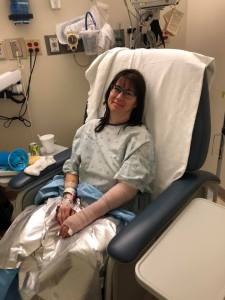
surgery photo

How I started 2019. This smile was before I started puking from anesthesia.

Blaze got better and is fitting into our new family dynamics. I post a lot of pictures of her and my other cats over on Instagram. If you want to follow me there, click here for my profile link.

My car, after $600.00 in repairs, is running all right, but the countdown is on to buy something better.

I published The Years Between Us in May, but that too, is old news. Though, really, it doesn’t feel like old news. It still feels like a brand new book. Not many people have read it, and it has 0 reviews on Amazon. I have it on BookSprout, and if you want to nab a copy for review through that service, click here.

I had a nice vacation last month to Georgia with my sister, and I met up with David Willis, a fellow writer I met on Twitter a couple years ago. I can’t even tell you how much I adore the ocean.

This slideshow requires JavaScript.

Spring is about new beginnings. Summer about shaking off the winter, sleeping in, and picking up more hours at work. Things are going as well as anyone can say their life is going.

Planning my next six months won’t be much of an undertaking. Like Adam Croft said in a New Year’s interview with Joanna Penn, he doesn’t treat the new year any differently. He does what he needs to do to get the things he needs done to write and publish books. And I feel that way about the rest of 2019.

When you are running your own business, being a self-starter and a self-motivator is a must. No one can force you to do the work. All you can do is look in the mirror and ask yourself if you want to sell your books or not. If the answer is yes, well, you can’t sell what you don’t have.

I’ll be finishing my Wedding Party series in the next few months. I’m 18,000 words into book three. As I write, I’ve been exploring covers. Formatting will be a snap with Vellum, but to put links in the back of the books, I’ll have to publish all of them at once so the links will be available, then I’ll need to add the links to the back matter and swap out those files. It’s nothing less than what other successful indies do, but it still sounds like a pain in the ass.

Anyway, anyone keeping track of my progress knows I’m getting a little fed up with this lack-of-sales thing I’ve got going on. It’s not my way to whine–in fact I tend to avoid those who do on a consistent basis. I can’t handle how energy-sucking it can be. I need all the energy I have for myself.

In the next 12 months, you’ll be seeing a lot more progress reports from me. I’ll do this because:

  1. not all of us are making money at this writing thing, and it’s okay to talk about it.
  2. if I find something that works for me, I want to share it because it might work for you, too.
  3. I’m at a point where my backlist should be making me a little money. Focusing on writing and not marketing has been at fault, but this is why I’m experimenting now. I thought All of Nothing would be a game-changer for me, and it has been in some ways. It’s the most-read book I have. But that was luck or better timing as when I used a free day and ran a Freebooksy, All of Nothing was in KU.
Why in this business does it feel like all roads lead to Amazon_ HMMMM.

My personal life probably has a lot to do with how I look at sales. But I’m not different than any other writer using their royalties to buy a better place to live, buy a newer vehicle, or pay down credit card debt.

Anyway, I’m doing what I can and what I can afford to do.

In September, I will be a part of an author panel and luncheon at the Fargo Public Library. I’ll be able to sell my books there too. A lovely woman who connected with me via LinkedIn emailed me the opportunity, and I said yes. While it may not yield any results, it made me remember that local networking can be just as important as networking online.

Something like this makes me excited I’m wide–if, after the luncheon, the library wants to carry my ebooks in their lending catalog, my books are available in the library program through Draft2Digital.

I’ll continue to blog in lieu of a newsletter. I prefer to blog, and every time I publish a new post, I gain new followers, so thank you for reading!

This post needn’t be too long. I’m struggling to write my books and stay afloat like many others out there. Some may have it better than me, some may have it worse. But as I have said many times in the past, we can only work with what we’ve got. Keep your chin up and a smile on your face.

Why in this business does it feel like all roads lead to Amazon_ HMMMM. (1)


Care to share how your 2019 is going? Drop me a comment.

Share a little triumph that will carry you for the rest of the year. ❤


My books are wide! Find them at your favorite ebook retailer.

Don’t Run Away: books2read.com/dont-run-away
Chasing You: books2read.com/Chasing-You
Running Scared: books2read.com/running-scared

Wherever He Goes: books2read.com/whereverhegoes1
All of Nothing: books2read.com/allofnothing1
The Years Between Us: books2read.com/the-years-between-us
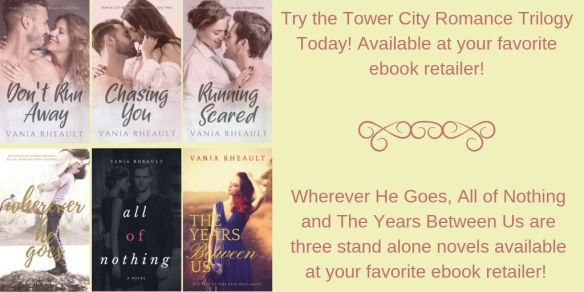
Try the Tower City Romance Trilogy Today!

all graphics made with Canva.com
How Do You Make Your Book Stand Out?

We all want our books to stand out, and we all go about it in a different way.

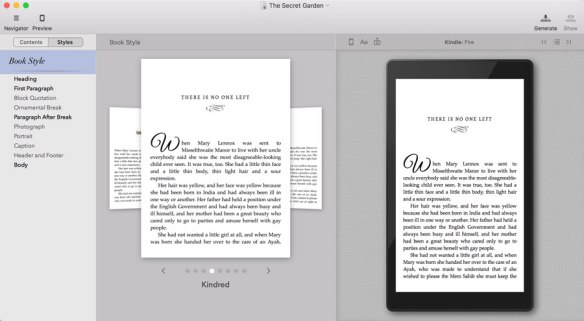
Some spend hundreds of dollars on a cover. Some spend hundreds of dollars on a developmental edit to make their story and characters the best they can be. Some authors do fancy formatting.

vellum formatting ad

This is a picture of a formatting sample using Vellum. For more information on the software visit www.vellum.pub

Some authors do all of that.

Some authors do all of that and invest hundreds, even thousands, in ads.

Experts in book marketing would say you need to do it all to help with discoverability.

Readers may say to make them happy, all that would be a given.

And I’m not disputing any of that.

What I’m talking about are the extras.

Some traditionally published books have them already.

Say you have a baker for a main character. Some authors will add their own baking recipes to the back matter of the book along with a short explanation of the family history behind it, or a funny story.

Maps are always popular–especially if you’re world-building like in Game of Thrones. I know that I looked over the family trees a lot when I was reading them to remember who everyone was, and who the members of the families were.

In some contemporary romances, I’ve seen maps of towns where a series takes place.

I’ve never tried a recipe I’ve found in the back of a book, but I could see the appeal of adding a few. You could encourage book clubs to have a baking/cooking night along with their book discussion. Hey, even suggest what kind of wine would make a good accompaniment.

Some writers will add discussion questions. I’ve seen this a lot in traditionally published books, even in “lighter” books where I didn’t think a discussion was necessary. I wanted to add discussion questions to All of Nothing, but I forgot. They may have been a nice addition to The Years Between Us, too, but again, being excited I was finished with the book, I forgot to write them and add them into the back matter.

Something I have seen added to books are playlists consisting of the songs authors listened to while writing the book. I found in one “look inside” of a Kindle book, the author included the actual YouTube links to songs she wanted you to listen to get you in the mood to read the following scenes.

I caution against this for one, you need to make sure the music is free of copyright, and two, you never know how long those links will remain active. If the links are ever broken, will the author know? Or care? Will she edit the book to take them out or replace them? I don’t like to go back and go back fixing things. It’s always the next book for me. I wouldn’t want to keep an eye on my backlist like that. It’s bad enough keeping my own front and back matter up to date.

I’ve also seen back matter that included an interview or question and answer session between an unknown interviewer and the author. I think it was in the last Twilight book Stephenie Meyer answered questions. This could be an interesting addition to back matter as well.

In The Years Between Us, Zia held a showing at a gallery. I created an invitation for the showing in Canva and included it in the front matter of the book. It shows up black and white in the paperback and simple e-readers, but it will show in color on a tablet.


In this vein, I think I’ll make Marnie and James’s wedding invitation and include that like I did Zia’s gallery showing invitation.

One of my characters, Autumn Bennett, who will be my female MC in book four of my series, is a writer for the town’s newspaper. She writes for the Lifestyles section, but also blogs for their website. During the course of four books, she’ll blog about the wedding, and interview the bride, groom, and guests as human interest pieces. I’m thinking about creating those blog posts and offering them as bonus content in some way. That would be no-brainer newsletter content, but I don’t have one and I don’t want to start one right now. So I’ll be thinking how I want to share that content.

The real question that comes from all this, is . . . is it worth it? Playlists, poems written by your characters, invitations, motivational quotes, even pretty chapter headings–are they all worth it?

They may not be, money-wise. The more photos a Kindle file has, the more Amazon charges you to deliver the file to someone’s Kindle. Those pennies add up. (Hat tip to Mark Leslie Lefebvre for doing some quick math in Killing it on Kobo, as Kobo does not charge that delivery fee.)

Also, if the photo is a spectacular array of color, only a fraction of your readers will be able to see it in color.

Indies are constantly fighting for discoverability and adding bonus content like that hasn’t taken off quite yet. I think mainly because formatting extra content is so time-consuming–especially for a newbie author. And adding extra content would make it more expensive if you hire out formatting services.

I was lucky, and I formatted The Years Between Us with Vellum. The software inserted the invitation with no problem, especially in the paperback. I didn’t have to worry about gutters or margins. All I had to do was make sure the invitation was 300 dpi for printing, and I did that in GIMP.

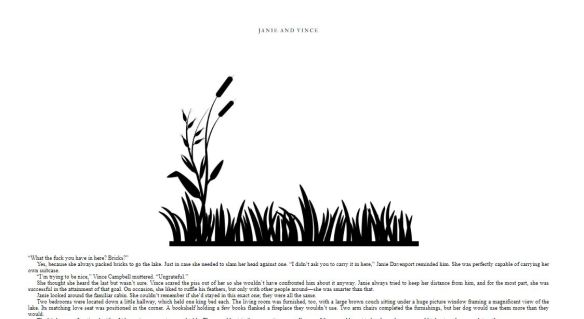
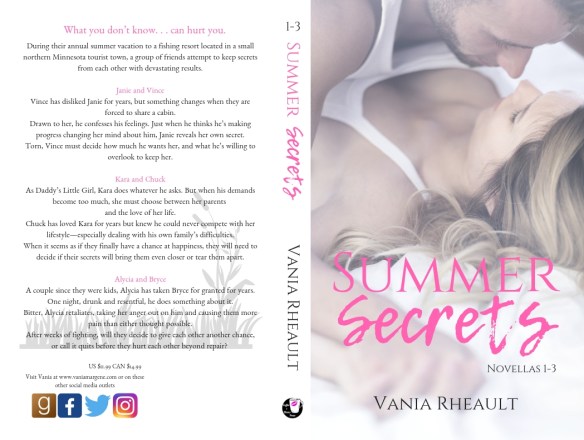
Vellum even allowed me to add the pretty chapter starts to Summer Secrets that I tried to do the first time around. I was too new and lacked the experience to insert them using Word and CreateSpace.summer secrets chapter starts

I also carry that image onto the back of my paperback books, and I’m really proud of that, too.

Summer Secrets Novellas 1-3 New Cover

But when it comes down to it, should you take the time to offer more content? Could that time be used to make another editing sweep, or start a new book?

Readers may appreciate the extras, but only if they enjoy the story.

The book’s recipes won’t matter if your baker’s story falls flat (pun intended) and your reader doesn’t make to the end to see them.

What readers want is a good story that pulls them in, and characters they’ll grow to care about.


As a side note, while I was typing out this blog post, I came up with another reason why indies don’t want to offer bonus content to the backs of their books.

Indies focus on a CTA, Call To Action. Indies want their readers to leave a review, or sign up for a newsletter, or buy the next book. Back matter is valuable real estate, and I don’t think most indies format their books with a lot of gunky back matter to get in the way of their important call to action.

And for what it’s worth, you need to be careful how much extra “stuff” you put backBe careful when considering adding bonus content to your book. there. We don’t hear much about the bookstuffers anymore, those pesky indies who would load up a Kindle file with 5-10 books to make a crap-ton of money with the KU page reads. But even if we’re not hearing about it much right now, it’s still happening. They know it takes a while for people to catch on to their new pen names.

Anyway, I wouldn’t want you think that offering bonus content was a fabulous idea and to get in trouble in any way for it. Offering a bonus novella in the back of your book, or offering the first half of a second book in a series, is too much. Put the novella for sale separately. Only add the first scene of the new book. It’s just a word of caution. Bonus content can be taken too far.

Please read KDP’s guidelines for adding bonus content.

While adding character profiles and outlines of the book before it came to fruition can sound like a great idea, keep in mind that as the guidelines states, it should enrich the reader experience.

I think that’s sound advice, especially since the reader experience begins with the story.

If you can hook them with a fantastic story, then all that extra content will be exactly that . . .

A bonus.

And maybe they’ll leave a five star review, too. Who knows?

My not so happy review of the Happy Book Reviews service

I listen to the Sell More Books Show podcast. I love listening to the self-publishing indie news they cover every week. Some weeks are lighter than others, but it’s a great way to keep up with all the changes in the industry.

The show is hosted by Bryan Cohen and Jim Kukral who are also hosting the 2nd annual Sell More Books Show summit I’m delighted to attend next year in Chicago.

Bryan does a lot for the indie community. He’s published several non-fiction books including How to Write a Sizzling Synopsis,  a book I recommend regularly, as I use it every time I need to write a blurb. He also runs a business based off that book, in case you ever feel like you just can’t write another synopsis.

Jim Kukral also does a lot for the author community: creator of Book Marketing Club, he also founded and curates the Happy Book Reviews website.

I went into the brief history of these gentlemen because I trust them and I admire all the hard work they do for us indies.

But sometimes things don’t work as well as they could, or should, and Jim’s Happy Book Reviews is one of those things.

feedback-2800867_1280

As indies, we all want those five-star reviews for our books. 

At $25.00, he promises to put your book in front of thousands of readers who want to download your book for free and leave a review. This sounds great! At this low fee, my book was available for twenty-five downloads on a first come, first serve basis, to people who would read it and review it with no obligations for me to do the same.

It really could be a boon for us authors who need reviews for that social proof we’ve written a good book.

But my enthusiasm waned the moment I received the email that contained the newsletter that featured my book.

In the whole month my book was available for download, my book was downloaded twice. Yep. Twice. Out of twenty-five copies available.

There were, in my opinion a few reasons for this:

When you sign up, you’re encouraged to sign up for the newsletter. This seems like a no-brainer because you want to see what your book looks like in the newsletter. But as my friend Aila points out–if all the recipients of the newsletter are other indie
authors . . . writers don’t read. If they do, they are helping out their friends by beta-reading or acting as a critique partner. Jim promises he’ll put your book in front of readers, but I suspect that what he’s doing is putting your (and my) book in front of a whole lot of indie authors. Who don’t read other indies, at least, not for pleasure.

The first email went into my Promotions tab and not my inbox. You can fix this, of course, but how many emails do people miss because their email marks the newsletters as ads? (Which, technically, they are.)

Happy Book Reviews will take anything. I’d never speak negatively about someone else’s work, but I have to admit, I was appalled at the company my book kept. I try to be professional in all ways. And while my books may look indie (there’s really no help for that no matter how good you are) some of the books featured in that newsletter looked downright cruddy. Jim will accept any book when what he should be doing is vetting them. While the information isn’t available to me, I wonder how many readers unsubscribe when they see the lack of quality in these books.

quality control

Someone needs to be in charge of quality control


**I can understand why he doesn’t do this. Jim and Bryan frequently talk about gatekeeping and I realize Jim doesn’t want to be in the position of determining what is “good.” But I don’t think this is any different than any other promo site where they only allow in quality books. They have a readership to keep happy, and offering them schlock is not the way to go about it. Someone, somewhere, will always play God, and with the products and services Jim, as a book coach, offers, he’s in a better position than some to determine what is “good.”

Only the blurb is available. I know it would take up more space or cost more to send it out the newsletter, but it would help if a potential reader could read the first couple pages of the book they’re considering downloading. It would have helped me avoid the boring contemporary romance I downloaded 1) because I wanted to try the service myself and 2) the cover and blurb looked okay.

The newsletter isn’t broken up into genres. My book sat next to children’s books, paranormal romance, thrillers, and history books. If he could separate the books into genres that could help readers find the books they like. I had a positive Freebooksy experience because of this.


The time for my book has run out, and there’s no time limit for those two people who have downloaded my book to leave a review. So I’m not even sure if those two people who downloaded my book will come through. But $25.00 for two reviews is too much.

I know why Jim will never do any of my suggestions–it’s too much work. He’s a savvy businessman, and I’m sure these suggestions have been brought up to him by other people in the past.

But it must work for some authors, or he’d close down the website. Everyone who uses his service can’t have the experience I did, or his inbox would be full of complaints.

Maybe I’m a black sheep, but somehow, I don’t think so. Wherever He Goes is a solid book. Anyone who reads the first page knows I don’t head hop, I don’t have any typos, and my inciting event happens on the first page of the book. Not Chapter 4.

Unfortunately, I do not feel like my book fit in with the others featured, and unless he makes changes, I won’t be using his service again.

You may have a different experience, and at $25.00, it’s a cheap risk. But I’m also aware that $25.00 could buy you two paperback books, five Starbucks coffees, or could reimburse a beta-reader for her time. If you’re poor, $25.00 can go a long way, so you’ll have to decide if it’s worth the risk.

My blog is about my experiences with the services offered to indies, and my adventures in publishing my books. I want to help. This was my experience, and unfortunately, it could have been better.

I’ll still listen to the podcast (and I encourage you, too) and I’m looking forward to the meeting Jim at the summit.

But the Happy Book Reviews feature isn’t for me, and I wish you luck if you decide to ever give it a go.

Whine a Little . . . Over There

There’s been lots of whining on Twitter lately. More specifically, authors whining about not seeing books sales. Even more specifically, authors not seeing their books sell.

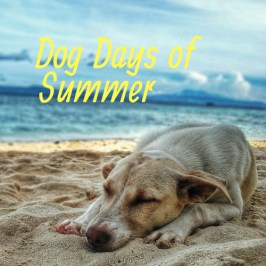
Maybe it’s because we’re in the dog days of summer, or people aren’t looking forward to school starting, or the crap we’re all going to have to deal with when THE HOLIDAYS start in full-swing October first.Dog Days of Summer

But whatever it is, it needs to stop. Because YOU, and nobody else but you, can make sales happen for your book.

Mostly, this is on Twitter. I can say it louder for the people in the back. TWITTER ISN’T FOR SELLING BOOKS. If you’re a member of Writer Twitter, you’re a member of WRITER Twitter. There’s a reason why it’s called that. Because we’re writers. Join READER Twitter. It’s gotta be there somewhere. Maybe #amreading is wedged between #IhateTrump and #turtlesareweird. If you’re convinced Twitter is the only way to sell books, or it’s the only way you want to try, break into the #amreading crowd. Or try. I’ll leave a light on for ya.

But if you want to take stab at moving books instead of whining about it, explore these ideas. First though, you need to take a look at your book.

  • Cover needs to be decent. Needs to depict the genre, needs to fit in, but stand out (in a good way.) Join an FB cover group and get some critiques. Taking a second look at your cover and if it’s not up to snuff, fix it. It’s killing your sales before they start.
    Books to consider:

    Cover Design and YOU!: Dos, Don’ts, and Choices
    Why Does My Book Not Sell? 20 Simple Fixes (Writer’s Craft)

  • Make your blurb awesome! This is easier said than done. Bryan Cohen is great at this. He teaches webinars and he runs a business doing this. And he makes very good money doing it. But he shares his knowledge, so don’t just moan you don’t know how to do it. Read about it. You’re a writer. Research. Here’s his book. He breaks it down so you can do it, too. With his guidance, I write my blurbs in half an hour. Here’s a Book Description Critique with Bryan Cohen hosted by Reedsy. Watch it.
  • Make sure you have a decent title. No one told me this before I published, and now my very first book has a stupid title I can’t change because I don’t want to waste the money I spent on my ISBN number. If you don’t have any reviews and didn’t purchase your ISBN number, you can change your title. Changing your title and ISBN number will lose you reviews so if you only have one from your best friend Angie, she’ll probably post it again if you republish with a better title.
    Grab some ideas from Dave Chesson; he’s got some good ones.
  • Make sure your “look insides” (first sample pages) are decent. This can make or break you if all the other parts about your book are spot on. If you don’t have a solid POV, if you have typos, if your formatting is messed up, the best cover in the world won’t save you. Try to get your hook within the first few pages of your book so it’s included in the look inside. Turn that browser into a buyer!

Now that we covered that and your book is up to par, you’ll need to ask yourself what you’re doing to help your book sell. Tweeting every day isn’t going to help. So what can you do to spike sales?

  • Are you spending any money?  You have to spend money to make money. I’m not kidding. Lots of people are like, “I don’t have any money to put toward selling my book.” Then you’re not going to sell your books. No business has ever opened that didn’t need seed money. Investors. Start-up money. You buy stock for your shelves, you fork over for rental space. You pay for wages for your employees before you’ve even sold one thing. Your book isn’t any different. Nobody ever went into business for themselves because they needed money yesterday. Starting a business is a lifelong endeavor. What can you put your money toward?

    *Pay for promos. I spent 80 dollars to give away 4,000 copies of Don’t Run Away in a free book promo for FreeBooksy. It got me some reviews, and lots of KU reads for the whole trilogy. I made my money back and then some.

    *Pay for giveaways. Goodreads did away with their free giveaways but because you have to pay, the market for giveaways isn’t so saturated. People have debated as to whether or not it’s a good thing, but I think it is. I haven’t tried them yet, but in the spirit of trying one new thing with each new release, I’ll be trying it when I publish All of Nothing this fall. Read about them here.

    *Pay for ads on Amazon. This isn’t as scary as it sounds. I’ve been blogging about my experience. It won’t break the bank to give it a try, but it’s important to do it correctly. Brian Meeks has a wonderful book about it. Amazon changed the platform a bit, so his instructions are already outdated even though his book is only a year old. But his advice is still as good as gold, and just as valuable.

    *Pay for ads on Facebook. These are trickier than Amazon ads. At least, I’ve read that they are. I haven’t tried Facebook ads, and if you don’t have the money to spare, I would suggest going with Amazon ads first. I’ve spent under five dollars experimenting with Amazon Ads. But if you want to try FB ads, again, do it correctly. Michael Cooper has a super great book about it. It’s important to try ads correctly, otherwise you’ll blow through money, claim they don’t work, and you may write off a great way to let people know about your books!

    *Pay for a blog tour. I used to hear a lot about these two years ago when I joined Twitter, but not so much anymore. You don’t have to pay someone to set up a blog tour, but if you pay a legit person they’ll know the best blogs to submit your book to. I’ve never tried one of these. They’re time-consuming. Either you have to fill out an interview sheet or compose a guest post for that blog. If you’re doing a full tour, that could consist of anywhere between 5 to 20 or even more blog sites. That’s a lot of guest blogging and interviews when maybe you should be writing your next book.

    *Reviews. If you do this in a legitimate fashion, this can be a coup for you. I have not tried it because the service I wanted to try distributes the books to readers through BookFunnel and that goes against KDP Select’s terms of service. I pulled Wherever He Goes out of Select to try this review service, and it comes out September 3rd. It wasn’t doing well in KU anyway, so I didn’t see the harm in trying. I’m going to try Happy Book Reviews. I’ve heard good things and so-so things about results. But if you have a good book with a good blurb and good cover, and the plot/genre isn’t too weird, you may get good results. Give it a shot.

  • Are you writing more books? The best marketing you can do is release new books. Lots of debate on quality versus quantity, but if you just can’t scrape up the cash to put toward your book’s promo, at least writing and releasing is free. *As free as you can get without spending money on cover, editing, etc. I’ve heard you drop off the Amazon algorithms after three months, so you want to release something every three months. Try releasing tie-in novellas. Or just dig in your heels and write the next book. I see lots of people trying to build careers on one book, and that only works if you write a non-fiction book and your career is already based on that book. Readers expect more from you. Keep them happy.
  • Offer to guest blog on other people’s websites in your genre. Ask “up.” Someone in your genre who has more followers than you. Someone whose website gets a bit more traction than yours. This is where your tweeting should come in handy–you’ve made connections, don’t be afraid to ask. Most people would love to host a guest blogger. It frees up their schedule for the week. But make sure your book is up to snuff or they’ll turn you down. And be prepared to giveaway a book. That seems counterproductive to sales, but lots of bloggers want to reward their readers for showing up.
  • Think local. Ask your town’s newspaper’s lifestyle section to do an article on you. If you have local small magazines, ask them to do a profile. Ask your indie bookstore if you can do a signing, or if they’ll sell your book. Heck, maybe get together with a couple of indies in your area and ask Barnes and Noble if they’re willing to do an Indie Night. Asking is hard. We’re introverts at heart, but even if the answer is no, at least you can say you tried.
  • Take a hard look at your book. Besides the cover, the editing, the blurb, the title, ask yourself, is this something someone would want to read? Especially if this is your first book. Indies like to experiment when they’re starting out. We’re finding our niche; we’re finding our passion. Experimenting with your hamster detective series is cool, but can you get sales? Maybe not. So take a hard look at your book before you throw money at it. It may not do any good. And that’s the sad truth. If you can be honest with yourself and say yes, my book has readers, all I have to do is fine them, then good luck!

Whining about lack of sales isn’t going to help you sell books. After a while it becomes annoying, and you end up tarnishing your reputation. If your first book isn’t working, then move on. Write something else. Write something better. We get better at our craft with every book we write.

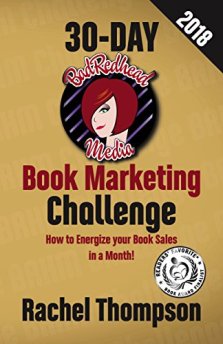
book marketing challengeRachel Thompson says we don’t get traction with our careers until we have at least 6-10 books under our belts. As the self-publishing industry gets more competitive, that number may get higher. If you’d like to read her awesome book about marketing, you can look for it here.

Book sales are subjective. What works for you may not work for someone else.

The best advice I can give you is write well, and publish often. Stay consistent. Build your brand on a genre you love to write.

Sales take time.

Have patience, and good luck!


buy image for blog


When Do You Recommend Your Friends’ Books?

The indie writing community is very tight-knit. Make one of us mad, we all get mad. I think Faleena Hopkins figured that out quick enough. We support each other; we help each other. We do free things for each other: cover help; editing; beta reading.

We even do some naughty stuff like review trading.

We tweet each other’s books.

Lately, there have been a couple of people asking for book recommendations from indie authors. They want to start a list on their website, or they want to start reviewing indie books.

There were lots of tweets, as you can imagine.

And there was something that surprised me, but I guess it shouldn’t have. Someone was recommending books they haven’t read. How do I know this? For one, I know she doesn’t read indie. Two, she’s a very picky writer, and I don’t think she would have recommended these books had she read them. (That is a polite way of saying they could have used more editing.)

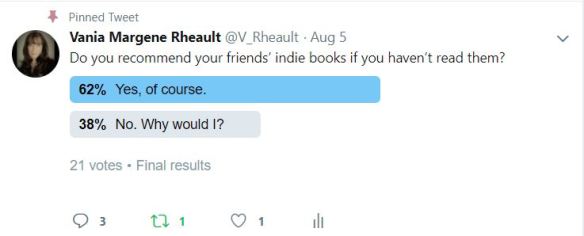
This made me do one of my super researching techniques: I ran a poll on Twitter. While the participant number was low, the results still stunned me.

indie books

I’m trying to figure this out because this bothers me.

Why would you recommend a book to someone if you haven’t read it? Would you walk into a bookstore, grab any old book off the shelf, and tell your friend it was fabulous and a must-read? Of course not.

This seems to be an indie-only thing, like not full-justifying your margins in your books when you format or adding your cover designer to the book’s contributors when you publish. Indies start stuff traditionally published authors don’t do. And the more indie authors do it, the more it becomes acceptable and the more newbie authors do it.

Of course I want to support my friends. But we all know indie writers don’t read that much. We might beta read, or be a critique partner, and that’s fine. It’s a little different in that I would assume the published book is different from a draft a beta or CP read. But at least you know the gist of the story, know if the book has proper punctuation and grammar.

At least you know the story makes sense.

But what are you doing to your own credibility if you recommend a book to someone you haven’t read and that someone takes you seriously? What if that someone takes a peek at the look inside on Amazon. What if that book has no established POV, or doesn’t have a good hook (AKA boring as f*ck)? What if the formatting is messed up, or has typos in it? What if the first paragraph head-hops into five different heads?

There were a couple comments in that tweet thread that asked the question: Who doesn’t read their friends?

Well, quite a few if my own track record is anything to go by. I can count on one hand the number of my friends who have picked up Wherever He Goes and read it cover to cover.

And if you want to ask me what indies I’ve read in the past few months, I can say one. And it was someone I edited for back in February. Otherwise, I’m busy writing or reading craft books, or reading trad-pubbed romance books. I don’t read indie simply for the fact that most of my friends don’t write what I like to read–contemporary romance. And then another reason I don’t read indie much anymore is if they find out I’m reading their book, they expect a review. I won’t leave a bad indie review. I won’t do it. So I don’t want my friends to wonder where their review is because there won’t be one if I don’t like their book.

Given those reasons, I rarely recommend indie books on Twitter. I recommend how-to publishing books or marketing books. I recommend trad-pubbed books that do something well that could be used as an example to my fellow writers.

I think it’s great that we help our friends. But if we want to help our friends, we should do it in a different way. Pass along promo sites. Recommend books you’ve read on how to do proper Facebook ads or Amazon ads. Marketing your friends’ books is not your job.

Sure, I’m flattered when someone posts a picture of my book on Instagram, or tweets about it. (And yeah, less five people have done that for me anyway.) But I don’t expect it and I don’t ask. My readers aren’t on Twitter. They aren’t even following me on Instagram right now–I got sucked into the writing world there, too. {KT Daxon is a good one for this, and I have to give her credit where credit is due. She does a great job of promoting the books she reads, and she truly does read the books she says she does.}

I would only recommend books I’ve read. It’s honest.

And you want people to be able to trust you, not question your taste.

Not question how good your books are.

I know this blog post sounds like I don’t think indies can write and publish good books. That’s not the case. What I am saying is that some indie books could use more editing. And I understand why indies don’t. It’s expensive and time-consuming. Waiting for an editor to get back to you is like sitting on pins and needles, and then you have to put in all the edits once you get them back. A total edit could push your pub date back by several months. But let’s not pretend that indies aren’t impatient, and rushing to publish is a mistake a lot of indies make.

This reminds me of the trad-pubbed writing community. I’m exposed to a lot of YA on Twitter and Instagram. It seems like a lot of YA authors do read other YA authors and tweet about their books and support each other. Being trad-pubbed is like being in a club, and those authors have each other’s backs.

Romance writers are the same way:

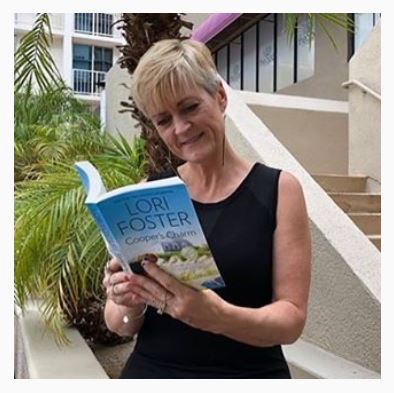
lori foster brenda novak

Here’s Brenda Novak reading Lori Foster for a book club Brenda is going to hold in her Facebook Author Group.

That’s real support. That’s real networking and collaboration.

There’s lot of bad things to say about the traditional publishing industry, but this isn’t one of them.

Let’s support our friends the right away.

Read the books you’re recommending. Because reading a book and having a discussion about the book with its author would mean a lot to the author, and a tweeted conversation about a plot twist or an evil character is true promotion.

Do you have any good reasons for recommending books you haven’t read? Let me know!


Blog book promo for the end of blog posts


My BargainBooksy Ad from last month. How did it do?

Well, apparently, not very well since I forgot to post the update. This time, this ad was a paid ad (meaning, my book wasn’t free), and I set the price of Wherever He Goes to .99. I thought, a dollar for a book, that’s pretty good, right? Heck, I spent three months working on it, I figured a dollar was a good price.

The problem is, with doing these ads, you just WON’T KNOW why your book doesn’t sell. It could be the cover, it could be your copy. It could just be that no one wants to pay. You never know.

So, in total, I sold 40 books on the day the newsletter came out and a couple days afterward. That is nothing compared to the 4,000 books I gave away during my Freebooksy ad I did back in February. You can read about that here.

june sales for bargainbooksy ad

As far as KU page reads are concerned, you can see that the newsletter created a bit of a spike, but nothing to write home about. And this is only for Wherever He Goes. My trilogy is still getting a few page reads, but I wanted to see what my ad would do for Wherever He Goes, and unfortunately, for 80 dollars, not much.

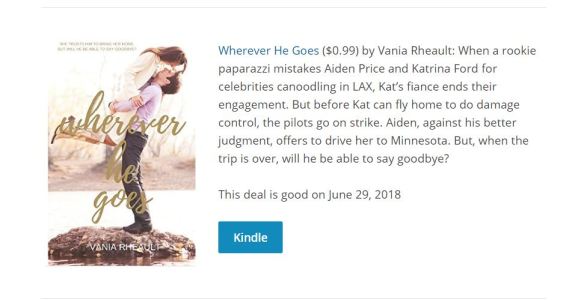
Here is what my ad looked like in the newsletter:

bargain booksy ad

Would I do this again? I haven’t made back what I spent on the ad, so it will be a while before I try something like that again.

What I need to focus on is getting reviews, but for using any legit reviewing services, I need to pull my book out of Select because the one review service I contacted distributes the books through Bookfunnel. Amazon considers Bookfunnel as a distribution platform and will yank you out of Select if they catch you using it.

For my next book, I’m going to place my book with a review service first, before putting into Select and see what happens. Hopefully, if I get some decent reviews that way, readers will give all my books a chance.

And I think if I ever do another promo with Written Word Media (Freebooksy/Bargainbooksy) I’ll do the free one, since I kind of feel like I got more bang for my buck. At least, it sounds better to say I gave away 4,000 copies than say I sold 40. It would be great if any of that had turned into reviews, but so far nothing significant on that end, either.

But, that is my experience with Bargainbooksy, and if you’ve tried them, and have gotten better results, let me know!

Thanks for reading!

Blog book promo for the end of blog posts


What People Don’t Tell You About Blogging

What people don't tell you about blogging.


When you first start out writing, or want to be writing, or want to be publishing, or whatever it is you want to do to sell books, poems, short stories, non-fiction, people tell you to blog as part of your platform. And that’s all fine and good. Blogging is fun, you’ll build an audience, a fan base, and your content will sell like hotcakes because they like your free stuff.

But then the questions start popping up. Where do I set up my blog? What do I blog about? How many times do I have to blog, per week, per month, per year? Where do bloggers get those awesome graphics? Are they expensive, do you have to make them yourself? How much are the pictures?

In my last blog post, I wrote about my lack of time, and I said I would give up blogging to write. Blogging is writing, but I don’t see it being a huge moneymaker some blogs can be. I don’t do affiliate links, I don’t support advertising on my website. Partly because I’m not popular enough to make any money from it, and partly because I don’t want to be known for my blog. I want to be known for my books.

But if you haven’t blogged yet, or need some tips to get your blog on track, here are a few that I’ve picked up, and a few that I’ve read about. Maybe you can turn your blog into something amazing!


Figure out who you want to blog for.

I blog for indie writers. I blog about non-fiction books I’ve read and liked, editing tips, publishing tips, formatting tips, making-your-cover tips. If it has to do with indie-publishing and writing, I’ve probably at some point blogged about it. And so have countless others. While we’re humans with different experiences, thoughts, and feelings, you’ll be hard-pressed to find something in this area no one has written about yet.

What people don't tell you about blogging. (1)

That said, I wish I would have started blogging for readers. I would have blogged for my fans, my people who love my books. The problem is, when I started blogging, I didn’t have a book out yet. Was that detrimental to writing for my readers? Not really. I mean, your readers will want to know where your ideas come from, maybe how long it takes you to write your book. They like the cover reveals. And maybe if you’re prolific, you have a lot to write about. The problem with blogging for your readers, however, is that all that you’re blogging about should go into your newsletter. There is only so much content to go around, you know? At any rate, it doesn’t matter who you write to, as long as you make the choice and know what you’re getting into.


Decide what you want to blog about.

I’ve read that when you blog, you need to choose 3-5 topics and write about only those. Always. Your readers follow your blog for a reason. If you write about publishing tips and news, then your readers want that. Not your thoughts on Trump, or the rogue blog post about how sick your kid is. While I’ve been accused of not being personal enough, do people really care that I had a crappy day and didn’t get my words in? Maybe if I can turn it into a post about productivity even when you’re not feeling well. But no one cares if I have a cold and I watched six episodes of Castle while I ate a gallon of ice cream. Begin as you wish to continue. If you want a lifestyle blog, then find an audience for that kind of a blog. I know for me, (and I know everyone will like different things) if you get to personal one too many times, I won’t read your blog anymore. Not when I follow your blog for tips on publishing, your own experiences, what you found out, if you stumbled upon any shortcuts. I started your blog because I was interested in that. I don’t have enough time in my schedule to care if you had to take your dog to the vet. Sounds harsh, but I don’t care. I read blogs to further my own career. Write your blog assuming that of your readers as well.

What people don't tell you about blogging. (2)

***A quick word about turning your blog into an indie book review site: if you decide to do this, and you decide to be honest in those reviews. Be prepared for backlash. Posting a negative review of a peer’s book is never a good idea, and rarely can you find an indie book where you will have nothing bad to say about it. A good rule of thumb would be to have a policy such as, if a book would have gotten less than three stars, then don’t review it. It’s a personal choice that can come with big repercussions if you upset one too many people. On the other hand, if you only give out 5-star reviews and you’re reviewing crappy books, your credibility will tank. Fast. Trust is hard earned. Don’t lose it. You may never get it back.


Find a spot. 

I use WordPress because I like being part of the network. I don’t self-host, I let WordPress host my site because I don’t care about all the little extras you get with your website when you do that. I pay for my website address, and I pay for, I think, the business package so I can use some plugins. But if you don’t want WordPress, you can do Blogger, or Squarespace. My friend Aila did a great blog piece on Wix. WordPress was easy to set up, so I’ll recommend that. Plus the free templates WordPress make it easy to switch up your look when your site gets stale. As you add content (write books) it’s easy to add to your website. WordPress has been able to give me what I need, but it doesn’t matter where you blog. Just get an address and start producing content. Then tell everyone on social media about it.


Decide on consistency. 

The reason your blogging is to get your name out there, build your writer’s platform, attach a person to your brand. The more you blog, and the more people who read you, the easier it is to find you. When you Google “Self-Publishing Help” Joanna Penn’s name comes close to, if not to the very, top. Eventually, you want to get up there. Self-publishing help, top fantasy writer, the most popular romance writer. Whatever people search for, you want to be close to the top. This can take years and years and years–I think Joanna’s been blogging since 2008. She has every right to be at the top. But you want to at least stand a chance of being found in a search. That means blogging good content, consistently. This is easier said than done. I’ve heard advice to blog as much as you can when you’re first starting out. Every day if possible. Then when you start to have a following, you can ease back. I try for twice a week, but lately, I’m lucky if I can do twice a month. Even if you blog four times a month, always post on the same day so your readers will get to know your schedule and know when to look for new content. Do I do this? No. Should I? Yes. Do my blogging friends do this? Yes.

What people don't tell you about blogging. (3)


Where the hell do you get all those cute graphics?

Probably the best place for graphics is Canva.  Canva is cool. Just choose the size of the graphic you want, slap some text on a photo and there you go. Awesome. Canva has some great photos free to use, and I also use Unsplash, Pexels, and Pixabay. You may not be using the photos for anything, but I still try to make sure the photos I use are free for commercial use. It just takes the headache out of it, you know? If you want to see how I used Canva to pretty up some blog posts, look at my interview with KT Daxon. I made those quote graphics in Canva using quotes from her book. Also, see my interview with Aila Stephens. I made those graphics with the cute pictures of macarons and looked up the quotes to slap on them. This leads me to my final point:


Figure out how long you want to spend doing this.

I can’t concentrate on anything for too long. I’ve been going back and forth between Facebook and Twitter. But being distracted didn’t do me any favors, and I’ve already put two (okay, three because I went to the kitchen for a snack) hours into this blog post. And I haven’t prettied it up with graphics yet. You need to, because studies have shown, (no, I’m not making this up, but I’m not going to dig for it for you, either) that people consume content better when it’s accompanied by photos. You want to break up long-ass paragraphs of text anyway, so might as well add some pretty stuff to it. A lot of my blog posts come off as book reports, or just reports, heavily researched and referenced. There’s not often I don’t add a few links to someone else’s blog post. That’s a boon for you because you add valuable content to your blog, and it’s great for the other blogs because you are driving traffic to their sites as well. The blogging community is much like the writing community. To get any traction, you have to read others’ blogs, comment, and share. Once you start to get going in that, you’ll have others do the same for you.

What people don't tell you about blogging. (4)


Blogging can be fun, but it can be a drain. It can be discouraging when you feel like no one is listening to you. I’ve been at this for a while, and I still don’t feel like I reach many people. If you only have so many hours in the day, you’re better off writing your books. Chances are good if you start a blog in hopes for a book deal, it’s not going to happen. Blog because you want to, because you want to help others, because you want to share your writing journey. Blog because you want to be included in the writing community.

I’m going to bed now.

Until next time!

Important Reasons Authors Need to Think About Blogging by guest @kikimojo

3 Reasons Why You Should Be Blogging

Why You Should Start a Blog (Even If You’re Not a Writer)

Deciding What’s Really Worth It

Because of some personal circumstances, I went back to full-time work a couple weeks ago. To say that I have not adjusted well is an understatement. I don’t want to sound whiney, like a little kid being made to do something she doesn’t want to do, but it’s definitely a rude awakening when all of a sudden all the writing time I’ve enjoyed is gone.

I know most, if not all, my adult writer friends also have some kind of full-time job, and many of those also add small children to the mix. There, at least, I am fortunate. My son is 18 and will be graduating from high school soon. My daughter is 12 and as soon as she comes home from school, she runs and hides, all her energy gone from putting up with her peers all day long. But that doesn’t mean I don’t have laundry to do, dinner to make. By the time I have a free moment, I am spent. Not maybe physically, but emotionally, all I want to is mindlessly scroll Twitter until it’s time for bed.

So, lately, I’ve been exploring what I can give up, and what I want to keep, in order to have the time and energy to keep writing.

office-620822_1920And it’s more than that, too. I consider myself an indie writer, publisher, marketer of those books. That means staying on top of publishing trends, practicing writing, reading about craft. I just finished Stephen King’s On Writing. There is always something to do when you are an indie writer: build your platform, market your books, run ads.

What do I do on a daily, weekly, monthly basis? Let’s explore:

Daily:

  1. There isn’t anything that I do absolutely every day, except be on Twitter/Facebook (and I can’t even claim I post regularly on my FB author page, either!). I enjoy it, and I follow influencers, top people in the publishing industry. Agents, editors, other writers. It’s easy to write this off as a time waster, but if you follow the right people and use it for more than watching weird gifs, it can be a great networking tool. I’m fortunate to have the account I do, and for that reason alone, I like to try to keep up with it. I have a lot of friends and support on there. Sometimes I do fall behind, and for that, I apologize.
  2. I should add writing to this, but for the most part, I can’t. Sometimes I am physically unable to write. Lack of time or whatever, sometimes I just can’t. It doesn’t help that right now I am formatting and creating my cover for my current novel. Any free time I have is going to that just to get it done. I’m tired of looking at it, and I would love to start a new book.


Weekly:

  1. Listen to podcasts. I try to keep up with these as they come out. To give myself a podcasts-2633018_1920two-fer, I try to go for walks as I listen, to get my exercise in. There are two that I absolutely love: The Sell More Books Show and Print Run Podcast. The Sell More Books Show talks about indie news, and I keep up on a lot of things going on in the indie-publishing world. Print Run is run by an agent and editor out of Minneapolis, and they talk about the traditional publishing industry. They’ve opened my eyes to a lot of things, and to their credit, they are candid about their jobs. Others that I try to listen to:

    a) The Science Fiction and Fantasy Podcast. I don’t write fantasy, but a lot of the guests on there talk about their marketing strategies that can work for everyone.
    b) The Creative Penn. Joanna runs a great podcast and keeps you updated on everything from indie news, craft, author interviews and more. At this point, she’s a staple of the indie writing community.
  2. Write. Finally, I can put this on the list. I would go nuts if I couldn’t write. Even when I have to write longhand at work, it’s better than nothing. When I was working part-time, I could write 5,000-10,000 words a week. Especially if the story was going well. Now, well. I haven’t been working long enough to fall into a routine to see how far I can push my limits. And now with summer coming, I just don’t know. All I can do is my best, and so far, I feel like I am failing miserably.
  3. Read craft books/editing books. Being I can read at work if it’s slow, (no internet/computer/device access though, that’s why I buy my books in paperback) I can read a lot. I read Stephen King’s book in two days. I read lots of books, which is a major boon for me. It’s harder to write at work on certain days since a) I can only writing longhand and 2) if it’s busy, I lose track of what I’m doing and my writing becomes choppy. It depends on the day, and what calls I’m scheduled to take. Weekends are better for writing.


Monthly: 

  1. Blog. My blogging schedule leaves a lot to be desired. Some of my most dedicated arms-3404941_1920friends will crank out two blog posts a week. I can’t do that. Not only do I not have time, Good Lord, where do they find the content? I’ve added book reviews to my blog schedule (of craft and other non-fiction books) just to add some filler. But contrary to what others say about how important blogging is to your platform, this is the one that I let slip first.

  2. Helping others. Sometimes I’ll edit for free for someone just because I know how hard it is to find help at a reasonable rate. While I limited that to once maybe every three months, or when I come across someone who really needs the help and have nowhere else to turn, I fear I may not be able to do any of that anymore. Which saddens me, because I really enjoyed it.
  3. Author interviews. I don’t do this often, but this falls into blogging, and while it might be easy to email questions, formatting the answers into an enjoyable blog post (see my lovely interview with Aila Stephens) can take a lot of time.
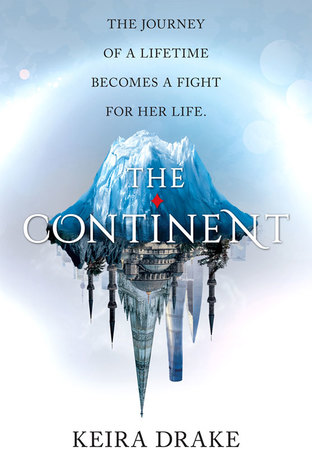
  4. Spend some time on Goodreads. I try to add all the books I’ve read to my shelves, and give a star review, even if I can’t write a quick review on there. Sometimes I’ll try to copy and paste the review I write for my blog into the review on Goodreads, like I did for The Continent.


So, obviously, as an indie writer, you need to make time to write. If you’re not writing, you’re not doing much of anything. But if you are writing and publishing, it’s hard to figure out what you can drop since you’re running two or three businesses single-handedly while working a job and raising a family.

business-3385079_1920What could I drop? Blogging, probably. I blog for indie writers, and well, indie writers don’t read indie books. That is not where my audience is, and it was one of my mistakes when starting up my blog. I could give up Twitter, but it’s my main source of writerly companionship. Sometimes I don’t walk as much as I want to, and that’s sad, because MN weather is really nice right now, and I don’t want my podcasts to pile up (when I don’t walk, I listen to podcasts to make the chores and errands go a little bit faster).
This probably isn’t a good time to figure out a writing schedule since I’ve only been working full-time for three weeks, and in that time I’ve been editing Wherever He Goes and have moved on to formatting and creating the cover. I’ll have a more accurate depiction of how I can figure out a writing schedule when I start my next book.

All in all, I’ll just have to try to find some balance like everyone else I know. Pull up my big girl panties, and write when I don’t feel like it. Walk when I’d rather take a nap. Be careful not to burn out.

Lots of people seem to have a handle on it, and lots of people seem like they don’t, too. I’ll just have to look at this as a speedbump in my writing career. It’s not easy to think that way, since I write romance, and romance is notorious for the pressure. It’s not unheard of for a romance writer to publish anywhere from 5-10 books a year. I’ll never get to that point. Even if I didn’t have to work, at all. I’d never make it.

So, I’ll echo the advice I hear over and over, and something I have even told others: Find a balance. Do the best you can. Work with what you have.

It’s all you can do.

The Continent~~Book Review

This book has had a bumpy start. No one in the publishing industry or Writer Twitter missed all the controversy surrounding this book and the original ARCs people had been able to read last year.The Continent

While I acknowledge that, (I was not one who read an original ARC) those controversies and/or original content of the book are not what this review is about.

I admit I read The Continent primarily because Ms. Drake is a friend of mine on Facebook, and I was curious to see what the book was about. I’m not able to make comparisons between the original content and what was actually published, but I can say I thoroughly enjoyed The Continent.

The book is about Vaela Sun, a 16-year-old girl who is given a tour of The Continent by her parents as a birthday gift. The Continent is home to two peoples, the Xoe and the Aven’ei. Their history is filled with war and violence.

Tours of The Continent are made to view these peoples and their constant war, as war and violence in that extreme are a novelty to the people of the Spire, where Vaela Sun lives and has grown up.

During the tour, Vaela’s plane goes down. Though her parents and their traveling companions perish in the crash, she survives and must make a new life on The Continent.

Luckily, she is taken in hand by Noro, and he, along with his Aven’ei friends, welcome her.

The threat of the Xoe is never far, and we watch as Vaela tries to meld the peace she’s grown up within the Spire to the violence she must tolerate and learn in order to survive.

I’ve read of the racial issues this book supposedly (I say supposedly because again, I haven’t read the original manuscript) contained, and I witnessed none of that here. Race (skin color) of the people of the Spire, Xoe, and Aven’ei take distance place to the story.

We see Vaela lose one family, but with her strength and determination, and never a loss of faith that life can be better, we see her find another.

Vaela learns a lot of lessons during her time on The Continent. The past doesn’t always lay the groundwork for a pleasant future. People deserve second chances, no matter what they’ve done. And with strength and perseverance, something beautiful can always be found in something ugly.

This book is no different. Do not judge this book on what you know or what you think you know about its history.

The Continent is beautiful. It will make you laugh; it will make you cry.

And you will definitely want to find out what happens next.

Follow Kiera on Facebook, here.
Follow her on Goodreads, here.

And full disclosure, this is the 4-star review I left on Amazon. I was feeling a bit stabby and snarky, and a bit defensive on Keira’s behalf.
Enjoy!

This isn’t a verified purchase because I bought my copy at Barnes and Noble. (LIke you all should, if you don’t want the only remaining bookstore in America to close.)
Anyway, I’ve read the reviews, and this book ISN’T THAT BAD. There isn’t anything racist about this book, and there is not any “white savior” crap going on.
Vaela gets trapped there, okay, yes. And she saves those people, yes. But the fact that everyone is missing is, SHE FELL IN LOVE. She fell in love with Noro, she fell in love with his sister, Kiri, and she fell in love with the rest of the Noro’s people. She made friends, she became one of them. In the end, she was saving her own people.
There’s a lot of talk about her stupidity, and her naivety, but you know, most people who grow up with money are like that. And you can argue all you want against it, but Paris Hilton made herself a brand based on being spoiled, and the Kardashians are doing the same thing.
I’m not arguing that Vaela didn’t have a lot to learn, but her learning that the Spire was not all she thought it was, or that she finally understood she was a spoiled rich kid with an erroneous viewpoint of the Continent’s peoples, were part of the lesson, part of the character growth, part of the plot arc. She crawled to them and begged for help on behalf of her new family, and she was denied. It opened her eyes. And it made her grow up.
Anyone who complains this is slow–hey! It’s part of a trilogy. There are going to be unanswered questions.
Anyone who didn’t like it based on silly little things like, where did that Xoe Warrior find his orange?? How old are you? This is a YA novel. If you want a more complex plot, go read Sing, Unburied, Sing, or Lincoln in the Bardo, or Manhattan Beach. Those might be more up to your delicate sensibilities.

The Four Kinds of Indie Author

When I first entered the world of indie writers/publishing, I was dazzled. I thought anyone who published, published good books. I mean, I hadn’t been exposed to anything but traditionally published books, so of course, I was naive and not aware that with self-publishing, there isn’t a gatekeeper, and people can, and did, publish whatever they wanted.

garbage-heap-354510_1920

As I began reading indie, I realized there are four types of indie authors.

  1. The indie who writes poorly in an uncommon genre.
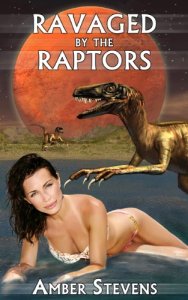
    To me, this is a double-edged sword of bad. And I’m not even talking about poorly written erotica–that’s a different category of writer. No, I’m talking about the poor writer who writes Bigfoot Romance, or anybody having sex with something that is not human, be it squids, dinosaurs, ghosts, aliens. Though alien romance is becoming more popular these days. Or other genres like a romance between a

    naomi-august-138149-unsplash

    I know, baby. It makes me sick, too.

    kidnapper and a hostage, or a specific kind of mystery/thriller where hamsters solve crimes. Not only is the writing bad, the genre is just as weird, and even if you, as a writer, could find a readership, your poor writing would turn them off. These are the writers who experiment and just throw up (literally and figuratively) anything they want. These are the writers who give indie writers a bad name, and without gatekeepers, they will continue to do so.
    Examples: Let’s not do that to ourselves, shall we?

  2. The indie who writes poorly in a popular genre.
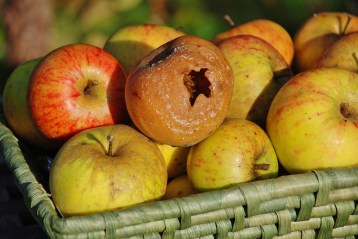
    This isn’t terrible. I’ve heard time and time again that a good story or good pacing can save a book in a popular genre. Readers are willing to overlook a lot if they like your characters or the storyline, or you have a great twist that blows people’s minds. In a popular genre, you can find readers, or at the very least, at some point, someone may bump into you. Readers may not put you on their favorite list, and you may very well lose readers even if elements of your story are fantastic. Life is too short to read crappy books, and readers are realizing this. Too bad these writers

    canstockphoto12471933

    One rotten fruit in the whole bunch.

    can’t/won’t give their careers more of a chance and find an editor. Even trade beta reading with some proofreading is better than nothing.

    Examples: Well, EL James is a good one. There’s no disagreeing her writing could have used better editing. But her storyline was good, her characters solid. If someone could have gone and deleted all her adverbs, reading her books would have been a more enjoyable experience.

  3. The indie who writes well in an uncommon genre.
    It makes me sad when I see writers do this. It shouldn’t because they are writing what they like, and that’s the whole point of writing, right? That’s my writing to market side coming out, and far be it from me to judge someone’s genre choice. Being a good writer will give you readership, uncommon genre or not, just

    rupert-britton-526882-unsplash

    Stand out!

    probably not as big if you write mainstream fiction. There’s always going to be someone who gets off reading your story about sex with dogs (pun intended) or your fabulously written story about forbidden sex with your brother. But one would hope that if you have writing chops, you branch out so more people can discover your talent.

    Examples: Let’s Do Butt Stuff. Of course I read this! I’m totally not afraid to admit it. *shifty eyes* Argh. Delilah Dallas has a decent voice. It’s a short story, and I read it all the way through. She could do well if she branched out into longer, maybe less weird, work. And I guess anal isn’t an “uncommon” genre, but it’s very niche and can be limiting.
    There was something else I read on Smashwords that struck me as good writing, and it was about a woman who had sex with her husband’s dog. I can’t find the author now, and after Smashwords went through and started being more strict with their erotica genres, they could have buried it. But the good writing stuck out to me, (no pun intended) and even after a couple years of stumbling upon it, I still remember the writing for what it was. And this story just goes to show that if she had written mainstream romance, perhaps I could have found it, maybe even recommended her writing. After all, I can’t tell someone how much I liked the writing if I can’t find it anymore.

  4. The indie writer who writes well in a popular genre.
    vsmilelx-627451-unsplash

    Being the same can have some advantages.

    You would think this is where every indie would want to be. You stand the most to gain writing well in a genre that has lots of readers. Of course, it’s also difficult to get recognized in a saturated genre, but if you can make a name for yourself, you’ll have readers for the rest of your writing career.

    Examples: Citing examples for this genre is almost unfair because most of these authors have done it for years. Lauren Blakely, Kira Blakely, Mark Dawson. You might mistake Lauren Blakely for a trad-pubbed author, but her paperbacks are published by CreateSpace, as are Kira Blakely’s. Both have made a list. You could almost do a study on what all they are doing, and how that has worked for them in terms of “making it.” Covers, prolific releases, etc. Consistency.  They both write romance.
    Mark Dawson is also prolific, and publishes his paperbacks with CreateSpace, pegging him an indie. But his books have been picked up for a TV series, and, yeah, he’s been able to quit his day job. He writes in the thriller genre.
    I’m sure there are lesser known indies out there who are starting solid careers writing well in a genre well-received.

In conclusion, you have to decide what you want for and from your writing career. You may not want to “make it” and are fine publishing naughty short stories about fish. Maybe you’ll have three or four people read your stuff, and that’s good enough for you. No one can define your idea of success except you. If you’re happy writing books that only your friends and family will buy because you’re not interested in . . . how do I say this without sounding judgmental or derogatory . . . if you’re not interested in putting in the work to do better, then that’s your choice.

There’s no excuse for poor writing. Learning your craft can only help you find more readers, no matter your genre.

Good luck you Butt Stuff writers!