What do you do when you publish a bad book? 5 Ideas.

Writing tools_ What can you do when you publish a bad book_

As indies, this is bound to happen. Hell, if you’re traditionally published, this can happen too. See my blog post on The Wedding Date.  (Spoiler Alert, I wasn’t impressed.)

As indies, we rush to put out content. Maybe it wasn’t edited the way it should have been, or maybe you didn’t catch a plot hole before you hit Publish. Maybe there’s more telling in there than you thought, or maybe you had some head hopping and you didn’t know you were doing it.

No matter what the issue is, you’re getting bad reviews. People don’t like your book. If you have more than one book out, maybe you feel like it’s not a big deal. But the problem is, if a reader happens along that book–they may not give you another chance to redeem yourself.
bad star reviews

So, what can you do?

  • First, admit your book still needs work. I see lots of people in denial over this. They don’t want to see the truth that their book was published before it was ready. It’s a scary and sad thing to admit. It’s especially heartbreaking when you thought it WAS ready, like The Corner of 1700 Hamilton. I had beta readers. I had an editor. It was as good as I could do at the time. But, now, after writing so many more words and getting better, it wasn’t that great. This can happen to anyone.
  • You can fix it. 
    This presents its own issues with ISBN numbers, and other little things like feeling like you’re ripping off the people who have already purchased it. Time is also a factor because depending on how big of a mess your book is, it could take a few months to rewrite, get it edited again, reformat it, and maybe redo the paperback cover if the number of pages changed. Fixing your book is almost as time-consuming as the launch.
    There is also the ethical question of is it right? Like I said, will you feel like you’re cheating the readers who have paid for your book? What if those reads resulted in bad reviews? Fixing it won’t make those bad reviews go away, and the only thing you can do is add to your blurb on your selling page that your book has been re-edited. This isn’t such a problem if not many people have bought your book, or you caught your mistakes before you started to promote it. This is the ideal scenario, but then you have to ask yourself if you’re going to pull it while you fix it, or hope that no one buys it while it’s in edits.
  • You can unpublish it.
    If your book really sucks, like, it should be hidden in a box under your bed with the dust bunnies and not the plot bunnies, then you can take it down. If you published a paperback, your book will always be there. Goodreads won’t take your books down. Bad books can linger, and there’s nothing you can do about it. I don’t recommend unpublishing. At some point you believed in your book enough to publish it. So deal with the consequences and learn from your mistakes.
  • You can write more books and hope you bury it. 
    If you don’t promote it at all, and never talk about it, there’s a good chance you can bury it. I’ve heard the stat bandied about that 50,000 books are published every month. That’s a lot of books, and it’s not so hard to think that if you never, ever, talk about your book, people will forget you wrote it. In fact, (and I know this to be true) you can soft launch quite a few books and no one will ever know you’re a writer if you don’t say anything.
  • You can leave it alone and start a pen name. 
    Starting over is hard. It means new social media. It means new business cards, new email. It means starting from ground zero. And maybe that’s your thing. Maybe that’s what it takes to feel better, have a fresh start. Lots of people write under different pen names. They abandon series that aren’t working. They want to write in different genres. They have no problem leaving the past behind. They have the time to make a new pen name work–and actually write under that pen name. I listen to  lot of podcasts, and this seems to be quite common. Letting the chips fall where they may and never looking back.
    This certainly is a viable option. If I ever get around to editing my fantasy books, I’ll release those under a pen name. That doesn’t mean I’ll be letting go of my contemporary romance name (which is my real name) but sometimes taking on a different name is smart. Can you do it every time you make a mistake with a book? Probably not. You won’t get anywhere. It’s hard enough as it is to make it under one name consistently putting out quality content. If you keep changing up your names because you keep making mistakes, that’s just wasting time. Time you may not have. As Mark Lefebvre says in The 7 Ps of Publishing, the golden age of Kindle is over. You can’t make a living publishing a couple of books. Making any kind of profit from your writing takes dedication and commitment. It takes consistency and quality work. You have to ask yourself, is the time it takes to let go of that book and start over worth it? Or is it better to take a month and edit the old book, and make it the book it should have been in the first place?


choice

The great thing about being an indie is choice. You have the freedom to do whatever you think is right for your business. And, if presented these choices you feel your book isn’t that bad after all? That is up to you. Promote it. See where it goes. In the scheme of 50,000 books a month, your book really may not be that bad. That’s your choice an author. Take the risk.

This same advice holds true for the authors who are not just publishing but querying. If you’re getting rejection after rejection, or the feedback indicates that your book just isn’t up to par, you have to decide if you want to keep hammering away, fix it, or if you want to put it aside and write something new.

It never ceases to amaze me how many first time authors think their book is wonderful. I was one of them. I learned better, and you will too. It’s what you do with that knowledge that will shape the rest of your career.


A long time ago I  listened to a podcast where the author talked about revamping his series because it wasn’t selling. I was new the indie scene, and I thought that just sounded so wrong. Unfortunately, redoing and rebranding books is an old practice and not just for indies. Traditionally published books have done that for their authors for years. I wrote a pretty in-depth blog post about it, and you can read it here. 

What are your thoughts on redoing books? Worth the time? Or is it better just to forget? Do you still promote your book even though you know it can be better?

For more opinions on what you can do with a bad book check out these links:

https://chrismcmullen.com/2013/09/25/unpublishing-republishing-and-updating-your-book/

https://www.thecreativepenn.com/2015/04/28/changing-book-titles/

https://selfpublishingadvice.org/why-i-unpublished-my-back-catalog/

Book launches, book anniversaries and other musings about three years of hard work.

This morning I was reading a blog post my by friend, Sarah. It’s her book baby’s birthday today, and she’s celebrating her book turning one! And while I admit I’ve never celebrated a book’s birthday–hell, I rarely announce a launch–her blog post encouraged me to take a look back at my publishing milestones.

I don’t have my publishing dates memorized or anything like that, so I’ll need to go on to Amazon and take a look:


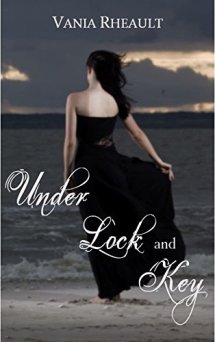
Under lock and key

I thought The Corner of 1700 Hamilton was my first book I published, but according to the dates, I actually published Under Lock and Key a week before on July 7th, 2016. It’s a novelette that I wrote from a writing prompt a dear friend of mind, Liz, tweeted one day. I haven’t read it for a long time, and no doubt it needs another edit. When I go wide, I’ll put it everywhere for free. It’s gotten some so-so reviews, but I can’t expect anything too great as it was the first thing I published.


the_corner_of_1700_h_cover_for_kindle

A week later, I published The Corner of 1700 Hamilton. This is a trainwreck of a book, as first books are wont to be. The original cover was horrible, and even with a beta reader and an editor, it still wasn’t up to par. Recently I went through one of my old paperbacks and edited both novellas, but I’m not sure if or when I’ll ever put them in. Even the “new” cover needs work,  but my mantra has always been “always look forward.” Having a sub-par book for sale doesn’t make me want to celebrate, however. So I may try to find time one day to fix it up.


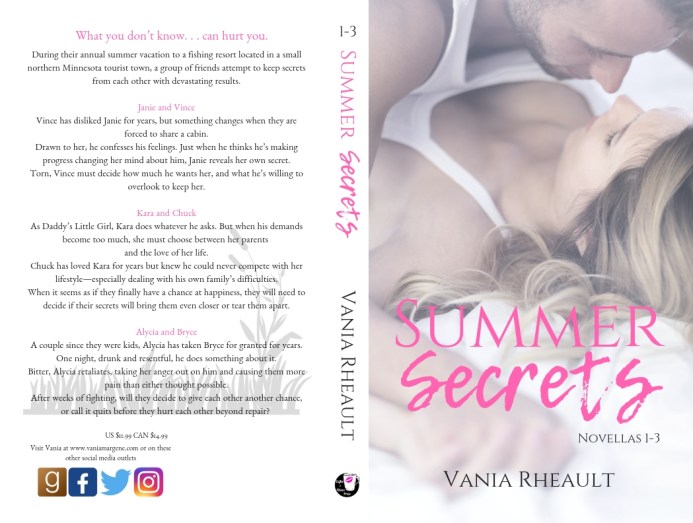
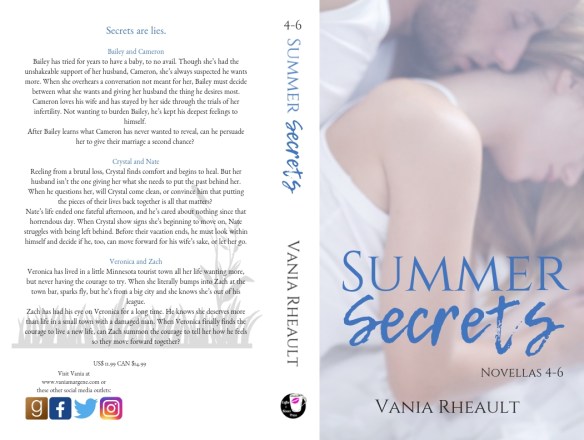
I was still in novella mode when I decided to try my hand at erotica, and I wrote six novellas back to back for a total of (approximately) 155,000 words. I wrote all of them at once, hired an editor and published them together. Summer Secrets is about a group of friends who have sex, party, fight, and make up at a small lakeside resort during their summer vacation. For what they are, I’m actually quite proud of these; I had found my voice, and the interconnecting plots stand even without the sex.

Summer Secrets was a lot of work, but they made me a better writer. While I won’t be writing any more erotica, I don’t have any regrets taking the time to write these. They were published in August, 2017. I guess I didn’t realize I took a whole year to write them, edit them, format them, and do the covers, but at 155,000 words, I guess that’s not so bad, either. I redid the covers not long ago, and reformatted the insides using Vellum. I was even able to add the embellishments I tried for the first time around. They are pretty, and it’s too bad they aren’t in a genre I want to write anymore. I don’t consider them part of my backlist, but I won’t bury them the way I kind of blur over 1700 when asked about my backlist.

The covers look better, and the paperback covers look a lot nicer. I’ve learned a lot in the past three years, and I think it shows.

Summer Secrets Novellas 1-3 New Cover

summer secrets new cover 4-6


summer secrets chapter starts


I had Don’t Run Away done while I was doing these, and I can’t even say when exactly I fixed it up and decided to make it a trilogy.  I published the first on November 17th, 2017. I do remember while Summer Secrets was being edited, I wrote the second book of the trilogy. Later that became Chasing You which was published on December 14th, 2017. Running Scared was published in January of 2018. All I can say is when I look at those dates is holy crap. It helped I had Don’t Run Away done, and that was one tough book. It went through a lot of edits. I added POVs, took them out. Rewrote large sections. This was before I started listening to my novels as part of my editing routine, and I have no idea after the first one was beta read/edited, what I did with the others. I think by then I was confident in my own editing skills, but I doubt I was at the point I am today.

At any rate, they do okay, and during a Freebooksy ad, I gave away over 4,000 copies of Don’t Run Away. That promo led to the first wave of readers whom I hadn’t met via social media (AKA strangers), and I’m happy to have done it. I also proved that even though it feels like a quilt, all patched together, the book was strong enough to get decent read-through to the others. If you want to read about my Freebooksy promo results, look here. If you want to read some of my reviews on Goodreads, look here.

The best lesson I learned from writing the trilogy is to MAKE THE FIRST BOOK STRONG TO ENSURE READ-THROUGH. It won’t matter how many books you have in a series if your first book won’t carry them.

I’ve redone the covers, though they aren’t a drastic change, and I reformatted the insides using Vellum.

This slideshow requires JavaScript.


I can tell you I was done with those characters by the time I finished Running Scared, and I didn’t think I’d ever do another series. I don’t want to say I was bored, because what would that say about my writing? But I will admit it’s nice to move on.

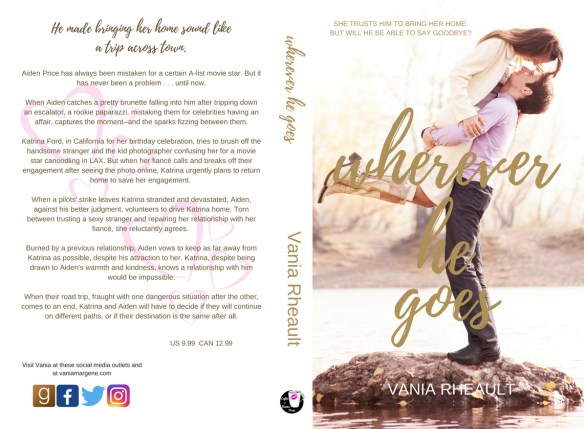
Wherever He Goes was published on June 1, 2018. It was the first stand alone novel I’d ever written–up to that point, even my novellas had been connected stories. I haven’t done much promo for that, though I did do a paid Bargainbooksy that didn’t do anything. Looking back at stats, I don’t even think the sales paid for the promo. If you want to look at my blog post about my results, look here.

There were a few firsts with this one: I had more beta readers, and I did the entire paperback cover in Canva. It looks amazing, and is still one of my favorite covers to date. I’ve had good feedback about the novel, and I enjoyed writing it. I need to do more promo for it, as I think it’s an enjoyable contemporary romance that should have more readers than it does.

Wherever He Goes (1)


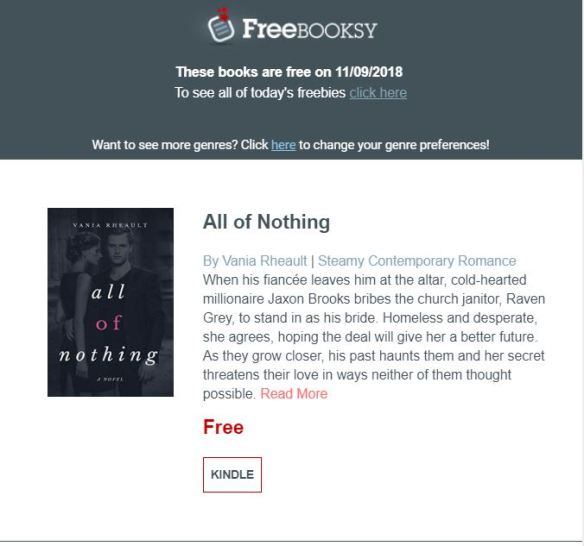
All of Nothing, I feel, is my strongest book to date, and I believe in it so strongly, I entered it into the RWA RITA awards contest. It can more than hold its own against some of the traditionally published books out there, and when I did a Freebooksy promo for it, I gave away over 6,000 books. (If you want to read about those results, click here.) I love the way my ad for it looked in their newsletter, and bless them for making it the first book!

freebooksyadallofnothing

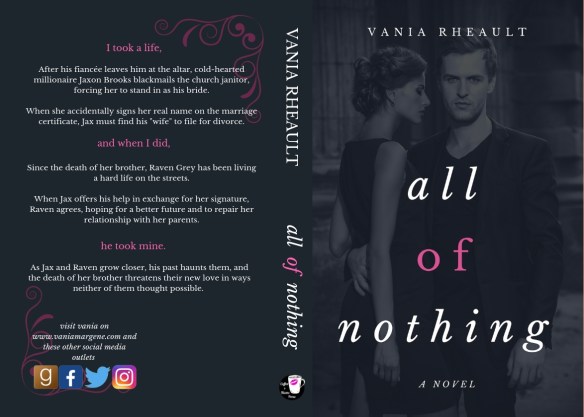
It didn’t place as high as Don’t Run Away on the free lists, simply because they are in separate categories. (Don’t Run Away is a sports romance.) But the book has more reviews than any other of my books. Published on October 16, 2018, it took me four and a half months to write it, edit it, format it, and release it. I had it beta read and proofed, and I’m very proud of how it turned out–from cover to cover.

All of Nothing Paperback Cover


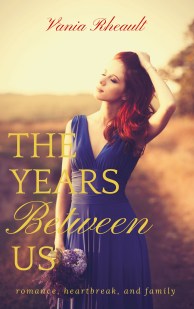
The Years Between UsI don’t have any more published work out right now, though The Years Between Us is finished. I could have had it published already, but I’m working on a series that I won’t release until they are all done. I’ve been taking my time editing The Years Between Us, but at 74,000 words, it is a complete and finished novel. I don’t have the full cover completed, nor has it been fully edited, but I do plan to have it out into the world maybe by the end of March, or early April. There is no rush, as I don’t see my series being released until Christmas of this year. The first draft of the first book is finished, however, though I admit getting out of my recovery rut has been harder than I expected.

Anyway, so looking at those dates, seeing how hard I’ve worked . . . what have I learned through these two and a half years of publishing?

  1. Not many people care. Sure I may have a lot of followers on Twitter, may be a part of a lot of writing groups on Facebook, but unless your books are actually doing well, and you can prove it through sales, no one cares what you’re doing. Only a handful of my friends have patted my back, and that’s fine. My progress is for myself. I know I’m working hard, and I hope I can be an inspiration to others, whether my books are selling or not.
  2. You have to keep moving forward, or you’ll feel like you’re on a going down escalator trying run upstairs. With indie publishing, everyone is faster, quicker, doing more than you. Some are doing this in a legit way, and some are not. But for you, yourself, if you want to make any headway in the industry, always be moving forward. Don’t get caught in a rut because days turn into weeks, weeks into months, and months into years. Just like my friend Sarah says in the blog post I linked to at the beginning, all of a sudden a year had gone by and she has nothing to show for it. 500 words a day over the course of 365 days in a year can net you 182,500 words in a year.
  3. Even when you’re doing the work, it will feel like you’re in quicksand. The harder you struggle, the faster you sink. I’ve done a lot of work these past couple of years, and if I kept track of my hours worked versus the time and expense, I would be negative in return on investment. You can’t let this get you down, or you’ll stop. Write for the joy of it first, so you always keep working at your dreams. And let success be a secondary motivator. My success will come–I’ll make sure it does. But I can’t guarantee when it will. All I know is if I stop working for it, I definitely won’t have it.
  4. It might be your baby, but after you publish it, it’s not your baby anymore. MAKE IT WORK FOR YOU. This reasoning is probably why I don’t celebrate my book birthdays. I don’t think of my books as babies. I think of them as products to be sold to help me make money. I do enjoy writing, or I wouldn’t do it. But I also want to make a profit so I can keep doing this, for the long-term. While I’ve stated I like my job, and yeah, my free time at work as helped me with my publishing speed, I would love to earn a living on my writing only. I can’t be precious with my work. I’m always learning about craft, always keeping up with the latest thing about publishing. Even if you’re persistent and want to keep comparing your books to babies, eventually you expect your children to go out into the world on their own and make their own money. Even real-life children grow up.

Thanks for sticking with me–this is probably one of the longest blog posts to date. I doubt I’ll do a recap again; as my backlist grows, it will just get too time consuming. But the look back was fun, and thank you again for joining me!

If you  want to read any of my books, you can check out my Amazon author page, here.

Wherever He Goes and All of Nothing have recently been added to Kobo, and you can find them here and here.

Thanks for reading!

Going Wide: The Saga Continues

going wide is like riding a bike

Can these guys save me? No? I guess they have better things to do! (Photo taken from Pinterest)


I didn’t think going wide with my books would be such a pain in the neck. Granted, it was my error, and something I should have checked and double checked, but I didn’t, so here we are. It’s not such a big thing, but it does push back my plans. A lot.

I didn’t pull one of my books out of Select. I thought I had. I thought I had pulled them all out. But I didn’t. And it wouldn’t have been a big deal, but it was the last book in my trilogy. I guess I just checked the wrong book one too many times, and was I surprised when I went to make sure they were all out to see that Running Scared had been automatically renewed for another three months.

That means I can’t go wide with my trilogy until May. Fine. Whatever. I could have still gone wide with the other two books, but that would have looked weird. So I put the other two back in Select and I’m just going to keep a better eye on it this time.

What am I doing, then?

I put All of Nothing and Wherever He Goes on Kobo. That’s the best I can do right now. I don’t have OCD, but I do have a certain way I like to do things, and having bits and pieces of my books all over the place would definitely give me anxiety.

I wanted to try out the Kobo landscape anyway, and uploading books to publish was surprisingly easy. The uploading process was smooth, and the online viewer worked quickly. I admit, I used a Kobo-ready file from Vellum, so that might have helped a lot. But I just put in my info, my bank stuff, uploaded, and there you go. Of course, one nice thing about Kobo is that it is run by actual human beings. Which means my book won’t be ready in the standard 72 hours KDP gives you. Kobo is closed for a holiday on Monday, and I don’t anticipate my books being fully published until next week. While that might irritate some, I think it’s great.

But this also pushed back a giveaway I wanted to do, and I don’t want to spoil it, so I’ll just say I’m disappointed I had to do that. But when The Years Between Us is finally edited, I’ll put it both on Amazon and Kobo.

I’m not very interested in KU. While All of Nothing got a bit of traction from my Freebooksy giveaway, I need to explore more promos that don’t involve giving my book away–at least not to that extreme. I gave away over 6,000 copies. I want those to be sales.

think big start small

Next steps in going wide? Wait. Wait for my trilogy to drop out. Put up The Years Between Us on Amazon (but not KU) and Kobo. Try a new promo. Maybe do a Goodreads giveaway for it since I haven’t done that yet. Otherwise, yeah. Just wait, keep writing my series so I can rapid release that wide and see how sales go.


If you have questions about Kobo, they have a ton of resources.

Look on the Kobo Writing Life Blog for helpful articles and podcast episodes.

Killing it on Kobo by Mark Lefebvere. The creator of Kobo Writing Life, Mark knows the ins and outs of Kobo and how to maximize sales with your books.
Order his book on Amazon.
And Kobo, of course.


Where I’m at with my Wedding Party Series

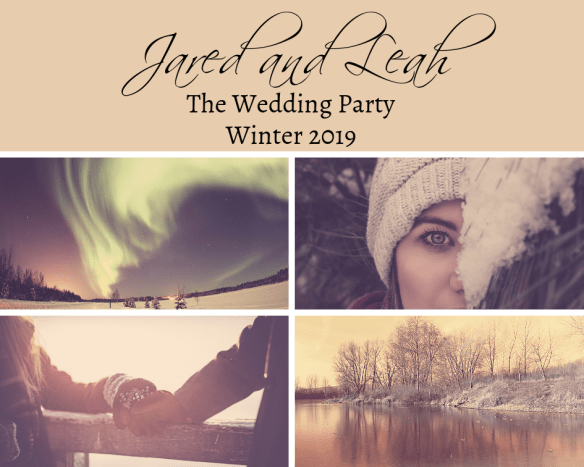
jaredandleah

My first try at creating an aesthetic. All pictures taken from Pexels/Pixabay/Unsplash


I said since there is going to be such a long time between releases, I would try to update my fabulous readers better on my writing process while I write my Wedding Party Series. It used to be called my Bridesmaid Quartet, but as I was planning out my characters, I realized I was writing about only three bridesmaids and a groomsman. The Wedding Party series is a little more accurate, and more than likely that’s what I’ll call it when I publish it.

So where am I at?

Okay, well, first of all, I had carpal and cubital tunnel surgery on January tenth. I was able to write 35,000 words (about half of my book) before that, and I was pleased the book sounded as well as it did as a first draft. Had I not had to take time to recuperate, I more than likely could have had the first book done by now.

But I did something I don’t like doing.

I left a previous book undone. The Years Between Us was technically done when I opened the file for Jared and Leah (I always name the file by my characters’ names because it takes a while for me to think up a title), but it wasn’t edited. That’s what I had planned to do while I was in recovery.

Recovery took a little longer than I had expected, and I slept a lot. I watched a lot of Netflix. Luckily, I had thought ahead and planned out a few blog posts, so my website didn’t go neglected. I tried to tweet when I could. But mostly I gave myself a pass and took two weeks of a needed break from a very hectic publishing schedule so far.

The Years Between Us

The unofficial cover for The Years Between Us. Made with Canva.com and photo from canstockphoto.com

I have been able to give The Years Between Us two on screen editing sweeps. I usually print it out and edit it on paper, but I’m thinking this time I’ll skip that step and go straight to the listening part of it. Thinking about this after writing this section of my post, I realized I can’t skip this step. When I edit on paper, that is when I break up my book into chapters. I don’t write my book with chapters in mind, only breaking up my POV changes with scene breaks, and when I print out my book, it’s easier to “chunk it up” while in paper form.  

I’ll be working on two books simultaneously, and I don’t particularly care for it, but I like writing Jared and Leah and there’s no rush to put out The Years Between Us. When I DO get it done, it will be going on a long preorder, just so I don’t have so long between books, though by romance indie publishing standards, since I published All of Nothing in October, I should have another book out now.

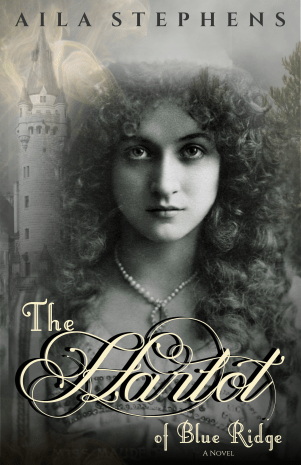
Anyway, I did realize not long ago while I was reading my friend Aila’s blog, I’ll need to change a few things, and the sooner the better. Most of the time I don’t care what I name my characters as long as I haven’t used the name before, and it matches what I think the character looks like. Towns are the same. Sometimes I look up names, sometimes I steal them from work. (I work in a call center and see names of cities and towns all day long.) Sometimes I use a name generator. I didn’t think anything of using Blue Ridge, Minnesota for my small town’s name. Until I was reading a blog post of Aila’s. Color me surprised when I saw this:

Harlot of Blue Ridge

Beautiful! (And used with permission. Thanks, Aila!)

All I can think is that the name of her book kind of got stuck in my mind. I mentioned it to her, and she was very gracious, saying I didn’t need to change it. But she thought of it first, she’s further into her WIP than I am, and seriously, there are so many other names to choose from, I don’t need to steal borrow anyone else’s. I can’t tell you how excited I am to read her book though, and if you want to follow along with her writing journey, you should follow her blog and give her a follow on Twitter. I can’t tell you enough how impressed I am with what she gives to the indie writing community.

I am not going to lie: it’s been hard to get back into the swing of things. I’m not 100% healed, meaning, I’m not 100% pain free. My doctor said it could take my body up to 12 months to repair itself. On the bright side, I don’t feel any worse than when I did before my surgery, and if I could type through the pain then, I can type through it now.

I went back to work last week, so I’m hoping that returning to a schedule will help me make better use of my time.

In my next blog post, I’ll break down what I’m doing with Jared and Leah, and maybe share an excerpt or two of what’s been going on!

Until next time!

jared and leah for end of blog posts


My First Steps in Going Wide


going wide girl on tracks blog postI knew going wide was going to be a pain, and I was right. What’s been getting me down? Read on to find out!

Kindle Select and KU Updates

I’ve pulled all my books out of Select. Before writing this post, I checked to see when they would drop out, and the latest one is dropping out on February ninth. Don’t Run Away had a few days left, so I took advantage of it and set my book for a free day one more time. More than likely, after I go wide, I’ll markdown Don’t Run Away as a permafree book because it’s the first in a trilogy and let that book be a loss leader into my other books. If you’re interested in setting a book permafree, take a look here for a quick tutorial.

This makes pricing my boxed set inconvenient though. Because box sets are supposed to be a deal, if Don’t Run Away is free, and the other two are only $2.99, readers who want all three are still only paying $6.00. But readers may find it easier or more convenient to buy the box set, so I’ll do the math and continue to offer it.

After they all drop out, I’ll spend an afternoon on the computer and slowly start adding them to other platforms. Kobo will be first because I want to go through them directly and have access to their promo dashboard. You don’t have access to that if you sell your books on Kobo through an aggregator like Draft 2 Digital.


IngramSpark Adventures

Ingram Spark was a load and a half of fun.

I thought if I waited long enough, my paperback books would drop out of KDP’s expanded distribution on their own when I took them out. But, a month later, when I added my ISBNs to IngramSpark, my ISBNs were still in use. You only need one ISBN per book for paperback. It’s okay to use your ISBN for KDP Print and IS as long as you purchased them from Bowker (in the US). Ingram won’t take the free one KDP Print will give you. I purchase all my ISBNs from https://www.myidentifiers.com/. This may be a game-changer for those on a budget–ISBNs are expensive.

But this is a decision you need to make for your business. What are your plans? Where do you want to be in five years? Ten? Do you want to have 20 books in your backlist and be all in with Amazon? Maybe you know you’ll never have 20 books in your backlist, and that’s okay. Maybe if you feel you’ll only ever have five books or so out, and you’re comfortable giving Amazon the reins, then that’s great. My publishing path is not going to be yours.

At any rate, right now I’m stuck waiting for Ingram to pull my books. I can get going on the covers, if I want, but I think I’d rather wait until my numbers “click in” so to speak, into my IS account. I can do All of Nothing as a trial run, see how it goes, since, for some reason, that book is available.

I did have to fill out a Title Transfer Addendum, and you can find that here if you’re interested in moving some titles over.

A word on imprints

IngramSpark, like KDP Print, allows you to publish under an imprint. I have an imprint–Coffee & Kisses Press. I also have Coffee and Kisses Press, because, well, “and” and “&” 2019-01-23aren’t the same thing. Who knew? I didn’t and found out the hard way. I’ll make sure when I buy my next group of numbers that I assign them to the Coffee & Kisses Press, just because the ampersand looks so much cuter. 🙂

Going wide has turned into a very slow process. But that’s okay. Better to do it now and have everything in place, than be scrambling later when an opportunity I didn’t think would come presents itself.

luck-is-what-happens-when-preparation-meets

I’ll keep you updated on the progress!


Until next time!


Where do you find readers for your books? Part Four

finding readers for your books blog posts part 4

This is just a quick blog post to finish up the series. We talked about cheap promo sites like eSoda, starting slow with Amazon and BookBub ads, and saving up for giveaways like Goodreads, if money is tight.

This last blog post will be a catch-all of things I’ve blogged about in the past such as going wide, going local, things like that.

Going Wide

You would think that only selling your book on one platform would be limiting. And again, this goes back to what you want for your business. If your books are hot, and they are in Kindle Unlimited, are you okay with trusting Amazon with your sole income for your books?

I have 5 contemporary romance books out now, and I recently pulled them out of Select. As my backlist grows, I will feel more comfortable with my books being sold many places. This is a good move for me now because I’m not making that much money on KU, so I don’t feel bad about leaving that income behind.

I’ve listened to a few podcasts recently with Mark Lefebvre who used to head Kobo Writing Life and is now working at Draft2Digital. There’s great things going on in the great wide world of indie-publishing, and I don’t want to be left behind.

Going wide is a different animal than just staying on Amazon, and Mark even said to expect to wait 6 months to a year to find any traction. As I’m building my backlist, I don’t mind waiting.

Kobo has over 28 million readers.

An Author Earnings report indicates that iBooks may be back in the game.

This isn’t a blog post to convince you to go wide. I’m just saying, eventually, if you want to reach more readers, moving your books to other platforms and using the promotional tools they give you (like Kobo’s promo dashboard) may be something to consider.

Looking Local

think local

We always think big when we think of marketing, but you can do something simple like go to your indie bookstore and ask them to carry your book. Or send a book to the Lifestyles section of your town’s newspaper and ask if they would interview you (and/or what it’s like to be an indie author) or review your book. If you have an area magazine, ask to be profiled. Maybe ask if you can teach a class at your local library on how to self-publish.

Writers are introverts by nature, but asking your library if they can carry your book in the local author’s section could be a chance at marketing for you. (Having a photo taken while you’re standing in the stacks holding your book? Cool!)  At least perhaps a chance at a signing and photo op. Even Joanna Penn said if you have a signing and no one shows up, take a ton of pictures. You’re getting some photos for marketing out of it, anyway.

It takes baby steps to market your books, and remember, throughout all this, always be writing more books.

This blog series was intended to help you break out of Writer Twitter. Auto DMs saying take a look at my book and tweeting about your book all the time isn’t going to make your career.

We’ve all been warned to not build your author platform on someone else’s real estate–meaning, get your own website so you are in charge. A Facebook Author page, or even a group is great, but you are handing Mark Zuckerberg control of your author platform when you use Facebook to promote your books. The same with Twitter. Instagram and Pinterest are fun to use, but they should make up a minimal part of your platform.

I didn’t add blogging as a free way to sell books, mainly because blogging takes a long time. I’ve blogged for years and feel like my blog is just gaining some traction. That’s partly my fault, since I know I don’t blog nearly enough. But on the other hand, I have five books published I’m proud of, another in editing, and 30,000 words into the first book of a four book series (all this in two and a half years). Could I do all that if I blogged all the time? Probably not.

Newsletters are the same. All the big indies still swear by them. But they take years to build (if you do it the right way) and should be part of building your author platform. I attempted to start a newsletter a long time ago, but the fact is, I don’t know what to put in it, and even though MailChimp is free (for the first 2,000 subscribers) you still need to pay extra for certain features. (Like an automatic welcome newsletter sent out to new subscribers.) When you weigh time versus all the little extras (newsletters, blogging), I will almost always choose to write books.

twitter jail

You need to do what’s right for you and your business. Sometimes that means saving up for a promo. Sometimes that means writing instead of posting on Instagram. Maybe that means buying a box of $9.99 business cards from VistaPrint and handing them out or leaving them places (one hack I read about was leaving your business card with your receipt when you pay for lunch/dinner). Asking to leave a box of bookmarks at your library’s information desk. Or your indie bookstore. Little things over time can add up.

But think outside of Writer Twitter; even think outside Facebook and Amazon.  You’ll be glad you did.

Please let me know if any of this series helped you find more readers!

Thanks for reading!


Where do you find readers? Part 3

finding readers for your books blog posts part 3

BookBub

Not everything is about Amazon and Facebook. I’ve heard about them the most, and maybe you have too, but another ad platform you can try is BookBub. I’m not talking about the Featured Deal that is notoriously difficult to be approved for. BookBub ads are ads for your book that run in a BookBub newsletter. You pay a Cost per Click, or Cost per Impression.

If you’re not familiar with BookBub, I suggest you go on there and at least claim your author profile if you’ve published and put up a photo at the very minimum of involvement. You can find authors to follow, and also encourage readers to follow you. BookBub will email your followers when you release a book or they feature you. Similar to Amazon. To read more about what following authors and what readers following you can do for you, click here.

Anyway, if you’re interested in going for a BookBub featured deal, click here for guidelines and prices. Books that are published wide, have pleasing covers, and have lots of reviews generally have a better chance of getting approved. In other words, books that are already doing fine. But, you can always try.

If you want to know more about buying ad space and the process, you can read about it here.

And if you do decide to go for it and place a couple ads, research what makes a good ad, by reading this blog article. I’m all about researching before you spend any money, and you’ll go into it with a better understanding and a better chance of being more successful. The BookBub blog can help you market any book on any platform, so be sure to bookmark it, or sign up for emails.

Giveaways

free books

There are lots of opinions about giveaways. We shouldn’t train readers to want free books as it drives down the prices of books. People don’t value things for free. Free books don’t work anymore because there is so much free content out there. You don’t have to give away all your books all the time. That’s just not good business sense. But I did a Freebooksy for All of Nothing, and 6,000 people downloaded it. Would I have liked those be sales, especially since I paid to give away those books? Yes! But when I did a BargainBooksy for Wherever He Goes, it didn’t do nearly as well, and I dropped the price of that book to .99 especially for the promo.

When you think about giveaways, you need to decide what your business plans are. If you only want sales and you only have one book out, then giving it away won’t be an option for you. If you give away a Book One in a 7 book series, hoping to cash in on the other 6 books, that’s something else.

I agree that giving a book away may be better if you have a backlist so if a reader falls in love with your freebie, you have other books they can buy.

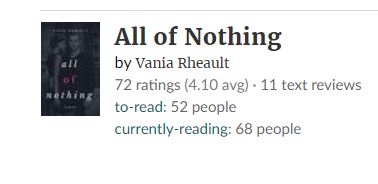
But even if you have one book, and it’s a solid book, and you may be releasing anothergoodreads stats one soon, giving a book away once could work for you. I don’t mind giving books away every once in a while–I usually do some kind of promo for each book I release then move on. After I did my giveaway for All of Nothing, I got a few reviews (the book has 11-12 depending on which platform you look at, and that’s the most any of my books have ever gotten) and there are some readers who have added it to their shelves on Goodreads.
So again, think about what your plans are if you’re going to give your book away.

There is only one place that I would think about doing a giveaway (besides my Freebooksy promos), and that’s Goodreads. Since they changed the way they do their giveaways, (there was a big to-do about it, and you can read it here) there is a cost involved. But because Goodreads is a site for readers, there’s a good chance anyone who wins your book will actually read it and review it. There are some people who just want to win stuff, but you’re going to encounter those kinds of people no matter what you’re giving away.

The standard giveaway is $119.00 now. If you have to save up a few months for that, work that into your marketing strategy, or begin saving when you know you’re going to have your next release. I know that $119.00 will feed my family for a week. But I also know I can skip a trip to Barnes and Noble and save that money, or skip my Starbucks run for a month and save that money, too.

If your interested in the pricing, guidelines, and perks of doing a giveaway with Goodreads, you can read here for the FAQs on the Goodreads page, and here, for a blogger’s perspective. Personally, I think since the giveaways are paid now, it reduces how many books are available, and gives you a better chance at discoverability. I always approved of the change, and I wouldn’t mind trying it out on my next release The Years Between Us, or I may wait and use it for the first book in my series.

You can do giveaways from your book’s sell page on Amazon. I have tried that a couple times with no apparent benefit. I blogged about it, and you read about it here. It didn’t do anything for me, and while it’s little work and it didn’t cost me anything, if there’s no value, I don’t see the point in doing it.

That’s all that I have for today! I hope you found a bit of value in this post, and join me for the last part of Where do you find readers in my next post. We’ll talk just a little bit about going wide. I hope to see you there!

Where do you find readers? Part 2

finding readers for your books blog posts part 2


In part one, I wasted your time went over a few things you can do to draw in readers. Starting with a quality product. That’s mandatory, but not everyone does. You’ve seen the poor covers, bad blurbs, and horribly written look insides. But no one is immune, and if you’re not selling books, or not selling as many books as you think you should be, try to find an unbiased opinion and see if you can find where the problem is.

Now, with that being said, readers are out there. But how do you find them?

Start Small

There are promo sites that don’t cost an arm and a leg. How well they work, I have no idea. But if you listen to lots of podcasts of author interviews like I do, you’ll slowly build a list of promo sites that are used by other authors. Some of these require a certain number of reviews. Almost all of them vet books so if your cover doesn’t look nice, or the person who runs the promo site thinks your writing is terrible, they won’t promote your book, no matter how much you pay them.

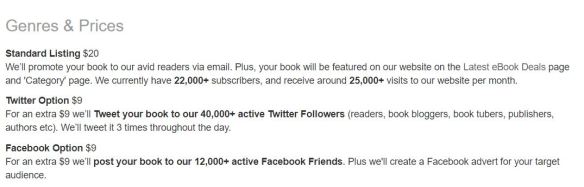
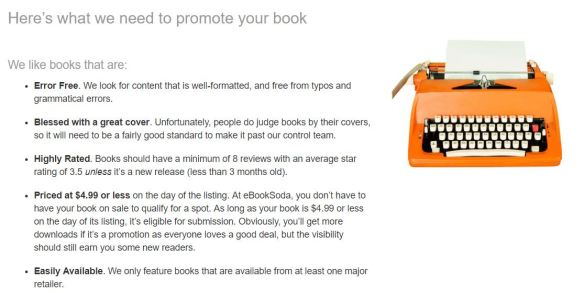
eBookSoda. Their prices have gone up since I’ve checked into them last. They review your book before they promote, and they do have a few guidelines you have to meet for them to accept your book.

ebook soda promo site

ebook soda promo site2

At twenty dollars to give it a try, that doesn’t seem like a huge investment. I’ve spent more and have gotten nothing in return.

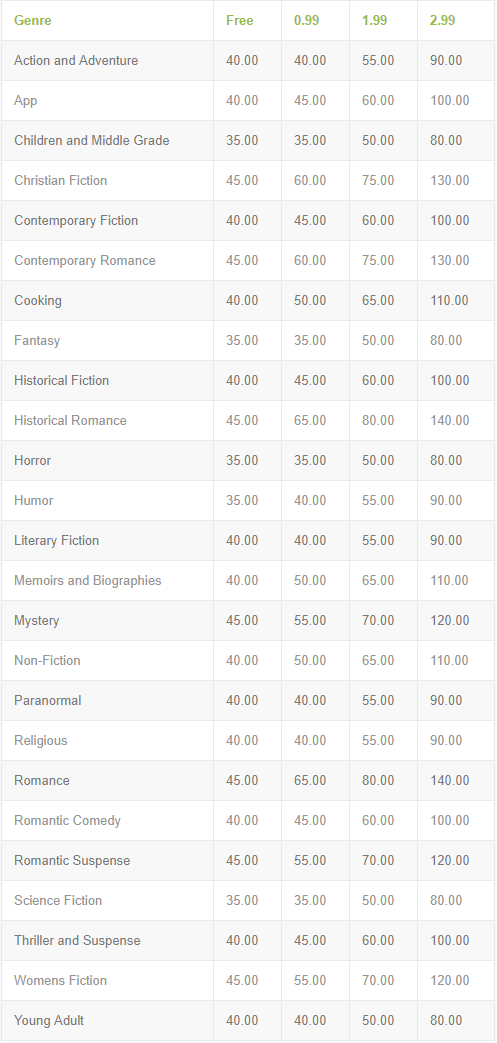
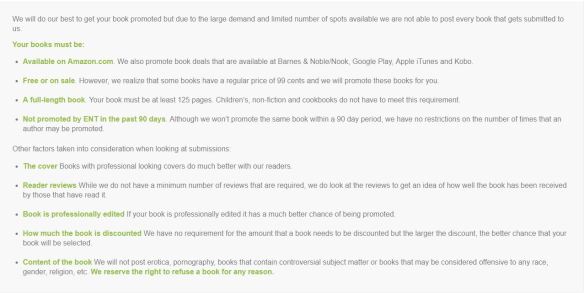
eReader News Today.

They are a little spendier, but I’ve heard good things about them. They also vet, so be prepared for an actual person to look at your book.

ereader-pricing-table-heading

ereader news today requirements

I’m not going to go through every single promo site out there. I’ve only used Freebooksy and BargainBooksy for my promos, but when I release my next book, I may spread my wings a bit. There are promo sites out there that cost less than what they charge, and they may expose me to new readers.

Dave Chesson has a very large list of promo sites if you want to browse. But the main idea is that putting money into the marking of your book doesn’t have to break the bank.

Paying to Play

Indie readers don’t want to accept that to find readers (especially if they are on Twitter and tweet about their book for free all the time) that at some point you are going to have to invest in your books. There is no other way for anyone to know your books are out there. There’s billions of people in the world. How are you going to reach them if you can’t break out of Writer Twitter? It’s next to impossible.

Richard Blake had this to say about the current state of advertising:

2018 ushered in a time when visibility we used to take for granted on Amazon basically disappeared. The long tail on new releases has been compressed to only weeks, and with the elimination of free books from the also boughts and from the search functions, it’s almost impossible to get any free visibility now on the largest seller of books in the world.

So what’s left?

Paying to play, also known as advertising. The rest of this blog will be devoted to my experience with Zon advertising, and the conclusions I’ve drawn after reluctantly beginning a concentrated effort about mid-year.

If you’re interested in what else he has to say, you can check out and subscribe to his blog here.

I’ve written about my success, or lack thereof, about Amazon before, and you can check out my blog post here. So I’m not going to bother rehashing old ground. If you want to learn how to do them, there are a lot of authors who provide courses and books. My favorite is Brian Meeks. He has a book about Amazon Ads, and I used to recommend it a lot. I’ve heard that Amazon has changed the way they do ads, so his step-by-step instructions are no longer applicable. Concepts of patience, testing, and slowly building your ad, however, are still great advice. Despite not being able to point you in the direction of his book, he’s done several interviews for podcasts as well, and he spoke at the 20 Books to 50K Conference in Vegas this past November. Check out his talk!


If you want more details, check out Chris McMullen’s blog post about the recent changes and how to work with them.

I’ve had a little success–meaning my bids are getting clicks, I’m seeing some buys, and I’m not spending a huge amount of money (not in enough to put me in the black with ROI, but you have to start somewhere). Figuring out ads is like learning to swim. You’re going to get a lot of water up your nose before you can float without drowning. This is a bad metaphor for me, as I still only know how to doggy paddle, but such is life.

I haven’t tried Facebook ads, mainly because I’ve heard they will take your money and run, unlike Amazon. Plus, I don’t have that many books out yet. I’ve read Michael Cooper’s book, Help! My Facebook Ads Suck! and that was extremely helpful. He, too, was at the 20 Books to 50K conference and you can watch his talk. 🙂

I’ll do a Part 3 later. I’ve given you lots to consider right now. Please go through those promo sites. If you can save five dollars a week and buy a $20 dollar promo for a reader newsletter once a month, that’s a great start when you thought you couldn’t afford to run ads at all.

Thanks for reading, and let me know if you have any thoughts, ideas, or things you’re going to try going in to 2019 and selling your books!


Good luck!

Where do you find readers for your books? Part 1

finding readers for your books blog posts part 1

This question sucks because 1) no one knows the answer, and 2) even if they do, their answer might not work for you.

What are the variables that make one person’s amazing results different from someone else’s?
* Genre. Thrillers. Contemporary Romance. Urban Fantasy. Epic Fantasy. Someone might have just had a great launch of their Suspense novel and you want to duplicate that for your Bigfoot Romance. Their methods probably won’t work for you.
* Quality. Your friend may have paid out $400 for a quality cover, had two editors edit it, and used a professional formatter to make their insides look as professional as they can look. You don’t have a budget like that. If you don’t, you’re already a million miles behind your friend–even if you write in the same genre.
* Your friend has a backlist and you don’t.

If you take into consideration these three things, answers to the question, where do you find readers, are going to be incredibly different.

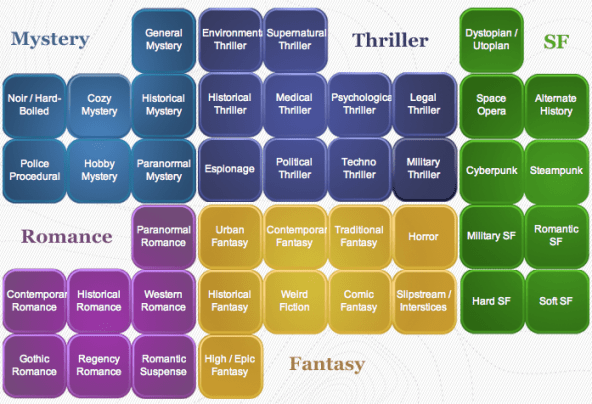
A quick note about GENRE before we move on: you’re writing what you want, but you do have to keep in mind that the more niche you write the more you shrink your audience. On the other hand, you have a better chance at standing out in a smaller niche. At any rate, here’s a nice chart. If your goal is finding readers in a bookstore (you’re probably querying then), you need to know where the little high school girl who stocks books after classes is going to put yours. Knowing your genre also makes marketing a bit easier because, hey, no one reads all the books, and you only want people who read your genre to read your book.

Literary_Genres

click the picture to read about the 17 literary genres

Quality

You know how in the grocery store you have to choose between a dented can and a can that’s not dented? Which do you choose? The undented one, right? Because we’re trained to look for things that are perfect. We don’t buy apples with bruises, we buy the milk behind the first one. When you are asking your potential reader to choose between your poor-quality cover, bad blurb, and insides with typos against a book with a nice cover, an intriguing blurb, and insides without typos, who do you think they are going to choose?

This seems like a no-brainer, but authors are too close to their own books to see if something is working, or, more specifically, not working. I’ll show you what I mean:

amazon sell page of a book

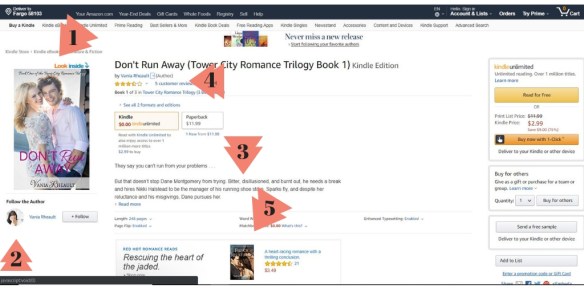
This is the sell page of my book, Don’t Run Away. It’s the first in a trilogy. People look at these things when they bring up your book be from an ad, from a friend’s recommendation, whatever.

  1. A good cover. You need one. YOU NEED ONE. I’m not saying mine is the best, but hoo-boy, it’s better than some out there.
  2. A nice author photo. No one talks about these, but with social media, readers want to interact with their favorite authors. They want to see you are a real person. If they tweet to you that they enjoyed your book, or if they say Hello on your FB author page, they think it’s really cool when you say thank you, or Hi! back.
  3. Well-written blurb. You need a good blurb to draw them in.
  4. The reviews help. The more the better, obviously, because. . .
  5. Amazon is more than happy to show your potential reader something else they can buy instead of your book. If your cover and blurb miss the mark, they offer another choice in the same genre your potential reader can click on.

If you take a look at the screenshot above, you can see the book they are advertising at the bottom has a nice cover and more reviews than mine. At that point, I’m hoping my blurb brings them in, or the first couple sentences of the look inside if they make it that far.

If you’ve written a strong blurb and you make your potential reader click READ MORE look what happens:

screen for blog 2

The ad disappears. We don’t have very long attention spans. A good blurb could mean the difference been a sale and a pass.

I watched Bryan Cohen and Chris Fox tear part a couple of covers and blurbs on a recording from a 20 books to 50K conference this year in Vegas. Take a look and see if you can make your selling page better:

Backlist

No one thinks about backlist when we look for readers. But the fact is, self-publishing is a vicious and competitive environment. These days to find any traction, you need to have about 15-20 books written already. When I first started publishing, that number was six. Self-publishing has exploded to the point where 50,000 books are self-published every month. (That stat was pulled, I think, from Michael Anderle during this same conference.)

The most important thing that self-published authors have is a backlist of 15-20 books. This is because most self-published authors make the bulk of their money on their backlist.  — The Complete Creative

The idea is that if you manage to pull one person into your readership, you can offer them more than just one or two books. You want them to read them all.

You can liken finding readers to any cliche you want. Rome wasn’t built in a day. Publishing is a marathon, not a sprint. Start at the base of the mountain and work your way up. It all amounts to the same thing–finding readers takes a lot of time.

book-publishing-quotes-by-jo-linsdell-315693

No one disagrees it starts with the best book you can produce. And then write another.

the best advertising you can do

Stay tuned for part two of where to find readers!

Until next time!

My Writing Plans & Goals for 2019

hello 2019

Lots of people feel like 2018 sucker punched them right in the gut. But to be honest, I think a lot of people felt like that about 2017, too. Each year may be better in some ways, worse in others, but it’s fair to say that each year brings about new challenges. Sometimes we can rise to the occasion and kick ass, and sometimes we can’t.

I got a lot done in 2018. I released two books I’m proud of–Wherever He Goes and All of Nothing. Each book brings me closer to improving my craft and realizing my goals of being a career writer.

I went through a divorce and came out, for the post part, unscathed, due to my kids, the support of my sister, and the love and a support of a special man in my life. We’ve had our ups and downs, too, and I hope in 2019 we have more ups than we do downs, but time will tell.

As far as my writing goals for 2019, it’s something that I talk a lot about on this blog. Write what you want, but don’t be disappointed if it doesn’t sell. So I’m going to follow my own advice. While my stand alones are doing okay (for the lack of marketing I do for them) there’s lots of evidence out there that series sell. I’ve seen this myself in read-through for my trilogy (at least when I boost up the first book with a promo).

That being said, it’s time to write another series. I’m going to set aside 2019 and write four books in my Bridesmaid Quartet. That subtitle may change–I may change it to The Wedding Party, or something else entirely as the wedding that brings this group of friends together will remain in the background and is only a catalyst for the things that happen. I’m even tinkering with making the Bride a matchmaker of sorts. These four books are in the planning stages, as you can tell, while I edit The Years Between Us. I’m going to edit my May/December romance, send it out to betas (if you want to read it, send me an email or DM on Twitter!) and more than likely put it on an extended preorder. I released All of Nothing on October 16, and I need to sit on The Years Between Us while I write my series. I won’t wait for a long time–I’m thinking maybe an April release–but I don’t want to publish it as soon as it’s done because then I won’t have anything for quite a while.

To make up for that time where I’m not publishing anything, I’m going to be doing a lot more blogging and maybe some Instagram posts in regards to my series’ progress.  I’ll be doing aesthetics, sharing more snippets than I have in the past. I’ll be releasing my character sheets for my characters. In short, I’ll be blogging about what goes into writing a four book series, and all the headaches that go into tackling 200,000-280,000 words.

Right from the start this presented a challenge because I already wrote about a group of friends with my novellas, Summer Secrets. Those were erotica, but still. It’s easy for a writer to write the same thing over and over again, so I need to be careful to make these different. Comparing my sexy novellas to this series will always be in the back of my mind.

plans and goals for the new year

Other things that will be happening in 2019:

I’ll be getting carpal and cubital tunnel surgery done on my left arm in January. The 10th to be exact. Progress on my series will only go as quickly as I can recuperate. I’ve heard from several people that it’s a piece of cake, and even my doctor said I’ll be back to everyday activities after two weeks. I’ll then be scheduling my surgery for my right arm.

If surgeries and recovery go according to plan, I’ll be attending the Sell More Books Show Summit in Chicago in May. I cannot wait to take a short vacation, meet some other authors, and learn how to sell more books!

I’ll be moving my list wide and paperbacks to Ingram Spark extended distribution. I blogged about that already, but since my books don’t drop entirely from Select until February, dispersing them wide and doing the covers to meet IS guidelines will be a project that will take a few months. I think I’ll be doing a lot of that during recovery as I’m hoping that tweaking my covers to fit the IngramSpark cover templates won’t be too complicated.

Learning a screen-recording software so I can record some barebones tutorials on how to make book covers in Canva. I scouted around YouTube a few months ago to see if making a full cover (back, spine, and front) for a paperback was even possible using that particular software. I didn’t find anything that had all the steps a newbie writer would need to successfully make a cover, and for it to actually come out looking nice.

Unfortunately, this isn’t going to be one of those things that is on the top of my list. First off, because I’m not sure how deep I really want to go into the non-fiction sector. There are some full-time writers who split their time between fiction and non-fiction, like Joanna Penn. I still have a day job, and if I have a few hours, I’d rather write my fiction books. But because I didn’t find anything about this topic, I think it would be a real help to the indie community if I could record a couple how-to videos. Especially since I’ve done it twice now and have the paperbacks to prove it can work. But I would need to find/buy software and learn how to use it. Then I would need to take the time to map out the videos and record them. I don’t know how to edit anything, either. So. Plus I’ve been tinkering around with writing an self-publishing self-editing book, and I don’t want to put my fingers into too many pies.

Mostly though,  I abide by the old, “Should you be writing, instead of . . . ?” question when thinking about doing other things, and the answer is almost usually “Yes.” It’s what I enjoy the most and what I hope to build my career on–my fiction books.

Because, after all, who doesn’t love a happy ending?

Happy New Year, everyone, and I hope 2019 goes very well for you!

the end