Networking with the Right People at the Right Time

1,554 words
8 minutes read time
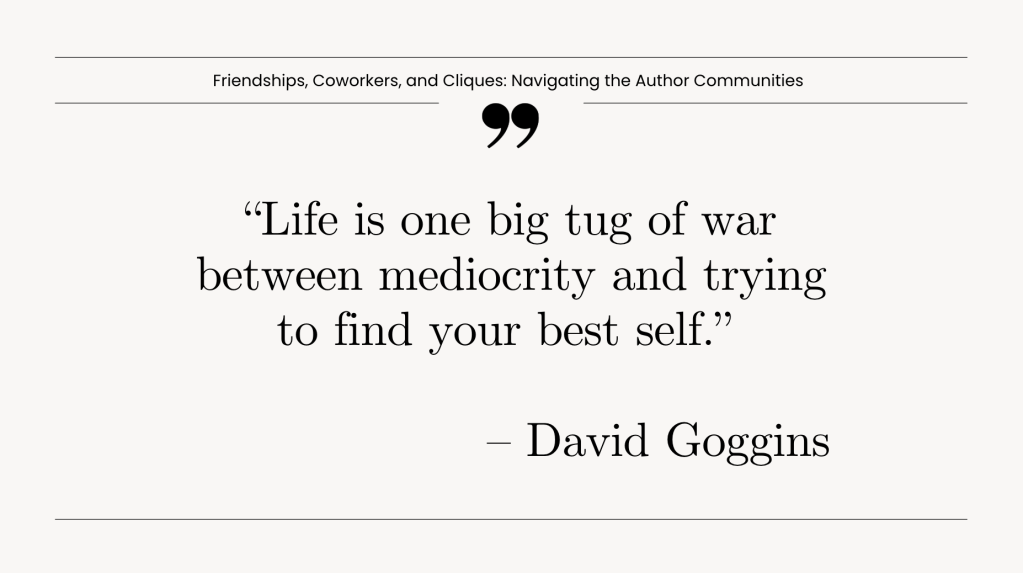
"life is one big tug of war between mediocrity and trying to find your best self"  david goggins

quote on cream background

In my last blog post, I talked about the writing community and meeting and networking with the right, or wrong, people. I see this on Threads, even today, though not at the scope it was on Twitter say, eight years ago. Back then, there were, like I said, themed days to post your work, like #1linewed​ #2bittues​ and #fridaykiss​ ​(that has since been moved to Instagram). The #writingcommunity​ was a melting pot of genres and publishing levels. It was easy to get swept away by how “professional” everyone seemed with their websites and debut books. Talk was cheap and sounding like you knew what you were doing had more weight than actually knowing what you were doing. I’m not sure how many books I bought that had fabulous covers that just sounded blah inside. And of course, the number of followers topped everything, and someone with 30k followers interacting with you or retweeting a tweet was like Christmas morning.

It was easy to lose sight of the real reason (if you knew the reason at all) you should have been networking, and a realization like that takes years to come, if it ever does.

If I were to do it over again, I’d stay off Twitter and focus on Facebook groups. I was there, too, in groups like Bryan Cohen, Mark Dawson, and 20booksto50k. But those groups were like being on Twitter–a mishmash of genres. I’d definitely focus more on romance groups and getting to know those authors. Once I started publishing, I did do that a bit, and joined the Romance Writers of America, but I didn’t get involved to nearly the extent I should have. That brings me to where I am today. Not having very many romance author friends and not having the energy (or time) to fix it.

I sound like I’m all gloom and doom, regretting and maybe resenting the path I didn’t realize I was taking, but that’s not entirely true. There’s a lot of good that came out of it, but it doesn’t benefit me in the way I’d like it to now.

When I dove into the Do-It-Yourself part of indie publishing, I didn’t hold back because I love the entire process. The formatting, even back before Vellum existed and we were formatting our CreateSpace manuscripts in Word, and book cover design, also in Word before Canva was around. I bought a book on how to use WordPress and set up my own website. Then tools like Vellum and Canva did come into existence, and with the encouragement of my friend Aila, I started using Canva and learned how to make graphics and later, book covers with it. I remember I wanted to do my book cover for Wherever He Goes in Canva, but I wasn’t sure if it was possible. Up until then, I was doing them in Word with instructions that I found online somewhere, but I thought, A PDF is a PDF, so why not try? So, I did the same thing I was doing in Word but in Canva, and I actually made a very nice (for what I was capable of back then) cover. If you want a sample of what I was doing back in 2017, you can look here: https://vaniamargene.com/2017/03/14/your-books-back-cover/ (Also, yikes!)

I was very into the soup to nuts of indie-publishing like a lot of people were, and while I do think it set me back in some ways, there are some skills that I don’t regret nurturing like learning how to use WordPress so I can maintain my own blog, or learning how to use Vellum so can I re-edited and update back matter whenever I want. The Canva tutorial on how to make a full paperback cover wrap has helped thousands of people, and I never would have been able to write it if I hadn’t learned how to do it myself.

But leaning into nonfiction really wasn’t what I had in mind when I was first starting out. Actually, I’m not really sure what I was doing. I never really thought I’d be able to turn my books into a career, and didn’t know how to go about it anyway. It took many years to figure out that other authors weren’t readers, that your cover, title, and blurb are more important that you realize, and when you’re just starting out, your books aren’t going to be very good. Meaning, I really do think it takes a million words or more to find your voice and style and actually write books that sound good. I think the only way I could describe what I was doing is fucking around, but seriously. Seriously fucking around. While I had good ideas, (I still love the short story I wrote about a woman inheriting a huge mansion on the coast in Oregon and falling in love with its caretaker) we all know that good ideas do not build a readership.

Which is probably why I’m stalled now, because I’m still seriously fucking around. My books have gotten better since I first wrote to publish back in 2016 when I wrote On the Corner of 1700 Hamilton, but I’m still stuck in the same DIY pattern I was back then, doing my own covers, doing my own formatting, and doing my own editing. What was popular and “wow” worthy back then really isn’t so much now, but with the way things have shifted in the industry, it’s not so easy to fix.

That brings us back around to having not met and networked with the right people and forming those connections that I could have used to find trustworthy editors and cover designers that don’t cost a fortune and who won’t use AI. It’s not impossible to find those people now, but it is a lot harder. Editors who will charge you only to feed your book chapter by chapter into AI or ProWritingAid, or book cover designers who use AI and try to hide it. So, not only am I stuck in the DIY trenches, it would take a lot of work to climb out of it.

I mean, where I am isn’t bad. It’s not, especially when you see other authors who are doing the same thing, either out of trust issues or lacking the financial budget to hire out. If your book is mediocre and it’s floating in a sea of mediocre books, it’s not mediocre now, is it?

I think I lost the thread.

What I’m trying to say is, had I networked differently, I could have went down the professional path rather than the DIY path, and maybe I would be in a different place. I say maybe because I have improved a lot over the years, even just re-editing Rescue Me, Faking Forever, and A Heartache for Christmas has shown me that and improvement like that has to come from doing the work. But had I hired an editor and bought premade covers for my books instead of insisting on doing them myself, maybe I could have gotten here faster. I’m not sure.

I don’t know why I threw myself into the nonfiction side of indie-publishing (and giving advice when I had no right to be giving it). Maybe back then I thought blogging was a way to sell books, just like I thought networking with whoever would also sell books, but besides giving me joy because I’m helping people and giving me a way to voice my thoughts to someone who might get something out of them, it’s not doing anything for me professionally. I don’t plan on writing a nonfiction book–I thought about it for five minutes then realized it wasn’t for me–and I’ll never monetize this blog. I don’t have the heart for it and I’m not arrogant enough to think that my opinion and advice is worth a cup of coffee.

So, the way I see it is, I have two choices now that I know what I’m doing: I can go professional and network with romance authors, hire an editor instead of doing it myself, and buy covers that look better than what I’ve been making, or I can keep doing things on my own and hope that it’s good enough to eventually lift me to the next level. Networking alone won’t help so I have to decide what I want to do.

The decision is harder than it seems because the work I’ve been doing for myself has been fine compared to what’s out there. But “fine” rarely makes headlines, so if you’re in my situation where you’re doing what you can but still not where you want to be, be it networking or sales, you can choose a different path. It might be scary since the road you’re on is familiar and you already know all the twists and turns, but we all know finding success won’t be where you’re comfortable. That means networking with the right people and making your product shine, so when those opportunities do come, you’re ready to take them and make the most out of them.

Next week I’ll catch you up on what I’ve been doing and chat about some things that have been happening in the indie community.

Talk to you next week!

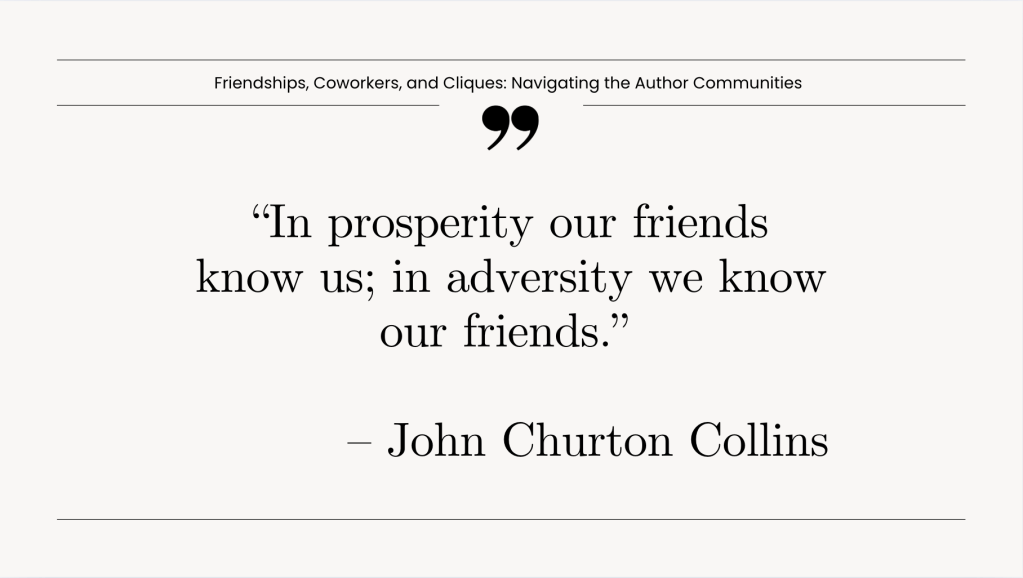
Friendships, Coworkers, and Cliques: Navigating the Author Communities

1,973 words
10 minutes read time

“In prosperity our friends know us; in adversity we know our friends.” 

– John Churton Collins

There has been a lot of talk about author cliques on Threads lately, and while I didn’t feel the need to contribute to those conversations, I do have a lot of thoughts about friendships that I’ve collected over the ten years I’ve been doing this. Not friendships. Thoughts. Though, I guess, maybe friendships too. Friendships are complicated, made even more so by expectations and reciprocation. Here’s a breakdown of what I think friendships, coworkers, and cliques are, and if you’ve been at this for a while, in the comments you can tell me if you agree or what you’d add to the conversation.

Indie Friends
When I first got into the writing community, I made lots of friends. That was back when I was writing my high fantasy series that will never see the light of day. Anyway, I thought, “I should join Twitter so once it’s ready, I’ll have readers.” It was a naïve way of thinking at best, but even back then I was aware that I would need some kind of marketing strategy once my books were released. I already had a Twitter account made from when I was in school for human resources and I changed the focus of my profile from HR connections to the writing community. There I made lots of friends, joined chats like #1linewed and #2bittues and even made my own chat called #smutchat. The tweets are still there if you search the hashtag. Anyway, so I got in with a group of people, some of whom I still talk to today, and life was good. We beta read for each other, retweeted each other’s tweets, and everyone supported my blog when I first started writing it.

Of course there were the usual troubles when it came to those friendships. Some of them became one-sided, some people dropped off because they stopped writing. (One of my friends even had to deactivate his Twitter account because a person he had grown close to started stalking him. Yikes!) Some people you just learn you don’t really mesh with and you stop talking to them or they stop talking to you. I definitely had my share of rocky relationships, some of which I’ve documented on this blog over the years, notably when you mix business with friendship: https://vaniamargene.com/2019/03/11/when-friends-turn-into-business-partners-sometimes-it-doesnt-work-out/

Some of the talk I’ve been seeing alluded to the idea that if you don’t have the “right” kinds of friends, they can’t/won’t help you propel your book business to the next level. I’ve reached out to a couple people here and there who I’ve met on Threads and they weren’t too interested even after posting they were looking for friends. It wasn’t until this morning in the shower that I realized it was because they probably took a look at my socials and sales and realized being friends with me wouldn’t get them anywhere. It was an “oh, shit” moment, but it didn’t hurt my feelings. If all they want to do is use me, I don’t need them as friends anyway.

When I was at my Twitter “peak,” I had a different kind of friendship experience. What I found out was that making friends on Twitter wasn’t the same as finding your readers, and some people I know still get caught in the trap of making author friends with the idea that those authors will buy their books. They confuse making friends and networking with marketing and that only ends in frustration.

The indie author friends I was making wrote all different kinds of genres, were happy to boost my work and support my blog and I reciprocated. Those times are gone and I haven’t replaced the real friends I lost. While I have made connections, I’ve come to realize those people are coworkers, and if you have a day job, you know, and hopefully not through trial and error, your coworkers aren’t your friends.

Coworkers
Coworkers are what people mean when they say you should be networking in your genre. Coworkers are going to be the connections that offer things like newsletter swaps, promo opportunities, anthology opportunities and more. They help you with ads, they might beta read for you or put you in touch with who they use. They help you find ARC readers and open the door to things like book conventions. They’re like Deb in they cubby next to you. She’s not your friend but she’s happy to tell you about what went on in the meeting you missed because you were sick.

What a lot of authors get confused is that these coworkers are not your friends. They don’t touch base on a daily basis. You don’t talk to them about your kids. They don’t text you privately or want to meet you in person if they happen to be in your area. We all know what friends are, and these people are not it. But, to have these kinds of coworkers, you also have to be pulling your own weight, meaning, your books are selling and you have your own opportunities and experiences to share. You do your share of the work in anthology compilations and book blasts, and you can do your share because you’ve put in the work to have a large newsletter, Facebook group, and reader base. You bring something to the table and you share the sides with the other authors who also have something to bring to the table.

When I see authors complain about not being invited into networking circles, I can take a look at what they’re doing and know right away why no one wants to work with them. They don’t have an author platform, they don’t have a newsletter. They don’t have a solid backlist that’s selling. They haven’t worked on an individual basis to get the results they need to get invited into the group. No one wants to do your work for you. I know that puts some authors in a quandary because they say they can’t get to that level without help, but you can make headway on your own with social media, ads, and publishing consistently and in one genre. Start smaller and network with authors who are at your level. Grow together and you’ll naturally expand your professional network.

On a smaller, more personal scale, maybe you know how to format and you format for others, either out of kindness or you charge a small fee that’s less than what a professional formatter would charge. Then you don’t hear from that person again until she needs another book formatted. I have quite a few acquaintances I’ve made because I offer help, they take it, and I don’t hear from them again until/unless they need something else. It was actually a surprise to realize they aren’t friends, they’re coworkers, but it’s helpful to know where the line is. Not everyone needs to be your friend. Maybe someday they’ll remember I helped them and pass along an opportunity, but I didn’t offer to help with the idea they would reciprocate. I wanted to help because editing, formatting, and designing covers keeps my skills sharp for when I need to work on my own books.

Unfortunately, I’m still living in a time when I was on Twitter and we all did happily for each other. I don’t think we can ever go back to the way things were and over the past couple of years I’ve been getting used to being an island. You can’t get jaded. If Deb brings peanut butter cookies to put in the breakroom and you have a peanut allergy, just remember your workplace isn’t where you should be making friends anyway.

Cliques
This brings us to cliques. I must not get out enough, because honestly, I haven’t had much exposure to cliques. What I have bumped into online is romance authors who have been writing and publishing for years, who are friends and have been for that same amount of time. They can appear as cliques because they have that history of friendship, but not only that, their careers grew successfully at the same time keeping them on the same playing field professionally. You can say that’s because they had each other’s help, but that’s not necessarily true. What you’re writing has to hit the market, your writing style has to resonate with readers. No number of friendships can help you do that.

When I think of cliques, I think of their members as unkind, and I haven’t met any romance authors that have been truly unkind to me. I used to listen to a romance marketing chat on Clubhouse (that they stopped because it was too much work to keep going) and the hosts were friends and seemed like they had been for years. All the speakers and anyone else who contributed were very nice and eager to share their knowledge and experiences. The same goes for the book blasts I’ve been a part of, and when I do those, I always make graphics to share on social media so others can use if they don’t have time to make their own and post the blast everywhere I can to pull my own weight.

Of course, I haven’t elevated myself to be coworkers or acquaintances of huge romance authors like LJ Shen or Melanie Harlow, but I haven’t wanted or needed to approach them, either. I’ve traded a comment here and there with authors like Lindsay Buroker, Zoe York, and Elana Johnson, and EL James actually responded to a comment I made on her post on Threads, and everyone is very nice. I don’t approach people wanting something because that’s never been who I am and I think the bigger the author is the stronger their BS radar is and they know if you’re just looking to use them.

So, I don’t think author cliques truly exist, not in the negative way some authors say they do because they’re resentful they can’t crack the code to be invited in.

And cracking the code to be invited in will only get harder as time goes on. I mean, let’s be honest here. No one wants to talk to you if you support the orange clown. No one will want to talk to you if you use AI to write or use AI for your covers. No one will want to talk to you if you don’t respect your peers and insist on leaving bad reviews for the books you’ve read. Authors are guarding their space more than ever before and because of that you’re in for a harder time proving yourself. That’s something I can totally understand. Our president is tearing this country apart and I don’t want to talk to anyone who supports him either.

The best thing you can do, in my opinion, is join Facebook groups in your genre and get to know people there. Making friends, good friends, will take time. Share resources, share experiences. Learn from the people you’re networking with and let those relationships grow. Oftentimes I’ve complained about feeling lonely, though that has gotten better as my health improved, and I know that I don’t do enough to expand my circle. I should be participating in romance groups, offering to do newsletter swaps with my small blog, beta read, and format if needed. But right now I’m juggling a few things and don’t have the energy for that. That is also something else you’ll have to take into consideration. How much time and energy do you have to nurture new relationships? Don’t take if you can’t give.

Next week I’ll talk about where I ended up when I started on that path of friending writers and authors who weren’t writing romance.

Hint: It’s not a bad place.

Talk to you next week!
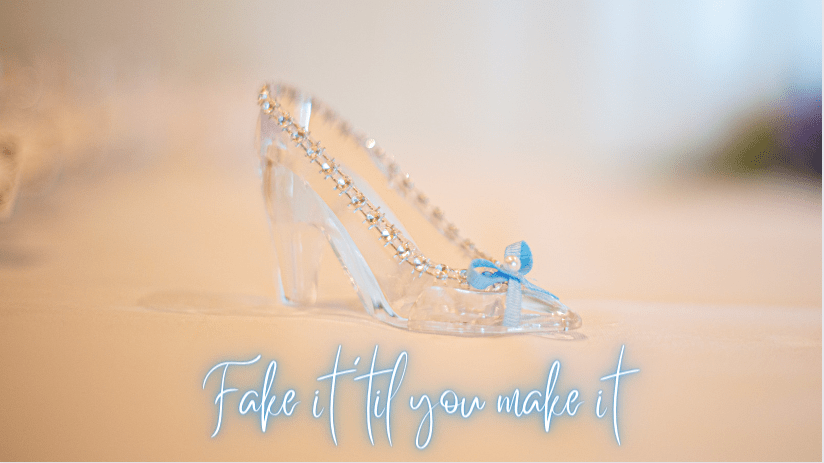
Fake It ’til You Make It (Or something like that.)

cinderella's glass slipper with text tha says fake it 'til you make it
It worked for Cinderella

Words: 2974
Time to read: 16 minutes

A lot of people wonder, when they start the publishing game, just how long and just how much money it’s going to take until you “make it.” And without muddying the waters with things like “success is what you think of it” or “every sale counts” let’s assume that “making it” is earning a full-time wage. That will be different for different people too (I could do a lot with an extra 30k a year) but let’s go with 50k since the group 20booksto50k put the number out there.

When you’re getting your book, or books, ready to publish, you can put as little or as much money into your product as you want, and chances are unless you publish a real stinker of a novel, the quality of your book will be just fine. Maybe you’ll be shocked to hear it, but when you look at books that have taken off, they aren’t literary masterpieces by any means. So, if you’re looking at editing, do I think you need to spend $1,000 on a developmental edit, $600 on a copy edit after you’ve made changes, then $200 on a proofread? No, and the people who say that you should are probably other authors who are snobs and editors who want you to hire them. I don’t believe you should publish without some kind of feedback, even if you just ask your spouse to read it to look for plot holes, unless you’ve been at this for a long time and have found your voice and you know what your tics and weaknesses are and can edit them out on your own. If you’re patient enough, shoving your book in a drawer for a month can go a long way to reading your manuscript with fresh eyes. Make use of critique partners and beta readers, catch typos on your own by listening to your manuscript and proofing the proof (mistakes really do jump out at you when your book looks like a book). So, the bottom line is, pay for the editing you can afford or think you need and use free where you can get it.

This also applies to covers–some authors make their covers for as little as $7.00 to buy the stock photo from DepositPhotos and use the free Canva plan, some spend hundreds, even thousands on a cover from places like 99Designs and Damonza, or hire artists for one-of-a-kind art. Of course I believe people judge books by their covers, but your cover is only going to be as good as what’s inside. I knew someone who used Damonza, and his cover was beautiful. I tried to read his book in KU to support him, but it was all telling. He had an entire trilogy in 300 pages because of all the telling. If your book isn’t good, the most beautiful, expensive cover in the world won’t help it take off. Your readers will review, your star rating will tank, and even if you can sell a book, that reader won’t enjoy it, she’ll think she wasted money and never buy you again. I think you can find a happy medium when it comes to covers. GetCovers is inexpensive, they do a decent job, and you’re supporting Ukraine. Or buy a premade for $100 dollars. It’s more important to know what the trends are and what other top authors are doing in your genre than how much money you put into your cover. Do your research because being original isn’t the flex you think it is.

Formatting doesn’t have to be complicated, and while you might want the fancy chapter headers, be honest and admit it’s for yourself and not your readers. I don’t sell many paperbacks, and ebook formats can’t support the fancy stuff authors are always talking about. Ebooks don’t have “pages” and frilly extras don’t apply. So you can pay the $300 for the formatting that will have black pages or full-spread graphics, if you think you’re going to put a lot of energy into selling paperbacks to get your fee back, or you can pay $50 for a simple formatting job. Or you can do it yourself for free using Draft2Digital’s free formatting tool, or Reedsy’s, or upload a Word document. It’s all up to you. I wrote about formatting and gave a lot of resources in this blog post, and you can read it here: https://vaniamargene.com/2022/08/22/formatting-your-paperback-books-interior-tips-and-tools-that-can-help/

That’s packaging your book, and there are always more things you can spend money on like an author logo, the ISBN, or registering your book with the copyright office. When I started my pen name, I swore I would start registering my copyright, but then the fee went up from $35 to $65, and I lost my resolve. If you’re not putting out many books, maybe the $65 dollar fee isn’t that bad, but it can add up if you’re publishing six books a year. Here’s the fee list if you want to bookmark it. https://www.copyright.gov/about/fees.html

I didn’t do a very good job explaining how much it costs to get a book ready to go because depending on their choices, costs can vary from author to author. Some want to bootstrap it because they don’t know if they’ll earn their money back and some don’t care. Some have disposable income and paying for services isn’t a big deal, some can barely afford the seven dollars to buy a stock photo. Some have a huge network and don’t pay for anything because they have a lot of free help or they’ve joined something of an author’s co-op where they all trade services. If you’re like me, pretty much doing this alone, do the best you can. You might be surprised your best is better than you think it is.

Once you have your book ready, reviews are kind of important. I don’t believe in the magical number of 50, but I think if you’re writing commercial fiction, putting your book on a place like Booksprout (there’s a small fee) would give you a few to start out. I didn’t with my duet and published without any, and now Captivated by Her and Addicted to Her are my poorest sellers. I’ve tried doing free promos for Captivated, but I think I ruined any momentum I could have had not launching with a few reviews. Maybe it’s circumstantial, but my other books always had a better launch maybe because I put them on Booksprout first. You never know.

So what do you do after you publish your book? How many times do you have to do that to “make it?” How much money do you throw at marketing to make your book sticky enough to quit your job? The sad part is, I don’t know or I would be doing it. I’m at a point where baby authors would probably envy me my sales dashboard, but authors who knew what they were doing from the very beginning and have been making six figures for the past few years would be unpleasantly surprised if they woke up to my numbers.

Even going viral, in some cases, won’t help. Chelsea Banning (and I’m not picking on her or throwing her shade in any way. She’s an interesting case study because I watched in real time how that all played out and what happened afterward.) went viral on Twitter after Stephen King quote-tweeted her. Suddenly, she was everywhere, from USA Today to doing a video call on the Kelly Clarkson Show. But when something like this happens, not a lot of people are prepared to keep it going. Having a backlist helps because your sudden popularity will lift up all your books. If the timing is right and you have a new book ready to go, that will boost the algorithms too, as will throwing your unexpected royalty money at some ads (you’d have to borrow from yourself because of how Amazon pays out, but I think in this instance you’d be okay with that). But if you only have one book out, don’t have another ready to go, even if you run ads, you may not be able to keep the momentum going. You can save up a little money, maybe have a few hundred to a couple thousand depending on how viral you really went, to throw at your next book, but you need to be in the right place and be in the right mindset to make the most out of going viral. We all want it, but I don’t think we understand what the rewards and consequences of going viral can entail. At this point in my career, I would love to go viral (in a positive way). I have a few books out, trilogies that have good read through and standalones that have a number of decent reviews. I have a six-book series about to drop, and I have a newsletter (blog) in place to capture new readers. But even I would question if I have what it takes to keep that going–after a while, you get burnt out. Posting on social media to stay relevant is time consuming, and if you’re scrambling to get another book ready or to set up a newsletter because you didn’t have one, creating graphics for Instagram or your FB author page may not be on your list of priorities, especially since more than likely you have a full-time job and maybe some kids and a spouse you’d like to see every once in a while. I brought up Chelsea only because going viral didn’t seem to help her in the long run. She might have been able to put away a small nest egg, but on Threads she was asking people to buy her book because her husband had gotten laid off or some such, and she does only have one book out right now so while going viral must have been exciting, it was only a blip in her career. I wrote a little bit about her here: What I learned from an author’s literal, overnight success

And it’s really hard to say how many of those readers stay with you, or if they bought your books and interacted with you to taste your fifteen minutes of fame. Going viral is a flash in the pan, and no doubt helpful, but how can it compare to writing and publishing consistently for many years and organically attracting readers who love your work? Though I doubt anyone would turn down going viral–that’s like saying you wouldn’t take a $100,00 dollar jackpot because you were disappointed you didn’t win a million dollars.

So let’s go back to the question, how long do you have to fake it before you make it? And the honest answer is, I have no idea. Some unlucky authors fake it forever and don’t truly make it. And why they don’t make it is going to boil down to what they’re doing wrong on an individual basis. (I talked a little about this in my transparency post, and you can read it here: https://vaniamargene.com/2024/02/29/the-magic-of-transparency/)

I mean, obviously, there are things you can do to up your chances of consistently selling books:

Write in a popular genre and package it properly. Romance, Thrillers, Sci-Fi/Fantasy, maybe? I haven’t watched a K-Lytics report in a while, so I don’t know what the numbers are, but there are some genres that are harder to make a go at it, like horror (that’s not YA–I think Goth Cottagecore is having a moment right now) or speculative fiction, literary fiction. Like that. You’re already making it hard on yourself by choosing a genre that’s not already a bestseller.

Put up a website and start a newsletter/blog then put that link in the back matter of your books. I always have to qualify that now since I moved my newsletter to my blog, but start something where readers can find you and subscribe for updates. But do more than just start one. Keep it updated. If you’re putting out a book a year, you may think you have nothing to talk about, but doing character sheets, character interviews, talk about where and why you chose the setting you did, etc, can fill up a post a month. You can also do author interviews to keep your name out there.

Learn an ad platform. If you only have one book, it might seem repetitive after awhile, but ads are the best way to shove your book out into the world, especially if you don’t want to put it on sale or use any free days (and why would you? You want to make money.). There are millions of readers and you can run ads indefinitely so long as your spend doesn’t outrun your royalties. You can spend (waste) a lot of money if you don’t know what you’re doing. I would start with a solid list of comp authors–this will help whether you run FB ads or Amazon ads. Make sure your keywords and categories are solid and that your book’s cover, title, and blurb complements them. Figure out how much you want to set for a budget. Go slow and see what happens.

Network with authors in your genre, not just authors in the writing community. Romance is big for opportunities such as newsletter swaps, promos, anthologies, auctions, collaborations, and just genre news in general. I missed a lot of chances for exposure because I got sucked into the writing community on Twitter instead of meeting and getting to know authors who write romance. I’m getting better at it now, spending time in romance groups on Facebook, but I should have been introducing myself many many years ago.

One of the pieces of advice I hear from big indie authors is to have multiple streams of income. If you can’t do it now, that’s fine, I’m not in a position to right now either, but if you have an ebook, a paperback, and audio, that’s three ways, setting up a Patreon could be another, going wide rather than enrolling in KU could be one, starting a podcast that businesses could eventually sponsor could be another. Even adding a Ko-fi link to your social media profiles could be one, or maybe editing/beta reading on the side. If you already don’t have time to be working on what you need to be working on, absolutely none of this will sound appealing, and that’s okay. But if you look at what the big indies are doing, I’m thinking of authors like Joanna Penn and Lindsay Buroker, they have money coming in from a lot of places like translations. One day I would just like to add audio, and that’s a long ways off.

So, you can ask me the question again…. how long do I have to fake it before I make it? And does spending more increase my odds of making it? I’m just shaking my head and shrugging. No one knows. I know what to do to increase your chances and I implemented some of those things myself, but the only thing you can really do is publish your best book and publish your best book as often as you can. Build a backlist because the more product you have to sell the more you sell. Always be working on the next book. That might not get you to 50k in a year, or five, maybe not even ten. I’m on year eight, but I don’t know if not making the mistakes I made would have helped. It’s difficult to watch authors zoom ahead of you, and I have. Two that come to mind are Cara Devlin and Elizabeth Bromke. I met them on Twitter, both when maybe we are around the same level. All of sudden they took off making full-time earnings from their books. Then I see some of the authors who have been around for as long as I have, or even longer, who are still in the same place, maybe because they let their lack of sales get them down and they don’t write much anymore, or their covers and/or genres are just off the mark, or they don’t have money for ads and depend on free social media to get anywhere, or maybe life just got in the way and before they knew it, two years went by and they haven’t opened their Word document.

The problem is, we all write such different books, have different resources, have different lives, that someone like Elizabeth (who writes romance/women’s fiction) could tell me exactly what she did, and maybe I would pick up something here and there, but in the end, I’m not sure it would get me anywhere. She hires an editor and cover designer, but if she lives a life where she could afford that before she started making money from her books, that’s two strikes against me, so we could stop writing out the list already. I mean, it’s nothing to get bitter about–I’m sure there are some people who read my blog get a little annoyed when I recommend running ads. Spending ten dollars without a guarantee of ROI is a stretch and a luxury they can’t afford. I get it. So some of us, through no fault of our own, may be blocking our own paths to success.

I’ve given up the idea that I will ever make a full-time author’s wage. A lot of authors don’t–trad and indie–and not because their books aren’t good or they didn’t go viral. They weren’t at the right place at the right time, or they never wrote a book that hit the market just right. But as I always say to myself with every new release, maybe this will be the one.

It never is, but all you can do is keep faking it.

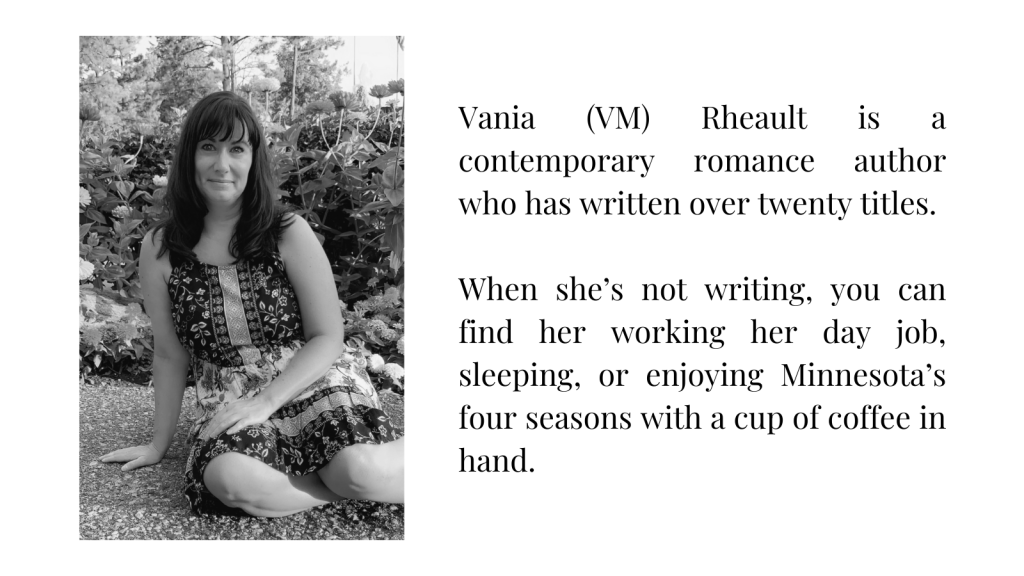
author photo

Thursday Thoughts and grabbing ideas from big-time indie authors.

Happy Thursday! I can’t believe it’s already June 10th. I have a feeling this summer is going to fly by. Last Tuesday night I went out for my usual dinner with my sister and the restaurants were packed! I think that with summer, the COVID vaccine, and most places lifting the mask mandate, more and more people are going to be to out and about. That’s not a bad thing, but our businesses here haven’t caught up with demand. So many restaurants need staff and have signs out front. Fargo, ND, is also getting an Amazon distribution center soon, and it’s going to take 500 jobs away from local businesses that look like they already need help. I’m not against Amazon and I think it’s great we have a distribution center coming here, but it will make for some interesting times ahead and the push/pull it will create in the job market. Maybe I still have a little human resources in me after all.


As for a personal update, I’m 57,500 words into this new book, and I should be done with it by the end of the month. It’s going to be longer that my other standalones. Usually I’m just about getting to the “big bad” or it’s already happened, and I still have a few more scenes to write before I get there. While that rests I’ll get working on my newsletter (no more about that or your eyes will start to bleed) and maybe look through my list of tropes to find something simple to offer as a newsletter magnet. You know, I like writing and can write 50,000 words in about three weeks (according to my document information, I created my current WIP on May 15th). So whether I want to or not I will write something to use as a magnet, and the fun part will be figuring out what that is.

I’ve been feeling okay lately, though I’m far from kicking the infection I’ve had since December. I’m writing a side project on how I’ve been dealing with it and what I’m doing on my own outside my doctor’s help to get rid of it. I’ve done quite a bit of research and let me say that in this area of women’s health, the advancements are sorely lacking. When it’s done I’ll put a link up to it so you can take a look if that’s what you really want, but this blog isn’t the place for that type of thing. I’ll probably put it up on Amazon and other platforms for free as I don’t want to make money off it–just offer awareness in all the places that I can. It will be about 10,000 words, and formatted that might be enough to put it into a hardcopy form but I’ll have to look up KDP Print’s minimum page number count.


You all know I’m on Clubhouse and over the weekend they had an Indie Author’s Conference. They had a variety of speakers, and one evening a 7-figure author spoke about how she launched her books. Of course the “room” was packed and I sat with a notebook and was prepared to take a million notes. I have launches come up too, and I am soaking up a lot of launch plan information right now. Quickly I learned that her launch plan was going to be very different from my launch plan and I left the room discouraged. This author has been publishing for years, has a giant newsletter following, has a lot of books across four pen names and the information, while great, didn’t contain much I was going to be able to use. I am so grateful to the indie authors who are making it who are willing to share their information, but when you’re starting from zero like me and my new pen name and the only information I have is what I’ve learned on my own publishing the last four years, the information they share you may just not be ready for. There were little things like the promo sites she uses (David Gaughran has a great list here) and of course, everything I hear these days is to start a newsletter to keep your readers engaged, and she does reiterate that your book has to be ready to launch. Edited, good cover, good blurb, back matter up to snuff with the call to action of your choice (preorder link for next book perhaps) otherwise it’s not going to matter how you launch, your book will be DOA. I understand all that, but it is still a shame that authors giving advice have to remind other authors of that. At any rate, I will keep scrounging for information first, second, third, or even fourth time launchers can use. Here are the top items in my launch plan that I will start using and keep using going forward:

  1. Start/keep up a newsletter, though I’m not going to be able to participate in swaps until I can get something going and have something to offer in return.
  2. Use promo sites like Freebooksy/Robins Reads/ENT. Every once in a while you hear of a name that hasn’t been shared before that I forget too, like Red Feather Romance, part of Written Word Media specifically for romance authors.
  3. Use Amazon ads. Once I get my pen name up and going I may try Facebook ads again. The few times I have they haven’t worked very well, sucking up my money with no conversion or sales on my end, but that could be an operator issue and not a machine issue. Also, I think that what I wrote in my last blog post is absolutely true: ads work when your book is already selling well. I’ve learned you can’t press publish and walk away. I dropped the ball many times when I should have been working harder than ever to use that new release energy.

When you’re absorbing info from other authors you have to decide what you can use and what you’re not ready for. There is no shame to admit that some of the information you’re hearing is over your head. I understand why organizers of these events ask the big-time authors to share what works for them because the info they provide is invaluable. Not only do they show us the technical/business side of the writing, they show us that it is actually possible to make a living, to create a reader following.This author has been writing and publishing for years and has built an audience and more importantly, keeps that audience fed with consistent releases. You may not be ready for the information for different reasons. You can’t release that fast, or you can’t afford all the things she’s doing, or maybe you don’t even know what genre you want to write in yet and you’re exploring your options. There’s no shame in admitting you aren’t at someone else’s level. In fact, it’s smart or you’ll get overwhelmed and you’ll just go crazy trying to keep up with someone you have no chance at keeping up with. And possibly spending money you don’t have. This isn’t comparisonitis, it’s simply taking what you can, if anything, and moving on to an author more your level who is killing it in their own way. I kind of came to this realization too, while listening to Mark Dawson’s launch plan mini-course I purchased from his SPF University. He’s so far from where I am, all I can do is take bits and pieces and hopefully twist what he does into what I can use for my own purposes.

I like listening to Clubhouse chats, and there are so many people out there who are willing to share what they know. Maybe one day I’ll be sharing what I know on Clubhouse too, but I’ll definitely be starting from zero.

What I’m liking now:

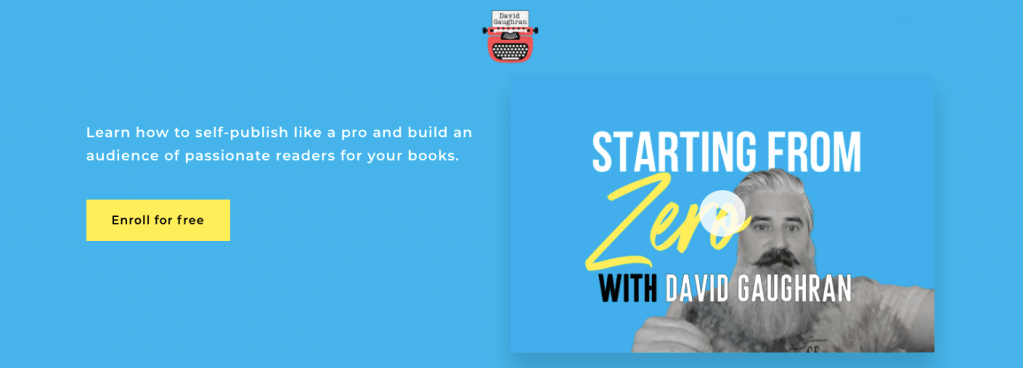
David Gaughran Starting from Zero course graphic. Blue with author photo.

Speaking of starting from zero, David Gaughran has a free course that takes you through exactly that. You can find it here. (Image taken from his website.)

The Six Figure Author podcast did an episode where the hosts talked about what they did wrong at the beginning of their careers. This episode is especially interesting to listen to if you haven’t published yet, and you can listen to it here.

That’s all I have for today! I hope you all have a wonderful weekend!

Thursday Thoughts: Would you ever leave the writing community behind?

I woke up to a shock yesterday morning: a writing friend blogged a goodbye. She’s leaving the writing community for now and is focusing on other areas of her life. She said many predicted this, but even after all her troubles, I wasn’t one of them.

Why would anyone leave the writing community? She’s not the first friend I have who will disappear, nor will she be the last. I have a friend who wrote a dystopian YA novel and what happened when her publishing house sent out arcs is similar to what happened to Amélie Wen Zhao when she pulled her novel because of racist accusations. My friend isn’t writing anymore and I don’t know if she ever will again.

This industry isn’t for the weak or thin-skinned. It isn’t for the cowardly. I had to find my own courage when that high-profile author bullied me and I don’t think I would have been able to had I been an impressionable twenty-something scared to make enemies. (As a jaded forty-five year old woman who can separate her online life from her real life, it was still difficult for me. I can’t imagine the harm this author has done if she’s targeted other authors.) Even reading reviews from nasty readers can be a lesson in humility, or downright painful, feeling like a 100 lashes of a whip for simply trying to publish a good book.

I have bemoaned many a time about the circus this industry has become, and it’s easy to grow bitter thinking of all the fiery hoops you have to jump through just to find and keep readers these days. It’s not enough to publish a good book, buy some ads, and sit back and enjoy readers reading your story. Newsletters and swaps, reader magnets and websites, and not only do you have learn how to do all that, you have to pay for it too. Newsletter aggregators, and reader magnet aggregators, website hosting, website emails and so much more that it can take years of writing and publishing to break even much less make a small profit off your words.

Of course, you don’t have to do any of that. You can try to find a happy medium of writing and publishing for your own pleasure and if you can make a bit of money along the way and earn a few positive reviews, that’s enough for some people. Honestly, with the way the industry is, it should be enough for everyone.

I don’t plan to leave–like many writers, I’ve been writing in some way all my life, from writing my first short story in sixth grade or winning a voucher in ninth grade to a clothing boutique for an essay about patriotism to graduating with a bachelor’s in English with a concentration in creative writing. Words are in my blood, but I am trying to balance my life just a little bit more. It’s not necessary to write six books a year (like I did in 2020) and I’m trying to spend more time with family and friends, read more books, and watch movies I haven’t made time to see.

I’m as scared to walk away from writing and the community I’ve built for myself over the years as I am to keep going.

Do writers walk away because they’re unsuccessful? Maybe. Do writers walk away because writing is hard and for the most part, lonely? Probably.

Craig Martelle posted this yesterday, and it seemed so fitting. Give a listen to him talk about The Unsuccessful. Do you think about giving up? If you do, why? Writing and publishing is hard, but you can potentially make it harder for yourself if you keep doing the wrong things over and over again. Learning from my mistakes has been the number one priority for this new year. Putting those lessons into practice will be easier said than done, and seeing the results won’t happen for months to come, even if I finally get it right.


In case you missed it, I had Reedsy’s Savannah Cordova on my blog Monday, and you can read it here.


Thanks for reading today and I hope you all have a wonderful weekend! See you Monday!

Happy Monday! Catching up and leaving FB groups.

Good morning, dear readers. I hope you had a restful weekend!

Congratulations to Avalon Greene for winning Derek Murphy’s book! Unfortunately she can’t claim her prize because of her location, but I wanted to thank her for commenting on last week’s blog post!


Last week I started book 2 of a new series while my other series breathes and I can take a step back and give those books another edit with a fresh eye to look for inconsistencies. It’s a huge interconnecting story with a handful of plot threads and before I pass it on I need to take one more look at it. I’m not sure how long I’ll wait before I open those files again, but I’m enjoying working on this new series and I’m not in any rush to publish. 2021 is the year to do things a new way, a better way, and realize how I’ve been publishing isn’t helping me gain readers or make a foothold for myself in the publishing industry. I’m 17,000 words into this new book and my soft deadline is for Valentine’s Day. We’ll see how it goes.

In other news, I’ve culled a few more FB writing/marketing groups from my list. Here are three I dropped and why:

  1. An Amazon Ads group. This group was created by a participant in the Bryan Cohen Ads Profit Challenge last year. It was a group that was supposed to help each other by sharing information and tips and tricks to keep our Amazon ads successful. While it’s smart to know the basics when starting to use Amazon Advertising for the first time, there is only so much Bryan can help you with (especially if you don’t want to pay to join his ad school). The members of this group didn’t understand (or stubbornly didn’t want to understand) that ads are only part of the puzzle when it comes to writing, publishing, and marketing. Many were trying to sell only one book, some had not so great covers, some weren’t consistently publishing, and I began to feel like I didn’t fit in there. There is always going to be more to sales and building a readership than tweaking your bid pennies here and pennies there. The Amazon algorithms favor new releases, which is why publishing consistently helps Amazon help you. (Not such great news for me since I sit on books, but there may come a day where I’m confident in my abilities and can publish as I write.) I’m not the ads police, and watching these people over and over debate on what a “good” ad consists of when they’re trying to sell a mediocre book made me clench my jaw too many times. I’m not going state the name of the group because I made some friends there and I wish them the best.
  2. An IngramSpark publishing group. I’m not sure what I thought I was going to get out of this group. I use IngramSpark to publish my paperbacks wide. It didn’t take me long to realize that while authors are smart for using Ingram to get into the bookseller’s catalogue, you should upload your paperback directly to Amazon. I thought it was a well-known fact that Amazon doesn’t play nice with others and if you use IS to distribute to Amazon, your book will frequently show not available. There isn’t a day that goes by when someone wasn’t posting about that in the group and it’s a newbie mistake I was tired of seeing. Use KDP Print to fulfill to Amazon. Use IngramSpark for everywhere else. For your ebook, use KDP to fulfill to Amazon, and try to go direct to Apple (ibooks), Nook, Google Play, and Kobo. The more direct you can go, the less you’ll split your royalties. When you use an aggregator like Draft2Digital, they take a cut distributing your book, then the platform, like Apple, takes another cut for selling it. When you’re trying to make money off a .99 book, there’s not a lot left for you. Use D2D or PublishDrive or even Smashwords to publish to the obscure platforms, but go direct where you can. At least Kobo so you have access to the promotions tab where you can apply for promotional advertising opportunities. Anyway, so many of these groups have members who post questions that can be simply answered by a Google search, and in this new year I’m too busy for that, and my patience wears thin rather quickly these days.
  3. A Book Promotions group. I must have joined this group when I thought it would be a good way to advertise my book. After listening to podcast after podcast explain how (they think) the Amazon algorithms work, and how important your also-boughts are, I would never post my book in a generic group like that. A sale isn’t just a sale–who buys your book and their reading/purchasing history is just as important. That’s something that took me a long time to learn, and authors, even in my Amazon Ads group that I left this morning, don’t want to see it. That’s okay. I’m patient. I’d rather not sell to the wrong people and wait for the right readers to purchase my books. If you think a sale is a sale, and a handful a month is your version of success, then I have nothing to say about it. That is your journey, but we are definitely not taking the same path.

I’m sure I’ll cull more in the coming months. Working full time takes more of my time than I remembered, and my main priority these days will be just getting words on the page. I’m going to turn the Level Up Romance Writers group into my main hub and network and learn from those amazing authors. Going forward, I’m going to make sure the groups I’m involved in align with how I’m running my business and that they aren’t a time-suck or put me in a bad mood. I can’t control what people do or think or feel, I can only control my reactions to those things. I’ve been really good about muting/unfollowing “friends” who condone the violence our president seems to revel in, and though a vaccine is on its way, we are still in a pandemic, most of us hanging in there with our fingernails.

I used to have a huge fear of missing out, but this pandemic has made me see that my bubble is my safe place and that there is no place I’d rather be right now.

I’m being a little more active on Instagram this month, taking part in a #newyearnewwip challenge, which is fun for me since I just started book two. If you want in on the challenge or want to follow me there for the prompts and the snippets I’ll be sharing, look here.

It might be strange to tell you about the groups I’m not in any longer, but there’s also no need to join groups that will do nothing for you. If you’re still kind of new to publishing, join Self Publishing Formula hosted by Mark Dawson. I see newbie questions there as well, but that’s a group that I don’t want to drop so I grin and bear it.

Do you have a favorite writing/marketing/publishing Facebook group? Let me know!


The age-old question, ‘what do you want from your writing?’ isn’t the real question at all. The REAL question? What can your writing GIVE YOU?

We’ve all been asked the $50,000 dollar question: Why do you write? Do you write for success? For the fame and fortune? Do you have a story that must come out no matter what? We all write for a reason, the reason that keeps us coming back to the laptop again and again.

But the fact is, after the writing is done, what can, what WILL, writing give us?

There are different kinds of writing, and each medium gives us different things:

  1. Blogging. Blogging gives us a place to vent, a place for our voice to be heard. Blogging lets us share information, be an authority. (That’s where the word AUTHOR comes from, don’tcha know?)  But blogging can only give you those things if you have an audience. Also known as, a reader who will read your blog post, maybe share it, maybe leave a comment. Your voice can only be heard if someone is listening. Will the blogger make a sound if no one is around to hear it? Yeah, and her voice sounds like this:
    wah wah wah
    You have to have good content, consistently, to find an audience who will enjoy your posts and keep coming back to you. And that’s difficult. I’ve blogged for the past few years, and finding consistent things I like to blog about and that I think others would enjoy hearing about, is downright hard. I’m not complaining, I love blogging. I wouldn’t do it if I didn’t. I put a lot of my heart, soul, and time into my website, and I blog to keep it current. That’s something I get out of blogging. Good SEO. Everyone once in a while someone will tell me they learned something on my blog. That’s great, too. But I understand when bloggers give up, because the time it takes, money (let’s get rid of that pesky .wordpress.com at the end of our domain addresses, okay?) and the pounding our heads into the walls to come up with ideas. Well. There’s not a lot of return on investment there, is there?
  2. Other social media. You’re writing when you post a picture on Instagram and tell your audience the story behind it. You’re writing when you update your Facebook Author page. You’re writing when you tweet. What kind of payback is there from spending time on social media? There is some. You find camaraderie, you find support. You can find people who will help you publish, both indie and traditionally. You network. You support the “big guys” by buying their books and promoting them. But besides being involved on social media for all those things, you hope one day you meet the right person who can introduce you to the next right person (hello agent!), you tweet something that goes viral, and that maybe, because you cultivated a social media following, you might sell some books. But realistically, the “might” is pretty big. Skyscraper big. Authors learn early on that joining social media and screaming
    BUY MY BOOK
    will annoy everyone very quickly, and eventually get you muted or blocked. Which, by the way, is the exact opposite of what you want to be doing. Just a little FYI in case you’re doing it wrong. Stop it!
  3. Writing books. If you ask any writer, they’ll tell you that they would still write even if no one were to ever read anything they’ve ever written ever again. And I believe that because there is something that keeps us writing. The innate human need to tell stories and to listen to stories. It’s how we learn, it’s how our cultures are passed down from generation to generation. Someone may not read our stories now, but maybe in 50 years? 60? You never know! Storytelling is in our blood. There is satisfaction in storytelling. There is happiness in typing THE END to a book or a short story or a novella. There is joy in it.
    cricket
    But anyone who has ever published a book to crickets will tell you that sometimes you better be happy with self-satisfaction because that’s all you’re going to get. I was reading my friend Dave’s blog post right before I wrote this, and he gave me the idea for this post. He went through a lot with his release. A lot of anxiety and lot of pushing through panic publishing his book. And I wonder, if you asked him, if he knew what the outcome would be, if he knew that after all he went through publishing his book, if he would do it again.
    Was the payoff big enough?
    What was the payoff? That’s different for different people. Maybe it’s simply holding it in your hand. Maybe it’s seeing it “out in the wild” when your friends and family buy it to show their support. Maybe it’s that first review. Maybe it’s that first review by someone you don’t know.

But this is what this whole post is about–this is what it took 791 words to say. Those small things, they better the hell get you through, because in this day of self-publishing, in this day when 50,000 new books are published on Amazon every month, THAT’S ALL YOU’RE GOING TO GET.

You might not believe me when I tell you this isn’t a bitter post. You probably won’t after all the whining I’ve done about sales these past few months, and the huffing and puffing I’ve done about Amazon and KU. Those days are gone because I’ve made some decisions that feel right, and come hell or high water, I’m going to stick with the choices I’ve made. (My publishing career isn’t a ball in a pinball machine–I need to stay steady to gain ANY traction.)

This isn’t a bitter post, but it is realistic. You’re not going to set the world on fire when you hit publish. Anywhere. Not on FB when you publish an updated author post, not in a Tweet, though you may get a few hundred likes, and good on you if you can. You’re not going to change the world with a blog post. Someone did that already, back in 2011.

This is a new age of publishing, and you HAVE TO find little things you love about it to keep going, or you might as well quit. You’re not going to strike it rich with a book, or two, or even six, as I can tell you. 50 might be the new 30, but it used to be you could make okay money if you had 6-10 books out, and you can’t do that anymore. Indies making any kind of money have 10+ books out. Sure there are outliers, like Jami Albright, but for us little people who don’t have the means to go to an RWA conference and rub elbows with big authors who will put us in their newsletter, success is going to come much slower. We’re talking years. And the slower you write, well . . . you don’t need me to do that math.

So the question of this blog post wasn’t what do you get out of writing? It was, what does writing and publishing give you? 

Besides bills from hiring editors and formatters and graphic designers to do your book covers, what DOES writing give you, and is it enough to keep you going until it finally gives you what you want?

And what is it you want?

Fame and fortune, of course. Fame and fortune.


thank you for your patince

My Midlife Crisis. I Mean, my Mid-Year Check In.


It seems completely crazy to me that half the year has gone by. After a crappy winter, my first as a divorced lady, plus a surgery (old news) and dealing with a POS car on top of all that, my spring smoothed out, THANK GOD.

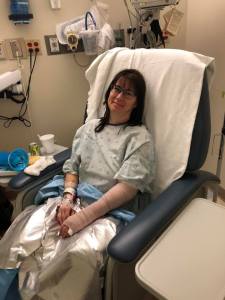
surgery photo

How I started 2019. This smile was before I started puking from anesthesia.

Blaze got better and is fitting into our new family dynamics. I post a lot of pictures of her and my other cats over on Instagram. If you want to follow me there, click here for my profile link.

My car, after $600.00 in repairs, is running all right, but the countdown is on to buy something better.

I published The Years Between Us in May, but that too, is old news. Though, really, it doesn’t feel like old news. It still feels like a brand new book. Not many people have read it, and it has 0 reviews on Amazon. I have it on BookSprout, and if you want to nab a copy for review through that service, click here.

I had a nice vacation last month to Georgia with my sister, and I met up with David Willis, a fellow writer I met on Twitter a couple years ago. I can’t even tell you how much I adore the ocean.

This slideshow requires JavaScript.

Spring is about new beginnings. Summer about shaking off the winter, sleeping in, and picking up more hours at work. Things are going as well as anyone can say their life is going.

Planning my next six months won’t be much of an undertaking. Like Adam Croft said in a New Year’s interview with Joanna Penn, he doesn’t treat the new year any differently. He does what he needs to do to get the things he needs done to write and publish books. And I feel that way about the rest of 2019.

When you are running your own business, being a self-starter and a self-motivator is a must. No one can force you to do the work. All you can do is look in the mirror and ask yourself if you want to sell your books or not. If the answer is yes, well, you can’t sell what you don’t have.

I’ll be finishing my Wedding Party series in the next few months. I’m 18,000 words into book three. As I write, I’ve been exploring covers. Formatting will be a snap with Vellum, but to put links in the back of the books, I’ll have to publish all of them at once so the links will be available, then I’ll need to add the links to the back matter and swap out those files. It’s nothing less than what other successful indies do, but it still sounds like a pain in the ass.

Anyway, anyone keeping track of my progress knows I’m getting a little fed up with this lack-of-sales thing I’ve got going on. It’s not my way to whine–in fact I tend to avoid those who do on a consistent basis. I can’t handle how energy-sucking it can be. I need all the energy I have for myself.

In the next 12 months, you’ll be seeing a lot more progress reports from me. I’ll do this because:

  1. not all of us are making money at this writing thing, and it’s okay to talk about it.
  2. if I find something that works for me, I want to share it because it might work for you, too.
  3. I’m at a point where my backlist should be making me a little money. Focusing on writing and not marketing has been at fault, but this is why I’m experimenting now. I thought All of Nothing would be a game-changer for me, and it has been in some ways. It’s the most-read book I have. But that was luck or better timing as when I used a free day and ran a Freebooksy, All of Nothing was in KU.

Why in this business does it feel like all roads lead to Amazon_ HMMMM.

My personal life probably has a lot to do with how I look at sales. But I’m not different than any other writer using their royalties to buy a better place to live, buy a newer vehicle, or pay down credit card debt.

Anyway, I’m doing what I can and what I can afford to do.

In September, I will be a part of an author panel and luncheon at the Fargo Public Library. I’ll be able to sell my books there too. A lovely woman who connected with me via LinkedIn emailed me the opportunity, and I said yes. While it may not yield any results, it made me remember that local networking can be just as important as networking online.

Something like this makes me excited I’m wide–if, after the luncheon, the library wants to carry my ebooks in their lending catalog, my books are available in the library program through Draft2Digital.

I’ll continue to blog in lieu of a newsletter. I prefer to blog, and every time I publish a new post, I gain new followers, so thank you for reading!

This post needn’t be too long. I’m struggling to write my books and stay afloat like many others out there. Some may have it better than me, some may have it worse. But as I have said many times in the past, we can only work with what we’ve got. Keep your chin up and a smile on your face.

Why in this business does it feel like all roads lead to Amazon_ HMMMM. (1)


Care to share how your 2019 is going? Drop me a comment.

Share a little triumph that will carry you for the rest of the year. ❤


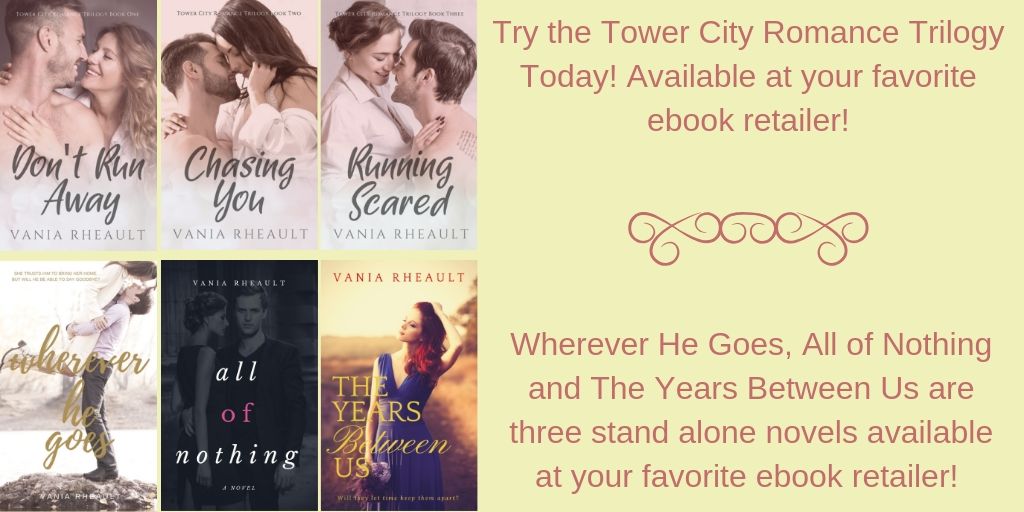
My books are wide! Find them at your favorite ebook retailer.

Don’t Run Away: books2read.com/dont-run-away
Chasing You: books2read.com/Chasing-You
Running Scared: books2read.com/running-scared

Wherever He Goes: books2read.com/whereverhegoes1
All of Nothing: books2read.com/allofnothing1
The Years Between Us: books2read.com/the-years-between-us

Try the Tower City Romance Trilogy Today!

all graphics made with Canva.com

Everyone in this business has a business–Be careful what you pay for!

When I was looking to hire out for my trilogy covers, I became overwhelmed. Very quickly. We all look for products and services that won’t break the bank, but will maintain some level of quality.

Finding that balance is harder than keeping a kid from screaming in a candy store after you tell him no.

Quality that won’t break the bank that is delivered in a reasonable amount of time. Ugh.

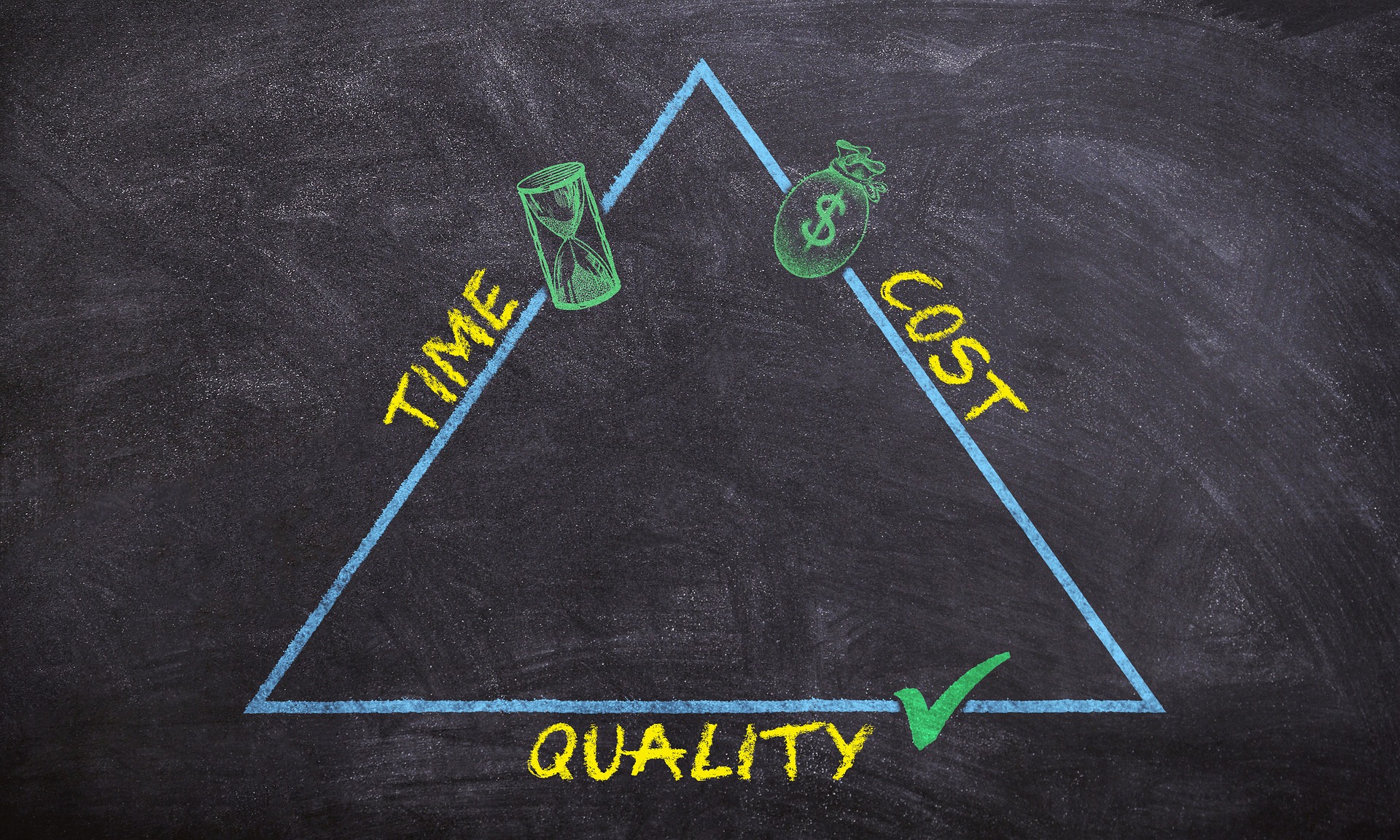
quality cost and time I’m a part of various groups on Facebook, and I’m not going to divulge any groups here. (I don’t want to embarrass anyone, nor do I want to get banned.) Not necessarily to look for products and services, but to keep my ear to the ground and learn tips, tricks, and obscure rules that may never occur to me know in the first place. Like, apparently it’s against Adobe Stock’s terms of service to use their stock photos on romance/erotica book covers. Who would ever think of that? (And who determines if it’s romance vs. women’s fiction?) When I went onto the Adobe Stock site, there was nothing that mentioned photos could not be used in this manner, but it seems to be common knowledge among the Facebook group I’m involved in. After a quick Google search, I did come across this discussion thread, and it appears the questions were answered by an Adobe Stock employee. Luckily, a lot of their pictures of kissing couples, after a quick perusal, seem to be available on other sites.

And that’s the point.

When you hire someone, you are hiring not only their skill, but their knowledge. It’s their job to know the rules, the guidelines, the terms of service.

skills-3371153_1920

Not long ago I was scrolling through my feed, and a post caught my eye. A woman was explaining that she and her husband were starting a premade book cover business. It turns out that they had used free photos from stock sites like Pixabay. I’ve only learned this recently myself that you shouldn’t use free photos on a book cover because the people in the photo may not have signed model release forms. Also, a lot of these photos have name brand items in the photo that cannot be used on a for-commercial-use item, like a book cover. So if you purchased a premade from someone who used a photo that shouldn’t be used–you’ll be the one to get into trouble, not the person who made the cover. I’ve heard other stories like designers on Fiverr who steal images to incorporate them into “original” covers.

Looking for someone I could trust made my head spin and my checkbook cry . . . and I gave up.

The indie publishing rush has opened up the arena for cheats and thieves, scam artists and simply people who think they can do something and charge you for it when their skills are less than adequate to get the job done.

In the case of the woman using free photos for her premades, that’s insulting anyway. Anyone can get their hands on a free photo and shove some text on it using Canva. Part of a designer’s fee should pay for a stock photo that hasn’t been around the world wide web a few thousand times. {Insert crass whore joke here.}

girl reading

We’ve all seen her before. Would you want her on your book’s cover? No matter how pretty her hair is.

But how do you know what you don’t know? Maybe I can help.

There are three major things an indie pays for:

  1. Covers for their books.
    Don’t simply pay and walk away; even if you’re extremely happy with what you’ve been given. Especially if you’re extremely happy and maybe want to make this person part of your publishing team.
    Ask where they purchased the photos. A cover could have quite a few elements that make up the whole. If you are in doubt if any image is okay to use, look at the terms of service and make sure the photos were used in a legitimate manner. It could take some digging but better to know now, than after your book is published. Copies of your paperback may never be recovered.
    Ask where they found the font. There’re plenty of places that offer free-for commercial-use fonts. Your designer could have purchased a font suite, or picked them up singly as the need for them arose. If you’ve hired someone to do your cover, it never hurts to be sure the font is okay to use.
  2. Editing.
    Someone really can’t, well I was going to say someone really can’t cheat you with editing, but of course they can. They can charge you for a shitty job. I’ve been a victim of that. Note to self: a writer does not an editor make.
    Editors are human–even traditionally published books are published with typos. But not all editors are created equal and some will be better than others. Always ask for a sample. Some will do it for free, some will charge you a small fee and then put that sum toward the total if you hire them.
    If they won’t give you a sample, steer clear. After the sample, take a look at it. Does it look like they ran it through Grammarly? Used the Hemingway App, or ProWritingAid? Does it look like an actual human read it and made real-life comments? And do those comments make sense? Did they maybe give you a link of proof to back up their edits? (I do this with my friends, especially if I had to look it up myself to make sure.)
    If this person’s rates are reasonable and you don’t have to wait five years to have your manuscript back, maybe it’s a good idea to get a second opinion on his or her work. Because you’re ultimately building a team to help you publish your future books. And someone who can do the work and charge a fair price is worth their weight in gold.
    You want people around you that you can trust to do a good job. If she gives off a good vibe, and the second opinion of her work pans out, you may have an editor you can trust for many years to come.
  3. Formatting.
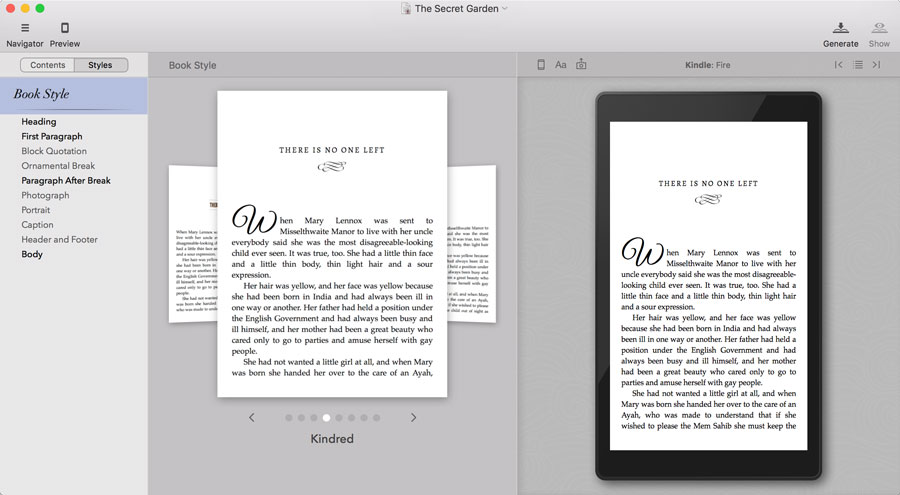
    This one makes me mad. You know why? Because Vellum has made it super easy to format books–both ebook and paperback (they offer large print, too!). It will generate files for Kobo, Nook, iBooks, and a generic epub for places like Draft2Digital and Smashwords. They will also give you a fabulous interior for paperbacks with dropped caps for chapter starts, and options to have the name of the chapter in the headers, which will change with each new chapter title! Trying to do that in Word would make me an alcoholic! There is a small learning curve, and I had to Google a couple of questions that popped up when I did a friend’s book, but after a couple of books, you can get the hang of it pretty quickly and format a book in less than an hour. Especially if you have all of your front and back matter written, and your links are already gathered together into one place.

vellum formatting ad

A picture of what using Vellum looks like. Taken from their site.

And this what drives me INSANE! People are charging for this. I realize that everyone deserves compensation for their time. And if you purchase a Mac so you can use Vellum, you’re investing 1500 dollars right off the top for your business. But holy cow, if you hire someone to format your book and you know they are going to use Vellum, maybe you can network a little bit and find someone else who will do it for trade. Or if you already have a Mac and you know you’ll be producing a lot of books in the future, buy it yourself. You can take a look at it here.
Another way you can format your book is to use Draft2Digital’s formatting tool. You don’t have to publish with them to use the tool, but you do have to create an account, which feels like they are locking you in to use them to publish, but they aren’t. They format both paperback and ebook and there is no charge to use their service.
If you like Word and have a little knowledge about how to make the page numbers and End Section features work for you (the template adds them, but inevitably you’ll have to add chapters), you can try the template KDP Print offers you. This used to be the way to do it when you didn’t want to pay for a formatter, but it’s no longer the best way. Still, if you’re stuck using this, it’s better than not having a paperback option at all. There are scammers I’ve run into on Twitter who charge to do for this for you. I don’t know if they still do being that Draft2Digital offers you a free way, and almost anyone can find someone who uses Vellum because it’s that good. Once I pinned a tweet cautioning against paying someone to copy and paste, and a woman who did indeed charge for this simple formatting thought I was singling her out. I wasn’t, but she retaliated by giving me a poor review on a book of mine on Goodreads. She also charges for website building through Wix, and Wix, I’ve heard, is one of the easiest websites for a beginner to use. My friend Aila has a blog post about it, and she made Wix sound so good, I was tempted to change!

So, just be careful who you pay and for what. If you’re paying someone simply so you don’t have to do the work, that’s one thing, because we’re all willing to pay for convenience in one way or another. But sometimes it’s just easier to learn how to do things on your own.


Everyone from huge vanity presses asking you  to “invest in your book” to the person charging to copy and paste your book into a template provided by KDP Print for free are happy to take your money.

Trust doesn’t come easily to me, and I’d rather learn what I don’t know to stay in control.

There’s nothing wrong with charging for a service, just as there is nothing wrong with paying a fair price for that service.

Just be sure that the price balances the skill and you both walk away happy. Maybe a lovely business relationship will develop.


As a silly side note, I used a photo from Pixabay in a blog post last year. I said in the post I found the photo there, and since Pixabay offers photos free for commercial use, I was safe in using it for my blog. But I found an email in my author email (I rarely check that account) and this gentleman had emailed me about a photo I had used.

Hi there, 

Thanks so much for including one of my pictures on your page. I love seeing my work featured around the web.

This is the image the page is on: https://vaniamargene.com/tag/fear/

And this my image: https://www.flickr.com/photos/158456412@N05/40174218953/
Could you please link to https://www.mytradingskills.com as per my attribution credit request on the image?
Thanks very much and have a great day!
XXXX

Name: XXX
Title: Creative Director
Website: www.XXX.com

Imagine my surprise when I found that in my box. Of course, I changed the attribution in my blog post, just to keep feathers from being ruffled (who knows if he’ll even check), but could you imagine if his email had held any weight? I was scared for a second. So always make sure that the photo is safe to use. And that is your job, whether you hire someone or not.

I always give attribution to the photographer and print the photo ID in my front matter of my books. That causes some extra work for me because I had to swap out my files when I redid the covers for my trilogy. But I feel it’s best. I also credit using Canva.com to make those covers.

Cover all your basis, guys and gals, because we are in BUSINESS, and other people are in business too. Never think for one moment that someone will give you a pass if you make a mistake.

Happy and SAFE publishing!

Publish Safely!

photos taken from Pixabay and/or taken from and made in Canva.


When Friends Turn into Business Partners . . . Sometimes it doesn’t work out

friends to business parnters blog post

I’ve never met a community so full of people willing to help. I’ve met authors who will share anything and everything. How they use ads, how they write blurbs and the resources that taught them how. They share their favorite blogs, podcasts, promo sites, non-fiction books. There are even authors who will share how much they make in sales.

So many authors are helpful and generous. (And if you run into one who won’t share anything, well, keep an eye out. I’ve found those people are users, and you won’t get anything in return for the information you share with them.)

I’ve made a few friends on Twitter. Some are better friends than anyone I’ve met in real life. Some have come and gone. Some needed so much hand-holding it was physically draining to be friends with them. Some acted like their work was the only thing worth discussing, and I’ve faded away because I believe friendship should work both ways.

I’ve had some small successes as an author, and I like to share, too. It’s a horrible feeling to be snubbed when sharing something you’re proud of.

friends or enemies

But there are those who stick around–you feel a kinship, support goes both ways, and you settle into an online routine of touching base, reading each other’s blogs, retweeting news and book cover reveals, and helping with book launches.

Inevitably this will lead to your friendship moving more into a business relationship.

You’ll be asked to edit for someone or do a cover. Maybe she needs a critique partner or he needs a beta reader. It could even be as simple as doing an author interview for a blog.

Friendships can easily blur into business and while the transition feels easy and breezy, if you don’t treat that relationship with the respect it deserves, not only are you risking your business relationship with that person, your friendship will be broken as well.

The culprit of all this is the nonchalance and the cavalier attitude of writers. They aren’t treating their business with the respect it deserves, so they see no harm in treating you the same way.

I treat my books as a business. I always have and I always will. When I do something for you, I do it in a decent amount of time, and to the best of my ability. And that’s always what I’ve done.

business peers

But I haven’t always been treated with the same courtesy.

I paid someone to edit for me, and one day she told me she was editing my book while she was having her hair done at the salon. I guess it was too much to ask that she edit my book in a quiet place where she could focus. I paid another, and she waited months before even starting to edit my book. I have patience–I have two children, three cats, and an ex-husband. I have patience. But when you pay someone for a service, even if she’s a friend, you expect them to treat you with professionalism.

Those people were my friends. Circumstances being what they were at the time . . . they aren’t anymore.

What’s funny is recently one of them asked me for a favor. I guess it wasn’t so funny when I didn’t respond.

Most of the time I can separate friendship from business. (I treat my Twitter account as part of my business, and I rarely unfollow anyone for crappy behavior. Most times the only thing that will earn you an unfollow is if you do it to me first.) And I can stay in touch with someone friendship-wise even if we don’t/didn’t work together so well in the business aspect of things.

I edited for someone, and that didn’t work out like I had expected. We’re still friends because I expressed how I felt, and she apologized. I don’t hold grudges, but just like anyone else, I remember how people treat me.

When you treat someone like crap, you’re burning bridges, plain and simple. The author so quick to help you? They may not be so quick to pull through for you next time.

So what can you do to keep your friendships intact if it moves into business territory?

  1. Set boundaries and expectations.
    Before work exchanges hands, hammer out what expectations are. Does she expect to get paid? Is she doing it for free? Are you sure? Is there an expectation you’re going to help her down the road? Is there a deadline? Can your friend meet it? If she can’t, can you change it? If you’re too rigid with what you need, it’s better for your friend to pass. Which brings me to:
  2. Don’t be angry if your friend can’t meet your needs.
    A lot of indie business is trade and favors. Money doesn’t always exchange hands. That’s common when indies operate in the red–especially when just starting out. You may feel desperate because if this particular friend can’t help you, who will? People who know what they are doing, and willing to do it for free or on the cheap are few. If you need her, it’s YOUR job to bend, not hers. If you can’t, understand where she’s coming from, take a deep breath, and move on. While writing is a business, it will always come in secondary to children, jobs that pay the bills, and maybe even an evening of self-care if she’s had a bad day. If your needs are more important than that, hire out and pay for the priority. Your friend helping you isn’t a right–it’s a privilege.
  3. Keep communication open.
    Maybe you think she’s not working fast enough. Or you haven’t heard from her in a couple of days. Or worse yet, you haven’t heard from her, yet she’s posting on social media. It’s easy to go from simmering to boiling if you expect her to be working on your project but she’s posting a new blog post every day. It’s easy to get annoyed–trust me, I know. Maybe she already had them scheduled, and she IS working on your stuff. You won’t know unless you ask. If you need constant reassurance like daily updates, request it before you give her the project. That way you can remind her you asked.
  4. Keep social media in mind.
    When I edited for my friend, she never stopped posting her publication date. She was building buzz–I get that. But her manuscript needed work, and the more she posted and the more I edited, the angrier I became until eventually I felt like I was doing it for nothing. So remember–you are friends and she can see what you tweet, post on your Facebook author page, blog, and anything snarky by way of a bitchy meme on Instagram. But the same goes for her. If she’s tweeting she’s editing a pile of garbage, or the person she’s editing for is dumber than a box of rocks . . . you may need to rethink if you want her working on your project. A good friend doesn’t necessarily translate into a good business partner. (I would rethink my friendship with anyone who would put something like that out into the world, anyway.)
  5. Know when to quit.
    Ideally, you want to work things out before this step. If you can’t, the next best thing is to back out before your business relationship destroys your friendship. Be clear why you don’t want to work with him anymore. Try not to let hurt feelings muddy the water. He may have hurt your feelings, but that is only as a bi-product of unprofessional behavior that may not have been intentional. And don’t flip out if he has to back out on you. Maybe it has nothing to do with professionalism. His private issues are none of your business unless he wants to divulge them. That depends on how good of friends you are. But if it is due to not being able to work together, learn from the experience and move on. Having a truthful “We make better friends than business partners” talk can salvage a friendship. Don’t be defensive.

Not all friendships cum business relationships are going to fail. I’ve heard of several people who have worked together for years. There relationships are based on respect and a mutual admiration of each other’s work.

It’s up to you how much you can take–and it’s up to your friend what her limits are if you’re the one behaving badly. Publishing is scary and stressful, but alienating people who want to help you makes it more so. And it won’t do your career any good if someone labels you as difficult to work with. You may be passed up for opportunities and you won’t even realize it.

stressed out

If you’re the one slighted, do your best to move on. If that means you’re no longer talking to that person, so be it. Publishing IS stressful, writing, emotionally draining. You need to protect your mental health, too.

Friendships can come and go, but it’s difficult to repair a business connection.

Don’t burn your bridges. You never know when you’ll have to circle back.


To be clear, I didn’t mention any of my experiences to throw my friends and acquaintances under the bus. I mentioned them to demonstrate I know how it feels to be treated in a manner that is hurtful and unprofessional. I have other examples of people using my generous nature against me–to the point of a friend of mine saying I should stop helping people.

I couldn’t do that, though. For every one person who ignores what I offer, five people appreciate any information I can give them. Be it my favorite stock photo sites, or a reminder that KDP Print offers templates to format the interiors of paperback books.

For every one person who ignores my edits, another person’s writing is brought to the next level.

I’ll probably never stop helping people. I enjoy it too much. But neither am I a doormat, and if you treat me poorly, that’s on you, not me.

If you treat anyone without respect and kindness, you need to look inside yourself and figure out why. But the secret is no one has to be friends with you, no one has to do business with you, and one day you may very well find yourself alone.

being helpful

If you enjoy helping and being part of the writing community, don’t let one bad apple ruin the whole barrel. There are lots of people out there who need help–and one day you’ll find yourself in a group of friends you can trust to help you in return.

That’s what the writing community is all about.

photos taken from pixabay or canva. graphics made in canva.com

jared and leah for end of blog posts